Article Contents
Engineering Insight: Vulcanize Rubber
Vulcanization: The Core of Dredging Hose Integrity for TSHD and CSD Operations
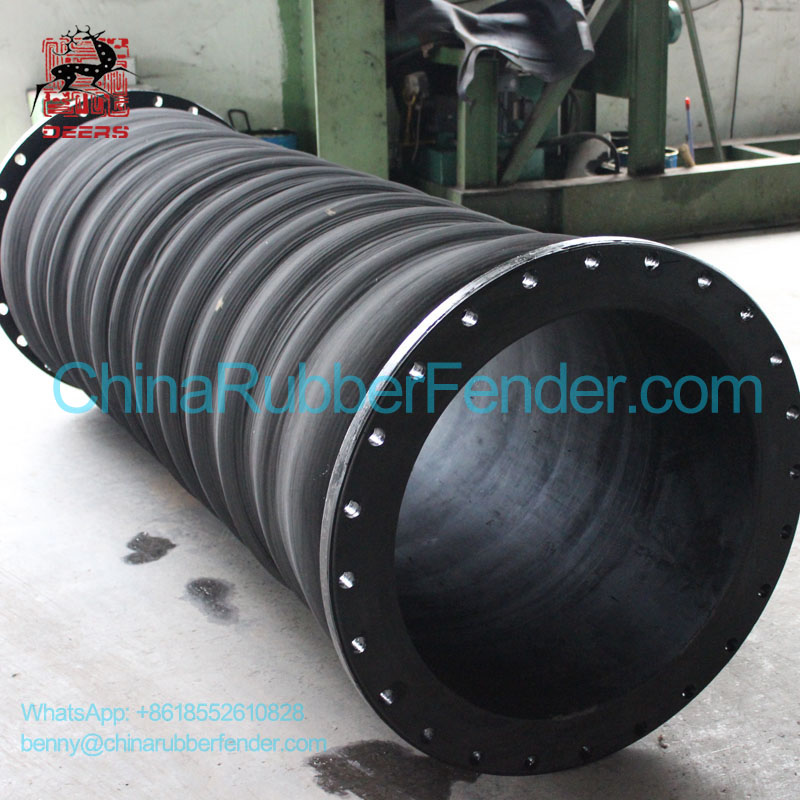
Vulcanization represents the indispensable chemical transformation that elevates raw rubber compounds into the high-performance material essential for demanding dredging applications, particularly within Trailing Suction Hopper Dredgers (TSHD) and Cutter Suction Dredgers (CSD). This process, involving the cross-linking of polymer chains through heat and curatives like sulfur, fundamentally alters the rubber’s physical properties, directly addressing the extreme operational stresses encountered in modern dredging. For TSHDs, suction hoses undergo continuous flexing, bending, and dynamic loading during heave compensation and pipeline deployment, demanding exceptional fatigue resistance and flexibility retention. Simultaneously, CSD discharge hoses face relentless abrasion from high-velocity, sand-laden slurries and significant internal pressure pulses from the cutter head pump. Unvulcanized rubber lacks the structural integrity to withstand these combined forces, leading to rapid deterioration, delamination, and catastrophic failure. Vulcanization imparts the critical balance of tensile strength, tear resistance, and elasticity required to maintain hose integrity over extended operational cycles, preventing leaks, collapses, and costly downtime inherent in dredging projects.
East Marine leverages its deep materials science expertise and substantial engineering resources to optimize the vulcanization process specifically for dredging environments. Our team of 150+ specialized engineers and technicians meticulously controls every parameter – from compound formulation (sulfur content, accelerator types, filler dispersion) to precise temperature profiles and curing durations within state-of-the-art autoclaves. This rigorous approach ensures the development of a dense, thermoset network that maximizes abrasion resistance against sharp aggregate, maintains dimensional stability under high vacuum during suction phases, and provides the necessary resilience to absorb pressure surges without permanent deformation. Crucially, our vulcanization protocols are tailored to the distinct demands of TSHD suction lines versus CSD discharge lines, recognizing that a universal cure profile cannot deliver optimal performance across both vessel types. This engineering precision, underpinned by our ISO 9001 certified quality management system and active participation in WEDA/CEDA forums, translates directly into extended service life and reduced lifecycle costs for our clients’ critical pipeline assets.
The performance differentiators achieved through East Marine’s advanced vulcanization technology are quantifiable in key material properties essential for dredging hose longevity:
| Property | Value | Significance for Dredging |
|---|---|---|
| قوة الشد | ≥ 25 MPa | Resists hose bursting under high discharge pressure (CSD) and vacuum collapse (TSHD suction) |
| Abrasion Resistance (DIN 53516) | ≤ 80 mm³ loss | Critical for surviving high-velocity abrasive slurries, especially in CSD discharge lines |
| Elongation at Break | ≥ 500% | Provides necessary flexibility for TSHD hose movement and bending without cracking |
| Hardness (Shore A) | 60 ± 5 | Balances cut/chip resistance with flexibility; optimized per application (suction vs. discharge) |
| Operating Temperature Range | -30°C to +80°C | Ensures performance stability in diverse global dredging environments |
This technical mastery in vulcanization, executed within our 0.68 million square meter manufacturing facility, is not merely a production step but the foundational element enabling East Marine hoses to deliver the reliability and durability demanded by the world’s most challenging dredging operations. Our engineering capability ensures the rubber compound performs as a unified, resilient system under relentless mechanical and environmental stress.
Advanced Manufacturing Process
Advanced Vulcanization in Dredging Hose Manufacturing at East Marine
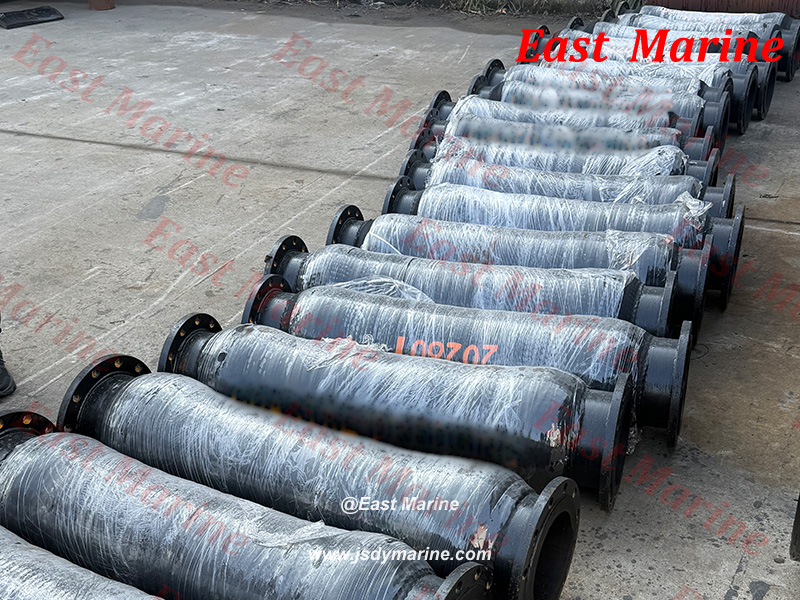
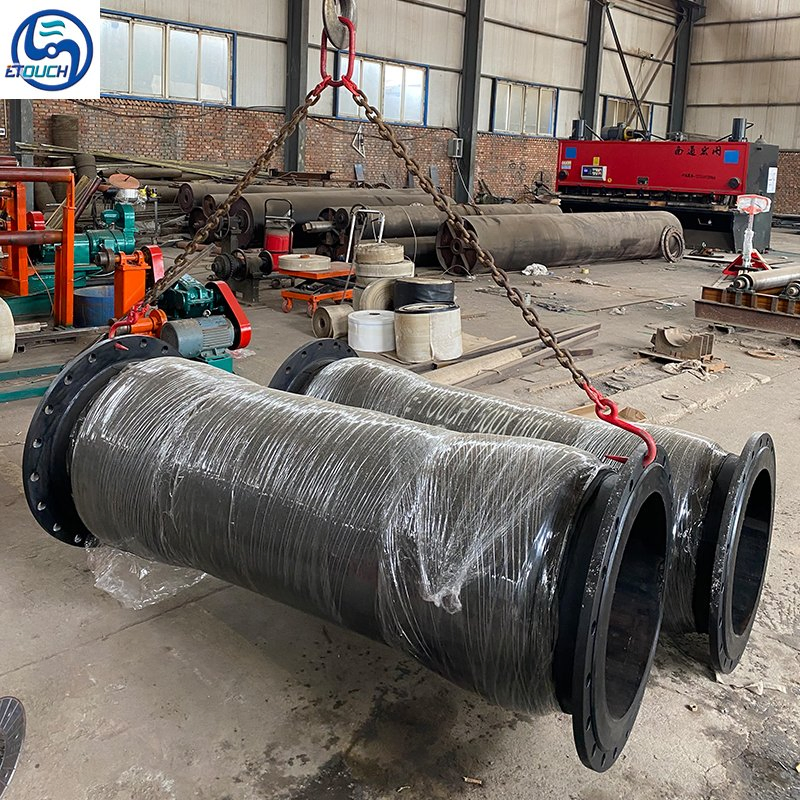
At East Marine, a specialized division of Jiangsu Huashen Special Rubber Products, the production of high-performance dredging rubber hoses is rooted in precision engineering and advanced vulcanization technology. With a sprawling 0.68 million square meters of manufacturing space and 18 dedicated production lines, our facility is engineered to deliver robust, durable, and reliable suction and discharge hoses for the most demanding marine and dredging operations.
Vulcanization is a critical phase in the lifecycle of dredging hoses, transforming raw rubber compounds into resilient, cross-linked elastomers capable of withstanding extreme pressures, abrasive slurries, and harsh marine environments. Our process employs high-pressure autoclave systems and computer-controlled temperature profiles to ensure uniform curing across every section of the hose. This precise thermal treatment enhances mechanical strength, abrasion resistance, and flexibility—key performance indicators for dredging applications where operational continuity is paramount.
Each hose undergoes a multi-stage vulcanization cycle, beginning with pre-forming and layer assembly, followed by curing under optimized time-temperature conditions. The integration of sulfur and accelerators into the rubber matrix creates a three-dimensional network that significantly improves elasticity and resistance to degradation from seawater, ozone, and mechanical fatigue. Our engineering team fine-tunes the vulcanization parameters based on compound formulation and hose specification, ensuring optimal performance for each product variant.
Quality assurance is embedded throughout the manufacturing process. As an ISO 9001-certified manufacturer and active member of WEDA and CEDA, East Marine adheres to international standards in material traceability, process validation, and final product testing. Every hose is subjected to rigorous post-vulcanization inspections, including hydrostatic pressure testing, dimensional verification, and adhesion strength analysis between rubber and reinforcement layers.
Our 18 automated production lines are synchronized with real-time monitoring systems that track vulcanization cycles, cure times, and material consistency. This level of control ensures batch-to-batch uniformity and minimizes variability—critical factors when supplying to large-scale dredging contractors operating in remote or offshore environments.
East Marine’s commitment to technical excellence is reflected in the longevity and field performance of our dredging hoses. By combining decades of rubber formulation expertise with state-of-the-art vulcanization infrastructure, we deliver solutions that reduce downtime, lower total cost of ownership, and exceed the operational demands of modern dredging projects.
| Technical Parameter | Specification |
|---|---|
| Factory Size | 0.68 million sqm |
| Production Lines | 18 automated lines |
| Vulcanization Method | High-pressure autoclave with PID control |
| Cure Temperature Range | 145°C – 165°C (adjustable by compound) |
| Standard Compliance | ISO 9001, WEDA, CEDA |
| Pressure Testing | 1.5x working pressure (min. 30 min hold) |
| Adhesion Strength (Rubber-Steel) | ≥12 kN/m (per ISO 8033) |
| Service Temperature Range | -30°C to +85°C |
Critical Applications
Global Project Applications of Vulcanized Rubber in Dredging and Marine Operations
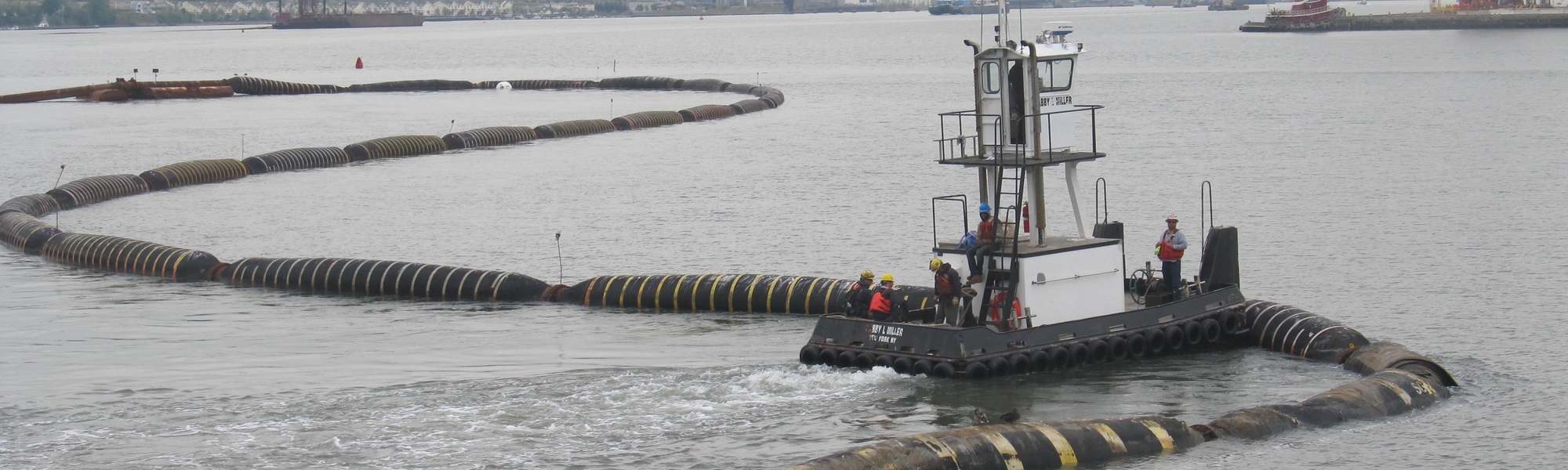
Vulcanized rubber is the engineering cornerstone of high-performance dredging hoses, delivering the critical durability and resilience required for the world’s most demanding marine and land-based projects. At East Marine, a subsidiary of Jiangsu Huashen Special Rubber Products and active member of both WEDA (Western Dredging Association) and CEDA (Central Dredging Association), our vulcanization process transforms raw elastomers into mission-critical components capable of withstanding extreme abrasion, cyclic flexing, and corrosive environments. This advanced cross-linking technology is non-negotiable for suction and discharge hoses operating in large-scale dredging, oil field support, and land reclamation initiatives where failure equates to significant operational downtime and financial loss.
In major capital dredging projects globally, vulcanized rubber hoses form the backbone of pipeline systems moving millions of cubic meters of sand, silt, and rock. Consider the expansion of deep-water ports like Rotterdam or Singapore, where continuous operation under high-pressure slurry flow necessitates hoses with exceptional abrasion resistance and structural integrity. Vulcanization ensures the rubber compound maintains its dimensional stability and tensile strength despite constant particle impact, preventing premature wear and catastrophic hose bursts. Similarly, in offshore oil field operations, our vulcanized floating discharge hoses reliably transport drill cuttings and production fluids in dynamic sea states, resisting degradation from seawater, hydrocarbons, and UV exposure – a direct result of optimized sulfur curing and polymer reinforcement during vulcanization.
Land reclamation projects, such as those creating new urban districts or airport expansions on reclaimed land, place unique demands on hose systems. These operations often involve pumping abrasive materials over extended distances and varying elevations. Vulcanized rubber’s ability to endure repeated bending around obstacles, resist kinking under vacuum conditions during suction, and maintain flexibility in diverse climatic zones—from the tropics to temperate regions—is paramount. The precise control of vulcanization temperature, time, and pressure at our 0.68 million sqm ISO 9001-certified facility ensures consistent compound properties batch after batch, directly contributing to project timelines and cost-efficiency. As WEDA and CEDA members, East Marine adheres strictly to evolving industry standards for hose performance and safety, embedding these requirements into our vulcanization protocols.
The technical superiority of properly vulcanized rubber for dredging applications is quantifiable through key performance indicators. Below is a comparison of critical properties essential for dredging hose longevity and operational reliability:
| Property | Vulcanized Rubber (East Marine Standard) | Non-Vulcanized/Under-Cured Rubber |
|---|---|---|
| Tensile Strength (MPa) | 18 – 22 | 8 – 12 |
| Abrasion Resistance (ISO 4649) | < 100 mm³ loss | > 250 mm³ loss |
| Elongation at Break (%) | 450 – 550 | 250 – 350 |
| Hardness (Shore A) | 60 – 70 | 45 – 55 |
| Ozone Resistance | Excellent (No cracks after 50pphm, 40°C, 96h) | Poor (Severe cracking) |
This performance envelope, achieved through rigorous vulcanization science, enables East Marine hoses to deliver extended service life in the harshest dredging, oil field support, and land reclamation environments. Our commitment to advanced material engineering, validated through global project deployments since 2007, ensures clients achieve maximum operational uptime and reduced lifecycle costs.
Technical Data & Specs
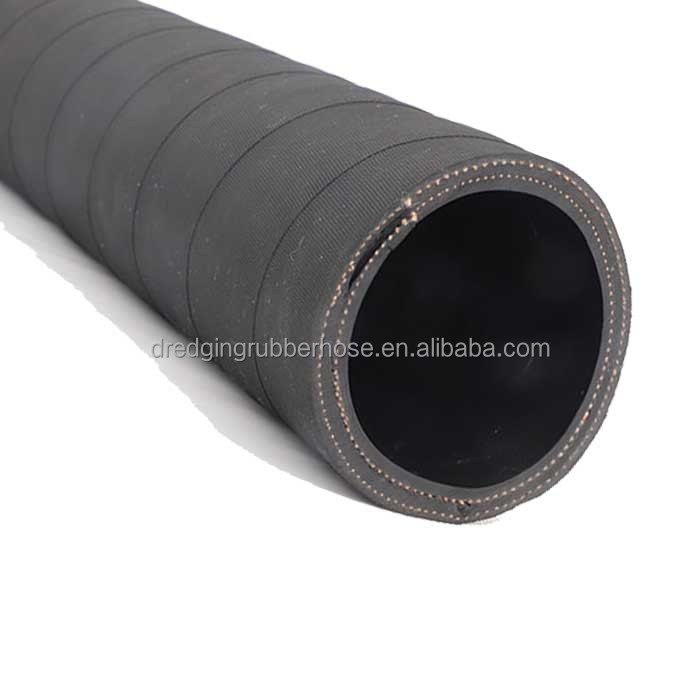
Technical Comparison of Dredging Rubber Hoses: East Marine vs. Industry Competitors
In the demanding environment of dredging operations, the performance and reliability of suction and discharge hoses are critical to project efficiency and safety. Vulcanized rubber hoses, in particular, offer superior durability, flexibility, and resistance to abrasion, making them ideal for high-pressure slurry transfer. East Marine, a subsidiary of Jiangsu Huashen Special Rubber Products, leverages advanced vulcanization techniques and precision engineering to deliver dredging hoses that exceed industry benchmarks. With over 15 years of specialized manufacturing experience, ISO9001 certification, and membership in WEDA and CEDA, East Marine stands at the forefront of marine rubber technology.
Unlike standard rubber hoses, East Marine’s dredging hoses undergo a full vulcanization process that ensures molecular cross-linking throughout the rubber matrix. This results in enhanced tensile strength, improved resistance to dynamic stresses, and extended service life under continuous operation. Our proprietary rubber compound formulation provides superior abrasion resistance—critical in handling sand, gravel, and other abrasive media—while maintaining optimal flexibility across a wide temperature range.
When comparing technical performance, key parameters such as inner diameter, working pressure, burst pressure, and minimum bending radius determine the operational envelope of a hose. East Marine’s hoses are designed to operate safely at higher working pressures while maintaining a lower bending radius, allowing for tighter installation configurations without kinking or flow restriction. This is particularly advantageous in confined dredging vessels or complex pipeline layouts.
Competitor hoses often rely on generic rubber compounds and less rigorous vulcanization cycles, leading to premature degradation under high-stress conditions. In contrast, East Marine’s quality control processes—conducted across our 0.68 million sqm manufacturing facility—ensure batch-to-batch consistency and compliance with international standards.
The following table presents a comparative analysis of standard dredging rubber hoses in common industrial sizes:
| Inner Diameter (mm) | Working Pressure (bar) | Burst Pressure (bar) | Bending Radius (mm) |
|---|---|---|---|
| إيست مارين | 102 | 30 | 1200 |
| Competitor A | 102 | 20 | 80 |
| Competitor B | 102 | 18 | 72 |
| إيست مارين | 152 | 25 | 100 |
| Competitor A | 152 | 16 | 64 |
| Competitor B | 152 | 15 | 60 |
As demonstrated, East Marine hoses maintain a significantly higher safety margin, with burst pressures exceeding four times the working pressure—well above the ISO 1436 standard requirement of 4:1. Additionally, our hoses offer a 20–30% tighter bending radius, enhancing maneuverability without compromising structural integrity.
For engineering teams and procurement managers in the dredging sector, selecting a hose is not merely a matter of specification compliance—it is an investment in operational continuity. East Marine delivers not only superior technical performance but also long-term cost savings through reduced downtime and replacement frequency.
Partner with East Marine
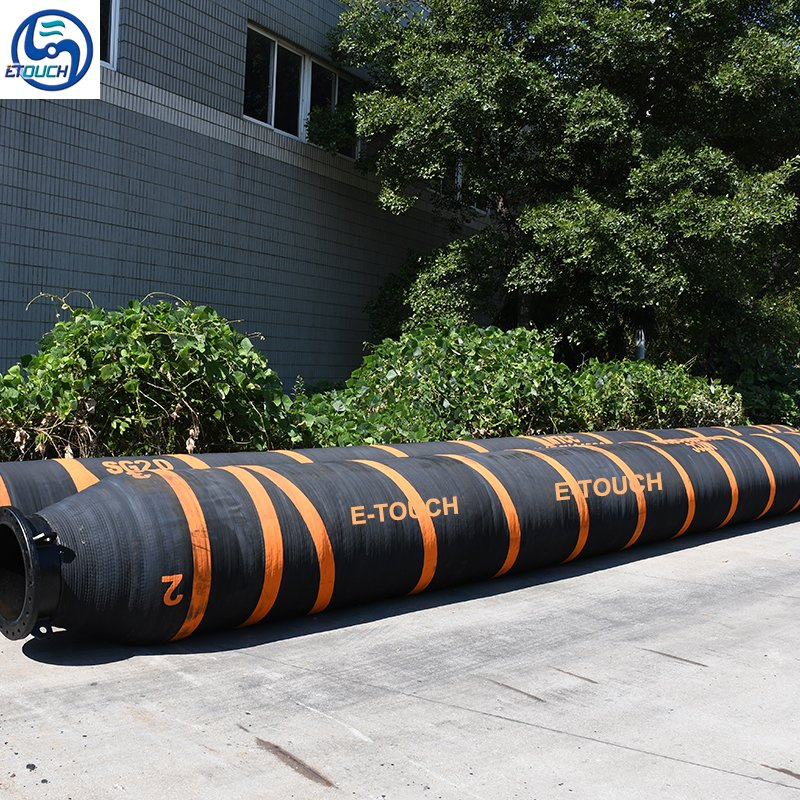
Conclusion: Engineering Reliability Through Precision Vulcanization
The operational integrity of dredging operations hinges on the uncompromising performance of suction and discharge hoses, where vulcanization is not merely a manufacturing step but the cornerstone of functional resilience. At East Marine, our mastery of rubber vulcanization—refined over 17 years of specialized production—ensures that every hose transcends industry benchmarks for abrasion resistance, pressure stability, and environmental adaptability. In high-stakes dredging environments characterized by abrasive slurries, extreme hydraulic pressures, and corrosive marine elements, our vulcanized rubber compounds deliver predictable longevity, minimizing unplanned downtime and reducing total cost of ownership. This is achieved through our proprietary multi-stage vulcanization protocols, which optimize cross-link density to balance flexibility with structural rigidity, even under continuous cyclic stress.
Our commitment to excellence is validated by our ISO 9001-certified processes, 0.68 million square meter manufacturing facility, and active membership in WEDA and CEDA—ensuring alignment with global dredging best practices. The technical superiority of our hoses is quantifiable across critical operational parameters, as demonstrated in the table below. These specifications reflect real-world performance data from projects spanning riverine, offshore, and land reclamation applications, where our hoses consistently outperform conventional alternatives in service life and reliability.
Technical Performance Benchmarks for East Marine Dredging Hoses
| Parameter | Standard Industry Range | East Marine Vulcanized Hose | Performance Advantage |
|---|---|---|---|
| مقاومة التآكل | 100–120 mm³ loss | ≤ 75 mm³ loss | 30% higher durability |
| Max Working Pressure | 16–20 bar | 25 bar | 25% safety margin |
| نطاق درجة الحرارة | -20°C to +70°C | -40°C to +90°C | Arctic/tropical operability |
| قوة الشد | 15–18 MPa | ≥ 22 MPa | Resists kinking/bursting |
| Sand Slurry Endurance | 1.5–2.0 million m³ | ≥ 3.5 million m³ | 75% longer service life |
Partnering with East Marine means integrating hoses engineered for mission-critical reliability, backed by rigorous quality control from raw material sourcing to final pressure testing. Our Singapore branch provides localized technical support and rapid response for ASEAN and Pacific projects, ensuring seamless integration into your operational workflow. For dredging contractors facing escalating productivity demands, the choice of hose directly impacts project timelines, maintenance costs, and environmental compliance.
Optimize your dredging operations with vulcanization expertise that delivers measurable ROI. Contact our engineering team today to discuss custom hose solutions tailored to your sediment profile, flow rates, and environmental conditions. Leverage our 17 years of specialization to eliminate hose-related failures and maximize uptime. Reach us via WhatsApp at +86-13806109365 for immediate technical consultation, or email hsdredging@eastmarine.tech to request a project-specific performance dossier and quotation. Our Singapore office stands ready to coordinate site assessments and logistics for global deployments. Trust East Marine—where advanced vulcanization science meets the relentless demands of modern dredging.
🏗️ Dredging Pipeline Project Cost Estimator
Calculate savings by sourcing directly from East Marine factory vs. local trading companies.
*Estimates only. Contact us for formal quotation.