Article Contents
Engineering Insight: Sts Shipping Meaning
Technical Significance of STS Shipping Meaning in Offshore Transfer Operations
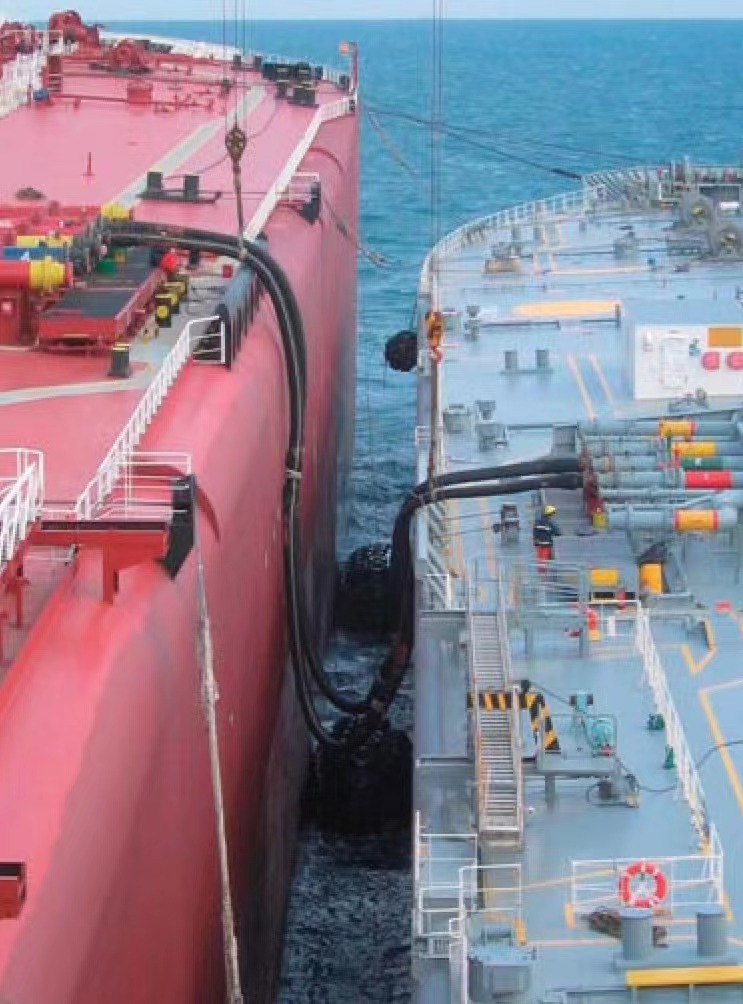
Ship-to-Ship (STS) transfer represents a critical operational methodology within the global maritime energy and logistics infrastructure, defined by the direct transfer of liquid cargo, primarily crude oil or petroleum products, between two vessels positioned alongside each other at sea. Understanding the precise technical meaning of STS shipping is paramount for ensuring operational safety, environmental compliance, and efficiency in scenarios where traditional port infrastructure is unavailable, congested, or economically impractical. This encompasses transfers involving Floating Production Storage and Offloading (FPSO) units discharging to shuttle tankers, lightering operations to reduce draft for port entry, and transfers at Single Point Moorings (SPM) or offshore terminals. The dynamic marine environment introduces significant complexities: vessel motion due to waves, wind, and current creates constant relative movement between the hulls, imposing severe cyclic stresses, tension, and bending loads on the transfer system. Failure to adequately manage these forces can lead to hose disconnection, structural damage, or catastrophic spillage, with severe environmental and financial consequences.
The technical execution of STS operations is governed by stringent international frameworks, notably the Oil Companies International Marine Forum (OCIMF) Guidelines and the Guidelines for Marine Petroleum Hose Operations and Maintenance (GMPHOM). These mandates dictate rigorous design, testing, inspection, and operational protocols for the marine transfer hoses forming the critical link. Hoses must exhibit exceptional flexibility to accommodate vessel movement without kinking, coupled with high tensile strength to withstand dynamic loads and internal pressure. Resistance to the specific cargo’s chemical composition, extreme temperature variations, and external abrasion from vessel structures or seabed contact during deployment is non-negotiable. Material selection and composite construction are therefore engineered at a fundamental level to meet these demanding criteria. Precision in hose selection, handling procedures, and monitoring during transfer is not merely recommended; it is a regulatory and operational imperative dictated by the inherent risks of the STS meaning.
East Marine, leveraging its 150+ strong engineering and manufacturing workforce and deep expertise as a WEDA/CEDA member, specializes in delivering STS transfer hose solutions engineered explicitly for this high-stakes environment. Our ISO 9001-certified processes, operating from a 0.68 million square meter facility established in 2007, integrate advanced material science with rigorous finite element analysis to model hose behavior under complex STS load scenarios. This ensures our products exceed OCIMF and GMPHOM requirements, providing operators with the reliability and safety margins essential for successful FPSO offloading, SPM transfers, and open-water lightering. Our engineering capability translates directly into hoses that maintain integrity through millions of flex cycles, minimizing downtime and environmental risk.
The following table outlines key technical specifications for East Marine’s STS transfer hose systems designed for demanding offshore applications:
| Parameter | Typical Range/Value | Compliance Standard |
|---|---|---|
| Internal Diameter | 6″ to 24″ (150mm to 600mm) | OCIMF MEG 4.03 |
| Presión de trabajo | 15 to 25 bar (217-362 psi) | GMPHOM Section 4 |
| Proof Pressure | 1.5x Working Pressure | ISO 13623 |
| Radio de curvatura | 8x to 12x Hose Diameter | OCIMF MEG 4.03 Annex B |
| Temperatura | -30°C to +85°C | API 15S |
| Cover Material | Abrasion-Resistant NBR/CR | GMPHOM Section 5 |
| Refuerzo | Multi-spiral High-Tensile Steel Wire | ISO 1402 |
East Marine’s commitment to engineering excellence ensures that the technical meaning of STS shipping – a complex interplay of marine dynamics, fluid transfer, and stringent safety – is met with hose solutions that deliver operational continuity and environmental stewardship in the world’s most challenging offshore transfer operations.
Advanced Manufacturing Process
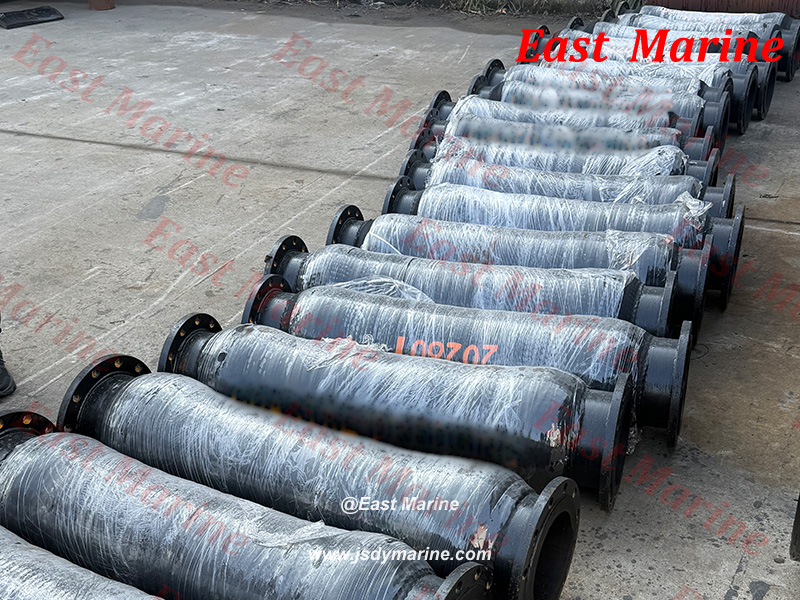
Advanced Manufacturing and Vulcanization of Offshore Marine Hoses at East Marine
At East Marine, a trusted subsidiary of Jiangsu Huashen Special Rubber Products, the production of OCIMF- and GMPHOM-compliant offshore marine hoses is executed with precision engineering and rigorous adherence to international standards. With a state-of-the-art 0.68M sqm manufacturing facility and 18 dedicated production lines, our operations are designed to deliver high-performance flexible solutions for the global STS (Ship-to-Ship) transfer industry. Central to our manufacturing excellence is the vulcanization process—a critical phase that ensures structural integrity, chemical resistance, and long-term durability in harsh marine environments.
Vulcanization at East Marine involves the application of heat, pressure, and time to cross-link rubber polymers, transforming raw elastomeric compounds into robust, resilient hose materials. Our advanced autoclave systems enable precise control over temperature (ranging from 140°C to 180°C) and pressure (up to 1.6 MPa), ensuring uniform curing across all hose layers. This process enhances tensile strength, abrasion resistance, and flexibility—key performance indicators for hoses used in dynamic offshore transfer operations.
Each hose assembly undergoes a multi-stage production workflow beginning with material inspection, followed by inner tube extrusion, reinforcement layer winding (using high-tensile textile or steel wire), and cover extrusion. The pre-formed hose is then placed in molds and subjected to a programmed vulcanization cycle tailored to its specific construction and application requirements. Our 18 synchronized production lines allow for high-volume output while maintaining batch consistency and traceability.
Quality assurance is embedded throughout the manufacturing process. East Marine operates under a certified ISO 9001 quality management system, ensuring every stage—from raw material sourcing to final inspection—is documented and auditable. In-process checks include dimensional verification, reinforcement layer alignment, and visual defect detection. Post-vulcanization, hoses undergo hydrostatic pressure testing at 1.5 times the working pressure, as well as vacuum, leakage, and electrical continuity tests to meet OCIMF guidelines.
Our commitment to quality is further validated through third-party inspections and routine performance audits by classification societies. The integration of automated monitoring systems across production lines enables real-time data collection, supporting continuous improvement and compliance with GMPHOM standards.
East Marine’s manufacturing capabilities reflect our leadership in the offshore hose sector. By combining large-scale infrastructure, advanced vulcanization technology, and a disciplined quality framework, we deliver hoses that ensure safe, efficient, and reliable STS operations across global maritime markets.
| Parameter | Specification |
|---|---|
| Factory Size | 0.68 Million sqm |
| Production Lines | 18 Dedicated Lines |
| Vulcanization Temperature | 140°C – 180°C |
| Curing Pressure | Up to 1.6 MPa |
| Quality Standard | ISO 9001:2015 |
| Compliance | OCIMF, GMPHOM, CEDR, WEDA Member |
| Test Pressure | 1.5 x Maximum Working Pressure |
| Electrical Continuity Test | ≤ 10 ohms (per OCIMF requirements) |
Critical Applications

Understanding STS Operations in Critical Marine Infrastructure Projects
Ship-to-Ship (STS) transfer operations represent a cornerstone of offshore logistics, enabling the safe and efficient transfer of liquids, bulk materials, and equipment between vessels at sea without port infrastructure. While often associated with oil and gas, STS methodologies extend significantly into specialized marine engineering sectors where East Marine’s engineered rubber solutions ensure operational integrity. As a CEDA and WEDA member since 2007, we leverage decades of dredging industry collaboration to address the unique demands of STS applications across global projects. Our ISO9001-certified manufacturing facility—spanning 0.68 million square meters—produces hoses and pipelines rigorously validated for OCIMF and GMPHOM compliance, directly supporting STS-driven efficiency in high-stakes environments.
In large-scale dredging projects, STS transfers facilitate continuous operations by enabling fuel, potable water, and equipment exchanges between support vessels and dredgers in open water. This eliminates costly port calls, maintaining project timelines for channel deepening or coastal maintenance. East Marine’s floating discharge hoses, designed for dynamic wave conditions, withstand repeated STS coupling cycles while resisting abrasion from sediment-laden flows. Our CEDA/WEDA membership ensures alignment with evolving industry best practices for environmental protection and operational safety during these transfers. Similarly, offshore oil field developments rely on STS for crude oil lightering, where production vessels offload to tankers in deepwater locations. Here, our marine loading arms and articulated hoses—certified to OCIMF MEG4 standards—provide fail-safe connections under high pressure and variable weather, preventing hydrocarbon leaks during transfer.
Land reclamation initiatives further exemplify STS versatility, utilizing vessel-to-vessel transfers to move massive volumes of sand or slurry between hopper dredgers and spreader barges. East Marine’s ultra-high-wear-resistant rubber pipelines maintain structural integrity when conveying abrasive materials at flow rates exceeding 15,000 m³/h, directly contributing to project velocity in megacities like Singapore or Dubai. The precision engineering required for these applications demands hoses capable of withstanding cyclic bending, UV exposure, and chemical degradation—a challenge met through our proprietary rubber compounds and multi-spiral wire reinforcement.
Technical specifications for STS-critical marine hoses reflect stringent operational requirements:
| Parameter | Specification | Compliance Standard |
|---|---|---|
| Presión de trabajo | 10–25 bar (145–363 psi) | OCIMF MEG4, GMPHOM |
| Temperatura | -40°C to +85°C (-40°F to +185°F) | ISO 13628-5 |
| Cover Material | Abrasion-resistant synthetic rubber | API 16C, EN 14420-1 |
| Radio de curvatura | 12× nominal diameter | CEDA Dredging Guidelines |
| Certification | DNV-GL Type Approved, CE Marked | ISO 9001 |
East Marine’s integration of STS operational expertise with advanced material science ensures reliability across dredging, energy, and coastal development sectors. By adhering to OCIMF protocols and leveraging WEDA/CEDA insights, we deliver hoses that minimize downtime and environmental risk in the world’s most demanding marine transfers. Our 17-year heritage in specialized rubber engineering—backed by a 0.68M sqm production ecosystem—positions us as a strategic partner for projects where STS efficiency defines success.
Technical Data & Specs
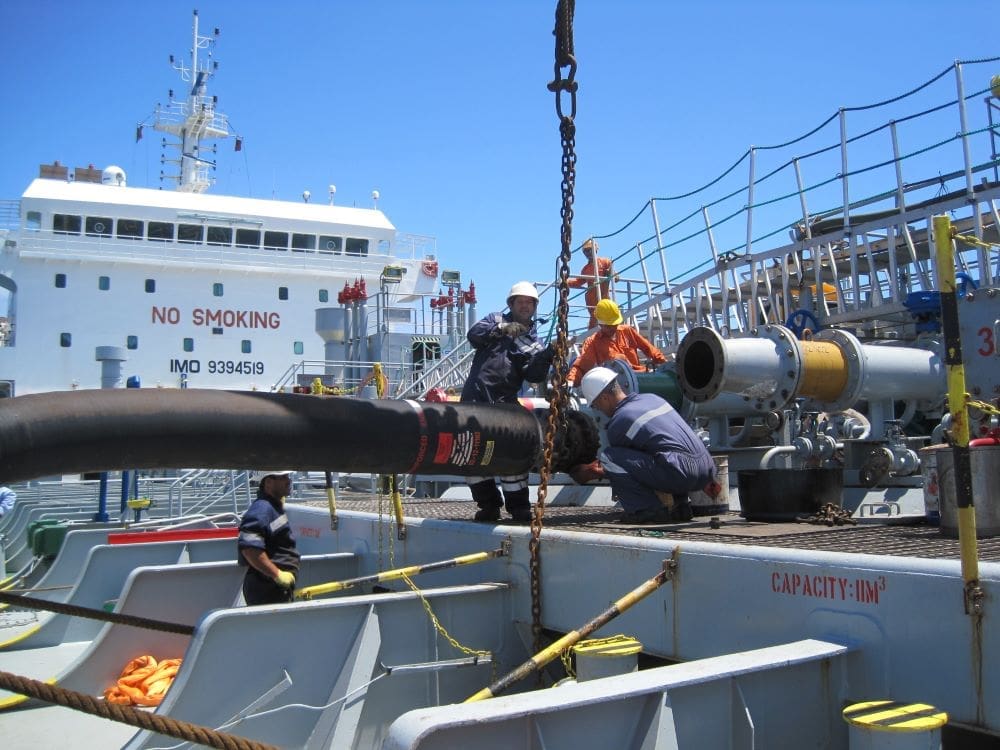
Technical Comparison of Offshore Marine Hoses: East Marine vs. Industry Competitors
In the offshore oil and gas industry, the integrity and performance of marine transfer hoses are critical to operational safety and efficiency. Offshore marine hoses used in STS (Ship-to-Ship) transfer operations must comply with stringent standards such as OCIMF (Oil Companies International Marine Forum) and GMPHOM (General Marine Products Hoses Organization Manual). These standards govern design, testing, and operational parameters to ensure reliability under extreme marine conditions. As a leading manufacturer under the East Marine brand—part of Jiangsu Huashen Special Rubber Products—we produce hoses engineered to exceed these global benchmarks. Our 0.68 million sqm manufacturing facility, ISO9001 certification, and active membership in WEDA and CEDA underscore our commitment to quality and innovation in marine rubber solutions.
When evaluating offshore marine hoses, four key technical parameters are essential: inner diameter, working pressure, burst pressure, and minimum bending radius. These factors directly influence flow capacity, safety margins, and ease of deployment in dynamic offshore environments. East Marine’s hoses are designed with high-tensile reinforcement layers, advanced elastomeric lining, and corrosion-resistant covers to deliver superior performance over conventional products.
The following comparison highlights the technical superiority of East Marine’s standard 16-inch offshore marine hose against typical offerings from general market competitors. All values are based on standard product lines compliant with OCIMF and GMPHOM requirements for STS operations.
| Parameter | East Marine (16″) | Industry Average (Competitors) |
|---|---|---|
| Inner Diameter | 406 mm | 406 mm |
| Presión de trabajo | 25 bar (362 psi) | 16 bar (232 psi) |
| Burst Pressure | ≥ 100 bar (≥1450 psi) | 64 bar (928 psi) |
| Minimum Bending Radius | 1,800 mm | 2,400 mm |
East Marine’s hoses achieve a significantly higher working pressure of 25 bar, exceeding the industry standard of 16 bar. This allows for greater flow efficiency and reduced downtime during high-volume STS transfers. The burst pressure rating of at least 100 bar provides a 4:1 safety factor, surpassing the minimum 4:1 requirement and enhancing operational safety. Additionally, our optimized structural design enables a reduced minimum bending radius of 1,800 mm—25% tighter than the typical 2,400 mm—facilitating easier handling, storage, and deployment on congested vessel decks.
These performance advantages stem from our proprietary textile-reinforced carcass technology and precision vulcanization processes, developed through 17 years of specialized R&D since our founding in 2007. Unlike many competitors who outsource materials, East Marine controls the entire production chain, ensuring consistent quality and traceability.
For operators engaged in STS shipping, selecting a hose that exceeds baseline standards is not merely a technical decision—it is a strategic investment in safety, uptime, and regulatory compliance. East Marine delivers unmatched performance in offshore marine hose systems, setting the benchmark for the global energy transfer sector.
Partner with East Marine
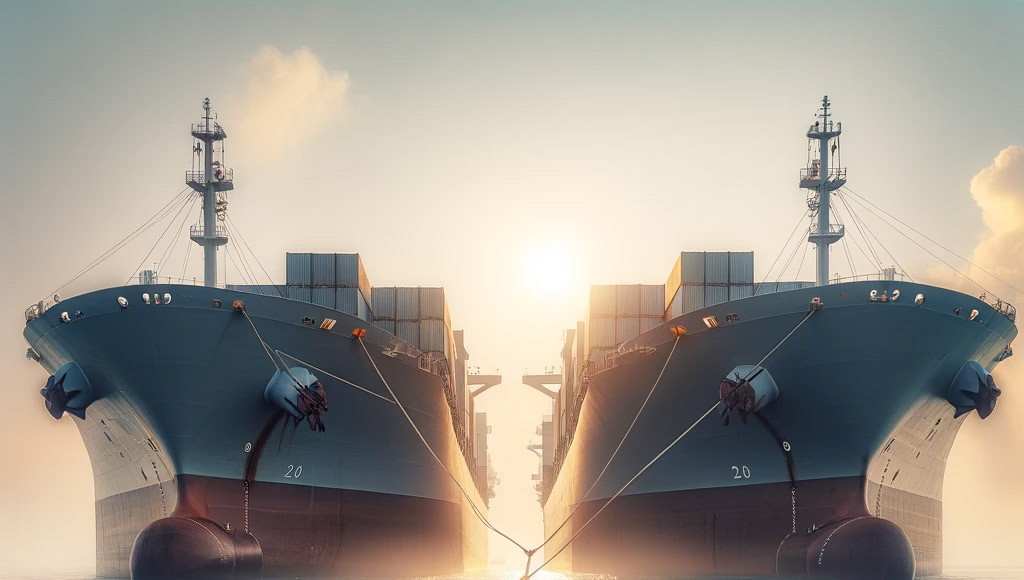
Conclusion: Engineering Safety and Efficiency in Ship-to-Ship Transfer Operations
Understanding STS shipping meaning extends beyond operational logistics; it demands rigorous adherence to engineering standards that safeguard personnel, assets, and the marine environment during critical hydrocarbon transfers. At East Marine, our OCIMF and GMPHOM-compliant offshore marine hoses represent the culmination of 17 years of specialized R&D focused exclusively on mitigating the unique risks inherent in ship-to-ship operations. Our solutions integrate advanced elastomer formulations and multi-spiral wire reinforcement to withstand dynamic hose movement, extreme pressure fluctuations, and aggressive media exposure—factors directly tied to STS incident prevention. With ISO 9001-certified manufacturing across our 680,000 sqm facility and active participation in WEDA/CEDA technical committees, we ensure every hose assembly exceeds industry benchmarks for fatigue resistance and leak integrity under real-world STS conditions.
The technical parameters below underscore our commitment to engineering precision for STS applications. These specifications reflect not only compliance but proactive risk mitigation through material science innovation:
| Product Type | Key Parameters | Compliance Standard |
|---|---|---|
| Floating Transfer Hose | 10-50 bar working pressure, -30°C to +85°C range | OCIMF 2023, GMPHOM |
| Submerged Suction Hose | 8-40 bar working pressure, 4-layer wire reinforcement | ISO 13623, API 17K |
| Cryogenic LNG Transfer Hose | 25 bar working pressure, -162°C capability | ISO 21874, EN 1473 |
Deploying hoses that meet these exacting criteria is non-negotiable for minimizing downtime and environmental liability during STS operations. East Marine’s engineering team collaborates directly with terminal operators and vessel charterers to validate hose selection against site-specific variables—from wave height differentials to cargo viscosity—ensuring seamless integration into your transfer protocols. Our Singapore branch provides localized technical support for Asia-Pacific operations, enabling rapid response to site surveys, emergency replacements, or compliance audits without logistical delays.
Partner with a supplier whose expertise translates directly to operational continuity. Contact East Marine today to receive a customized STS hose system assessment backed by 17 years of marine transfer engineering. Our technical specialists will analyze your transfer parameters—including vessel motion envelopes, cargo composition, and environmental conditions—to deliver a solution that eliminates compatibility risks and optimizes transfer efficiency. Initiate the process via WhatsApp at +86-13806109365 for immediate engineering consultation, or email hsdredging@eastmarine.tech with your operational specifications. For clients in Southeast Asia, leverage our Singapore regional office for on-ground technical validation and inventory management. Do not compromise on the critical interface between vessels; trust East Marine’s engineered integrity to secure your STS operations from connection to disconnection. Your commitment to safety deserves a partner with demonstrable mastery in marine transfer fluid dynamics—reach out now to fortify your transfer integrity.
🏗️ Dredging Pipeline Project Cost Estimator
Calculate savings by sourcing directly from East Marine factory vs. local trading companies.
*Estimates only. Contact us for formal quotation.