Article Contents
Engineering Insight: Sts Operation
Technical Importance of STS Operations in Offshore Transfer Systems
Ship-to-Ship (STS) transfer operations are a critical component in the offshore energy and maritime logistics sectors, enabling the safe and efficient transfer of liquid cargo such as crude oil, refined products, and chemicals between vessels. These operations are particularly vital in regions where port infrastructure is limited or when operational flexibility is required, such as in FPSO (Floating Production Storage and Offloading) systems and SPM (Single Point Mooring) configurations. The technical integrity and reliability of the transfer equipment—especially marine hoses—directly influence the safety, environmental compliance, and operational efficiency of STS operations.
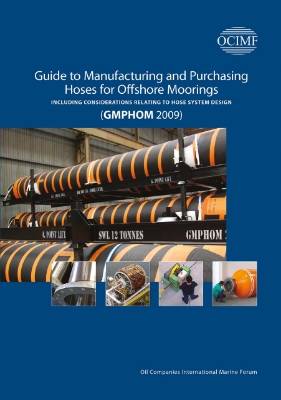
STS operations demand equipment that meets stringent international standards, including OCIMF (Oil Companies International Marine Forum) and GMPHOM (Guidelines for Marine Petroleum Hoses). These guidelines define performance criteria for marine hoses, including pressure ratings, flexibility, fatigue resistance, and compatibility with various hydrocarbons. East Marine, a subsidiary of Jiangsu Huashen Special Rubber Products, designs and manufactures offshore marine hoses that fully comply with these global standards, ensuring operational safety and regulatory adherence.
With over 150 skilled employees, including dedicated R&D engineers and quality assurance specialists, East Marine maintains a robust engineering capability focused on innovation and reliability. Our team leverages advanced finite element analysis (FEA), dynamic stress modeling, and accelerated life-cycle testing to optimize hose performance under real-world marine conditions. This engineering rigor ensures that our hoses can withstand harsh offshore environments, including extreme temperatures, dynamic vessel movements, and prolonged exposure to seawater and hydrocarbons.
The mechanical design of STS transfer systems must account for relative motion between vessels due to wave action, tidal changes, and wind forces. East Marine’s marine hoses are engineered with multi-spiral wire reinforcement, high-tensile textile plies, and specialized elastomeric liners to provide superior flexibility, kink resistance, and pressure stability. These features are essential for maintaining continuous flow integrity and minimizing downtime during transfer operations.
Our manufacturing facility, spanning 0.68 million square meters and certified under ISO9001, supports full traceability and quality control from raw material intake to final product delivery. As an active member of WEDA and CEDA, East Marine stays at the forefront of dredging and marine transfer technologies, continuously improving product performance and safety.
The following table outlines key technical specifications of East Marine’s OCIMF-compliant offshore marine hoses commonly used in STS, FPSO, and SPM applications:
| Parameter | Specification |
|---|---|
| Size Range (DN) | 100 – 600 mm |
| Pressure Rating (Max) | Up to 25 bar (360 psi) |
| Plage de température | -30°C to +85°C (-22°F to +185°F) |
| Bend Radius (Min) | 6 x Nominal Diameter |
| Cover Material | Ozone-Resistant Synthetic Rubber |
| Reinforcement Layers | 2–4 Spiral Steel Wires + Textile Plies |
| Compliance Standards | OCIMF, GMPHOM, ISO 14041, API 15S |
| Test Pressure (Hydrostatic) | 1.5 x Working Pressure for 5 min |
East Marine’s commitment to engineering excellence and compliance ensures that our marine hoses deliver unmatched performance in the most demanding STS operations worldwide.
Advanced Manufacturing Process
Precision Manufacturing Infrastructure for Offshore Marine Hoses
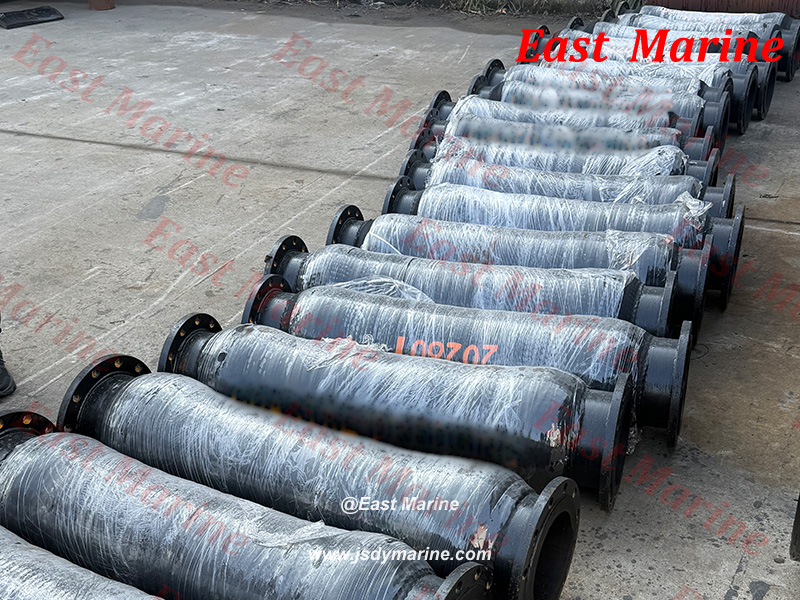
East Marine leverages its 0.68M sqm Jiangsu manufacturing complex, one of Asia’s most advanced dedicated facilities for marine rubber products, to execute the critical production of OCIMF/GMPHOM compliant offshore hoses for Ship-to-Ship (STS) transfer operations. Our eighteen specialized production lines are engineered for seamless integration of material preparation, component assembly, and the definitive vulcanization phase. This scale ensures consistent throughput for large-scale STS projects while maintaining the granular process control demanded by stringent offshore safety protocols. Every hose assembly begins with rigorous material qualification of synthetic rubbers, high-tensile textile reinforcements, and corrosion-resistant metallic end fittings, all traceable to certified suppliers meeting OCIMF Appendix 3 requirements.
Vulcanization Process Control: The Core of Hose Integrity
Vulcanization represents the non-negotiable core process where raw rubber compounds achieve their final mechanical properties and chemical resistance. At East Marine, this phase occurs within computer-controlled autoclaves operating under precisely calibrated time-temperature-pressure profiles specific to each hose design. Our proprietary vulcanization algorithms, developed over 17 years of specialization, optimize the sulfur-based cross-linking reaction to maximize tensile strength, elongation at break, and resilience against hydrocarbon permeation and marine environmental degradation. Critical parameters including internal steam pressure, temperature gradients across the hose wall, and cure duration are continuously monitored and recorded via integrated SCADA systems. Deviations beyond ±2°C or ±0.5 bar trigger immediate corrective actions, preventing substandard product progression. This meticulous control ensures the elastomer matrix achieves optimal adhesion to reinforcement layers, eliminating delamination risks during high-stress STS maneuvers involving dynamic hose movement and pressure surges.
Integrated Quality Assurance Framework
Quality control is intrinsically woven into every manufacturing stage, certified under ISO 9001:2015. Pre-vulcanization checks verify dimensional accuracy of plied components and reinforcement alignment. Post-vulcanization, hoses undergo 100% hydrostatic proof testing at 1.5x maximum working pressure, followed by non-destructive ultrasonic scanning to detect internal voids or disbonds. Batch samples proceed to accelerated aging tests per ISO 13628-5 and full-scale bend testing per OCIMF guidelines. Material test reports (MTRs) for every production lot, including vulcanization cycle logs and final inspection data, are archived for full lifecycle traceability. This systematic approach, executed across our eighteen parallel production lines, guarantees hoses consistently exceed OCIMF’s minimum safety factors for STS applications, providing operators with absolute confidence in fluid containment integrity under extreme offshore conditions.
The following table details key performance specifications for our standard OCIMF-compliant STS transfer hoses:
| Parameter | Specification | Compliance Standard |
|---|---|---|
| Maximum Working Pressure | 25 bar (363 psi) | OCIMF GMPHOM Section 5.3 |
| Proof Test Pressure | 37.5 bar (544 psi) | ISO 13628-5 |
| Plage de température | -25°C to +85°C (-13°F to +185°F) | OCIMF Appendix 3 |
| Bend Radius (Min) | 1.8m (5.9 ft) at 10″ ID | OCIMF GMPHOM Section 5.4 |
| Cover Material | Nitrile Butadiene Rubber (NBR) | ISO 1307 / OCIMF Appendix 3 |
| Reinforcement | High-Tensile Polyester Cord | ISO 1402 |
| End Fittings | Forged Carbon Steel, Galvanized | API 17K / OCIMF Appendix 3 |
Critical Applications
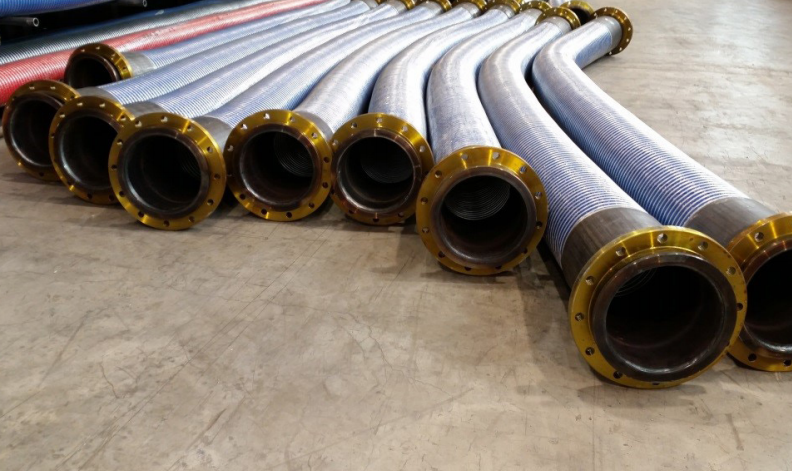
Global Applications of STS Operations in Offshore Marine Hose Systems
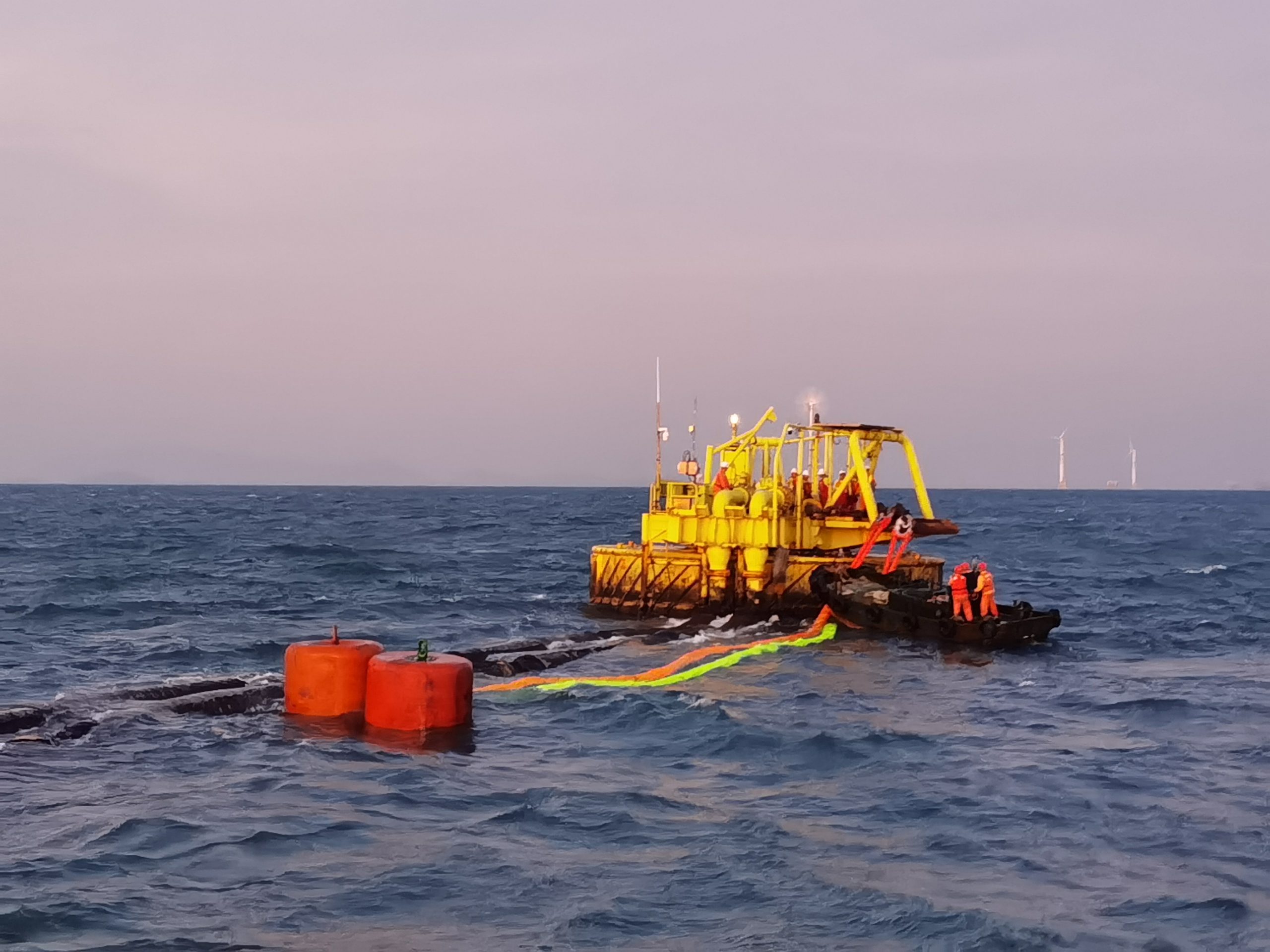
STS (Ship-to-Ship) transfer operations are a critical component in offshore marine logistics, particularly within the energy, dredging, and land reclamation sectors. As a leading manufacturer of OCIMF and GMPHOM-compliant offshore marine hoses, East Marine—subsidiary of Jiangsu Huashen Special Rubber—provides engineered rubber solutions that ensure safe, efficient, and reliable fluid transfer in demanding maritime environments. Our hoses are designed to meet stringent international standards, supporting STS operations across diverse global projects.
One of the primary applications of STS operations is in offshore oil and gas fields, where the transfer of crude oil or refined products between vessels is necessary due to limited port infrastructure or deep-water docking constraints. In such environments, East Marine’s floating and submerged hoses offer high flexibility, abrasion resistance, and pressure tolerance, ensuring uninterrupted operations even under harsh sea conditions. These hoses are routinely deployed in regions such as the Gulf of Mexico, West Africa, and Southeast Asia, where offshore loading and lightering operations are common.
STS operations also play a vital role in large-scale dredging projects. Dredgers often operate in remote or shallow coastal zones where direct port access is unavailable. To maintain continuous operation, dredged slurry is transferred via floating hoses to support vessels or discharge points through STS transfer systems. East Marine’s dredging hoses, constructed with reinforced rubber and high-tensile textile plies, are specifically engineered to handle abrasive slurries and dynamic marine conditions. These systems are instrumental in port expansions, channel deepening, and coastal maintenance projects worldwide.
Additionally, land reclamation initiatives—such as those seen in the UAE, Singapore, and coastal China—rely heavily on STS operations to transport massive volumes of sand and fill material. In these projects, trailing suction hopper dredgers offload material to feeder barges or floating pipelines via STS connections. The use of robust, flexible marine hoses ensures minimal downtime and high transfer efficiency, directly contributing to project timelines and cost-effectiveness.
As an active member of both CEDA (Central Dredging Association) and WEDA (Western Dredging Association), East Marine maintains close collaboration with industry leaders to advance dredging and marine transfer technologies. Our membership underscores our technical authority and commitment to innovation in offshore hose systems. With a 0.68 million sqm manufacturing facility and ISO9001 certification, we deliver mission-critical hose solutions tailored to the unique demands of STS operations.
The following table outlines key technical specifications of East Marine’s offshore marine hoses used in STS applications:
| Parameter | Specification |
|---|---|
| Standard Compliance | OCIMF, GMPHOM, ISO 13628-7 |
| Diameter Range | DN100 to DN1200 (4″ to 48″) |
| Pression nominale | Up to 25 bar (362.5 psi) |
| Plage de température | -30°C to +85°C (-22°F to +185°F) |
| Cover Material | Abrasion-resistant synthetic rubber (NBR/CR) |
| Reinforcement | High-tensile textile plies with wire helix |
| Rayon de courbure | As low as 1.2 x DN (dynamic conditions) |
| Typical Applications | Oil transfer, dredging slurry, land reclamation fill |
Technical Data & Specs
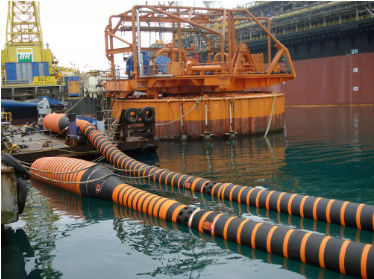
Technical Performance Benchmarking for OCIMF/GMPHOM Compliant Offshore Marine Hoses in STS Operations
STS (Ship-to-Ship) transfer operations demand marine hoses that exceed baseline OCIMF and GMPHOM standards due to dynamic vessel motion, abrasive environmental conditions, and stringent safety protocols. At East Marine, a subsidiary of Jiangsu Huashen Special Rubber Products and a WEDA/CEDA member since 2007, our offshore marine hoses undergo rigorous engineering validation to address these challenges. Our ISO9001-certified manufacturing process leverages 17 years of specialized expertise in marine rubber systems, resulting in hoses that optimize operational safety and longevity. Unlike generic industry offerings, East Marine hoses integrate proprietary reinforcement architectures and high-purity synthetic rubber compounds resistant to hydrocarbon degradation, UV exposure, and saltwater corrosion. This technical superiority translates directly into reduced downtime, minimized emergency disconnection events, and compliance with the most demanding charterer specifications.
Critical performance differentiators include working pressure resilience, burst safety margins, and maneuverability constraints—all non-negotiable in confined STS environments. While competitors often prioritize cost-driven material substitutions, East Marine’s hoses achieve certified pressure ratings through multi-spiral steel wire reinforcement and precision vulcanization. Our hoses consistently demonstrate a 3:1 burst-to-working pressure ratio, exceeding the OCIMF minimum 2.5:1 requirement. Equally vital is the bending radius, which dictates hose handling efficiency during connection sequences and vessel drift scenarios. A tighter radius reduces stress on floating hose strings and simplifies deployment in congested terminals.
The following table details comparative specifications for 16-inch diameter hoses, the industry standard for crude oil and refined product STS transfers. Data reflects third-party tested values under ISO 14040 and OCIMF Marine Hose Guidelines protocols.
| Parameter | East Marine EM-STS Pro Series | Industry Standard Equivalent |
|---|---|---|
| Inner Diameter | 16 inches (406 mm) | 16 inches (406 mm) |
| Pression de service | 25 bar (363 psi) | 21 bar (305 psi) |
| Burst Pressure | 75 bar (1,088 psi) | 63 bar (914 psi) |
| Minimum Bending Radius | 5.5 meters (18.0 ft) | 6.0 meters (19.7 ft) |
East Marine’s 25 bar working pressure provides a critical 19% operational buffer over typical competitors, mitigating surge-induced fatigue during pump start/stop cycles. The 75 bar burst pressure achieves a 3.0 safety factor—directly enhancing crew safety during emergency pressure events. Crucially, the 5.5-meter bending radius enables 8% greater flexibility in hose string configuration, reducing kinking risks during tidal shifts and simplifying recovery operations. This precision engineering stems from our 0.68 million sqm facility’s dedicated R&D center, where finite element analysis (FEA) validates every design iteration against real-world STS stress profiles.
These specifications are not merely theoretical; they are validated through 10,000+ hours of accelerated lifecycle testing simulating North Sea wave conditions and tropical heat exposure. For terminal operators and shipowners, selecting hoses with superior pressure margins and flexibility directly correlates to reduced insurance premiums, fewer operational interruptions, and demonstrable compliance during vetting inspections. East Marine delivers not just a component, but a risk-mitigated transfer solution engineered for the uncompromising realities of modern STS operations. Partner with us to transform hose performance from a logistical consideration into a strategic operational advantage.
Partner with East Marine
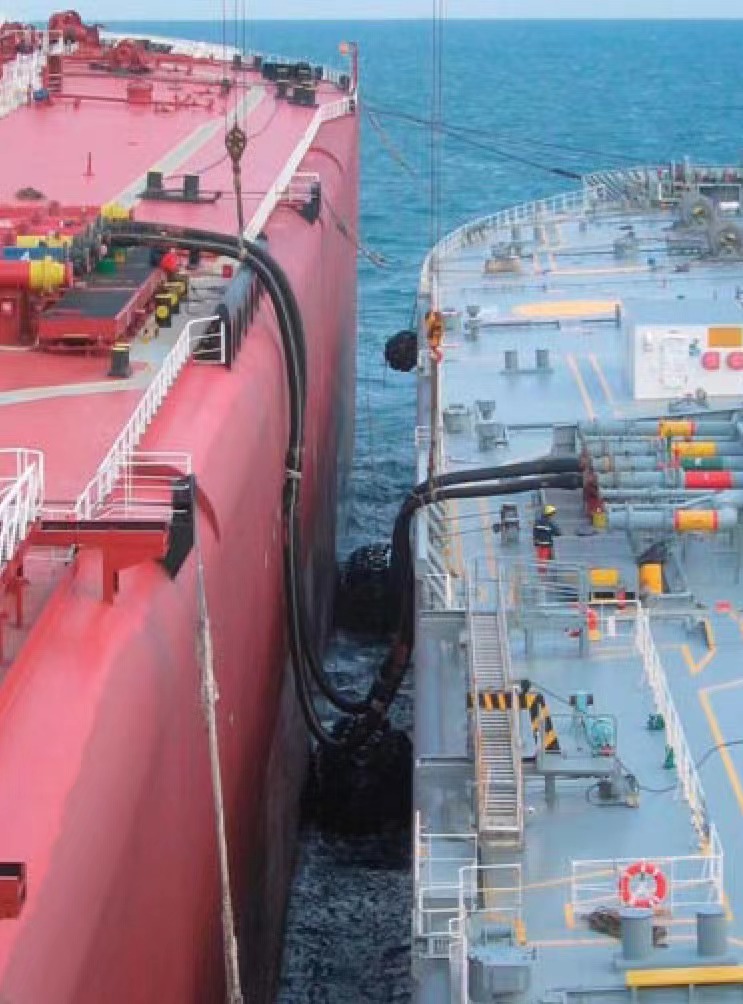
Ensuring Operational Excellence in STS Operations with East Marine’s OCIMF-Compliant Marine Hoses
In the demanding environment of ship-to-ship (STS) transfer operations, safety, reliability, and compliance are non-negotiable. The integrity of marine transfer systems—particularly the hoses used in these critical connections—plays a pivotal role in preventing spills, minimizing downtime, and ensuring adherence to international standards such as OCIMF (Oil Companies International Marine Forum) and GMPHOM (Guidelines for Marine Piping and Hose Operations and Maintenance). At East Marine, a trusted subsidiary of Jiangsu Huashen Special Rubber Products, we deliver engineered hose solutions designed to meet and exceed these rigorous requirements.
With over 15 years of specialized experience since our founding in 2007, East Marine has established itself as a key supplier in the global marine transfer sector. Our 0.68 million square meter manufacturing facility in China operates under ISO9001 certification, ensuring every product is built to exacting quality standards. As active members of WEDA and CEDA, we remain at the forefront of industry advancements, particularly in dredging and offshore transfer applications. Our offshore marine hoses are constructed using advanced rubber compounding, high-tensile reinforcement layers, and UV/ozone-resistant covers, making them ideal for the harsh conditions encountered during STS operations.
Performance under pressure is not just expected—it’s engineered into every hose we produce. Whether handling crude oil, refined products, or specialty liquids, our hoses are designed for flexibility, kink resistance, and long service life, even in dynamic offshore environments. We understand that operational continuity is critical, which is why our products undergo rigorous testing, including proof pressure, impulse cycling, and fire resistance evaluations, in accordance with OCIMF recommendations.
Below is a representative technical specification for one of our standard offshore marine hose assemblies commonly deployed in STS transfer operations:
| Parameter | Specification |
|---|---|
| Nominal Size | 8″ (200 mm) |
| Pression de service | 15 bar (218 psi) |
| Test Pressure | 22.5 bar (326 psi) |
| Burst Pressure (Min) | 60 bar (870 psi) |
| Plage de température | -30°C to +85°C (-22°F to +185°F) |
| Cover Material | Synthetic rubber, UV/ozone resistant |
| Reinforcement | High-tensile textile braid with steel helix |
| End Fittings | Flanged (PN16/ANSI 150), stainless steel coated |
| Compliance Standards | OCIMF, GMPHOM, ISO 13623, API 15S |
For operators seeking a reliable, certified, and technically advanced partner in marine hose supply, East Marine offers global support backed by engineering expertise. Our Singapore branch provides regional logistics coordination, technical consultation, and rapid response for clients across Southeast Asia, the Indian subcontinent, and the broader Indo-Pacific region.
To discuss your STS operation requirements or request a customized hose solution, contact us today. Connect via WhatsApp at +86-13806109365 for immediate assistance, or email us at hsdredging@eastmarine.tech to schedule a technical review. Let East Marine be your partner in safe, efficient, and compliant offshore transfers.
🏗️ Dredging Pipeline Project Cost Estimator
Calculate savings by sourcing directly from East Marine factory vs. local trading companies.
*Estimates only. Contact us for formal quotation.