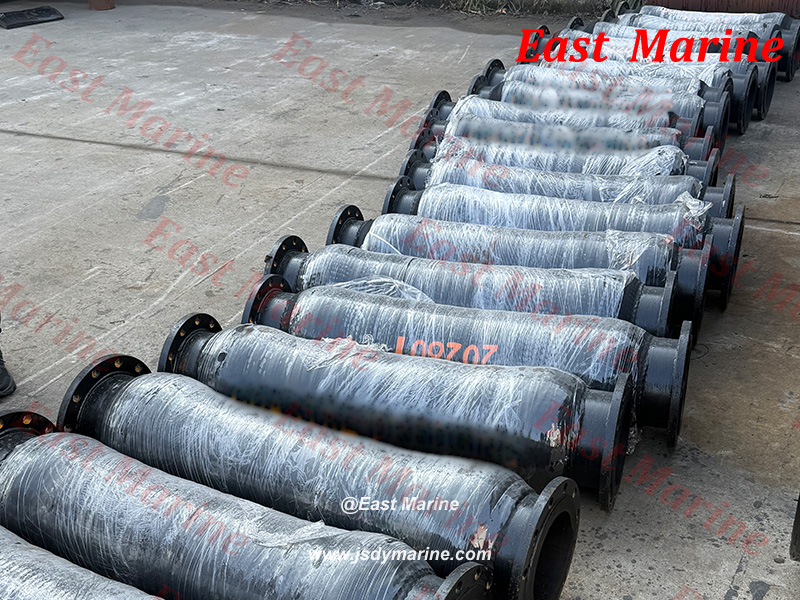
To standardize the scientific selection and rational layout of discharge pipelines in cutter suction dredger operations, ensuring construction efficiency and cost-effectiveness, the following requirements are established.
I. General Requirements
-
Plan Development: The Project Manager Department shall prepare a detailed pipeline layout plan based on the engineering contract, site conditions, and construction needs. The plan must include:
-
Natural conditions of the construction site.
-
Overall deployment of reclamation/dredging operations.
-
Pipeline demand and layout schedule.
-
Vessels to be deployed and their mobilization dates.
-
Construction schedule.
-
-
Plan Optimization: The principle of “dredge far, pump near; dredge near, pump far” shall be implemented, positioning the pipeline discharge point away from the drainage outlet. Through meticulous management, pipeline demand for each phase should be analyzed to minimize total pipeline usage, ensure balanced utilization, reduce relocation costs, and improve equipment efficiency.
-
Pipeline Configuration Principle: The preferred configuration is “floating pipeline + submerged pipeline + land pipeline.” If restricted by environmental, hydrological, meteorological, or other interference factors, the configuration may be adjusted to “floating pipeline + land pipeline.”
II. Discharge Pipeline Classification and Scrapping Standards
Discharge pipelines are categorized into four classes based on technical condition. The specific classification and scrapping standards are shown in the table below:
Note: Specific scrapping conditions are detailed in the ten criteria listed in Section 2 of the original text.
III. Discharge Pipeline Selection
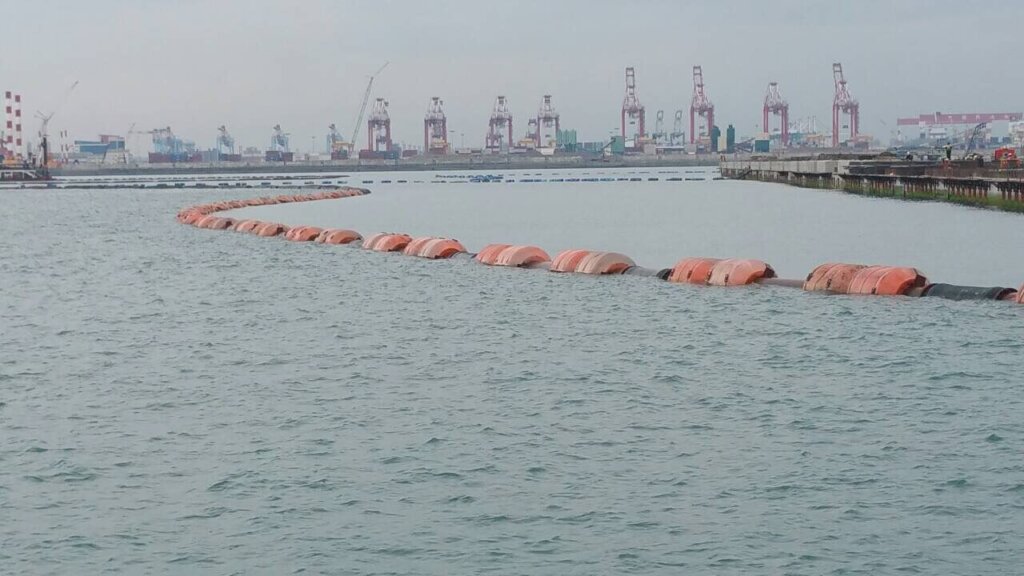
1. Floating Pipeline
-
Characteristics: Typically a combination of steel pipes, rubber pipes, and pontoons, or connected self-floating pipes. Flexible, capable of adapting to water surface fluctuations.
-
Application: Suitable for waters with appropriate current, wave height, and depth. Used for connecting the dredger to fixed pipelines or for floating discharge. Length is generally controlled between several hundred meters to a kilometer. Longer sections should be replaced by submerged pipelines.
-
Selection Requirements:
-
Pontoons should preferably be Class A or B; Class C is prohibited during autumn and winter.
-
Pipeline class is selected based on soil type: Silt or cohesive soils may use Class C or above; Sandy or rocky soils should use Class B or above, with regular rotation and replacement.
-
Clamps must be secure; bolts and nuts shall comply with Chinese National Standard (GB) Grade 4.8 or 8.8.
-
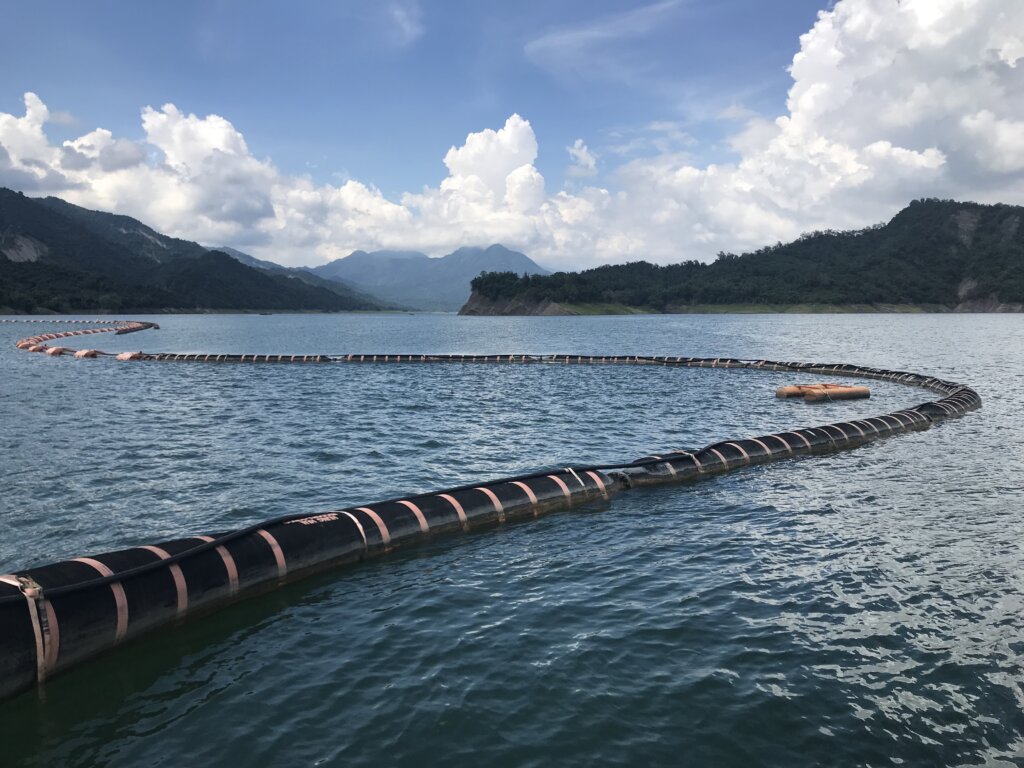
2. Submerged Pipeline
-
Characteristics: Multiple steel pipe sections connected by rubber pipes, submerged and secured on the seabed. Less affected by wind/waves and does not obstruct navigation.
-
Application: Can replace floating pipelines in most water areas, but not suitable for connection at the dredger’s stern or for floating discharge.
-
Selection Requirements:
-
Steel and rubber pipes shall be Class A.
-
Bolts and nuts shall comply with GB Grade 4.8 or 8.8.
-
Gaskets shall be GB products with natural rubber content ≥30% and hardness of 70–75 Shore A.
-
3. Land Pipeline
-
Selection Requirements:
-
Along roads: Use Class B or above steel/rubber pipes with new gaskets and screws.
-
Within reclamation areas: Class C or above pipelines may be used, allowing undamaged reused gaskets.
-
Bolts and nuts shall comply with GB Grade 4.8.
-
IV. Summary
The selection and layout of discharge pipelines must be closely integrated with working conditions, soil type, and construction phases. Through dynamic management and optimized configuration, the goals of cost control and efficient resource utilization should be achieved under the premise of ensuring construction safety and quality.