Article Contents
Engineering Insight: Hdpe Pipe
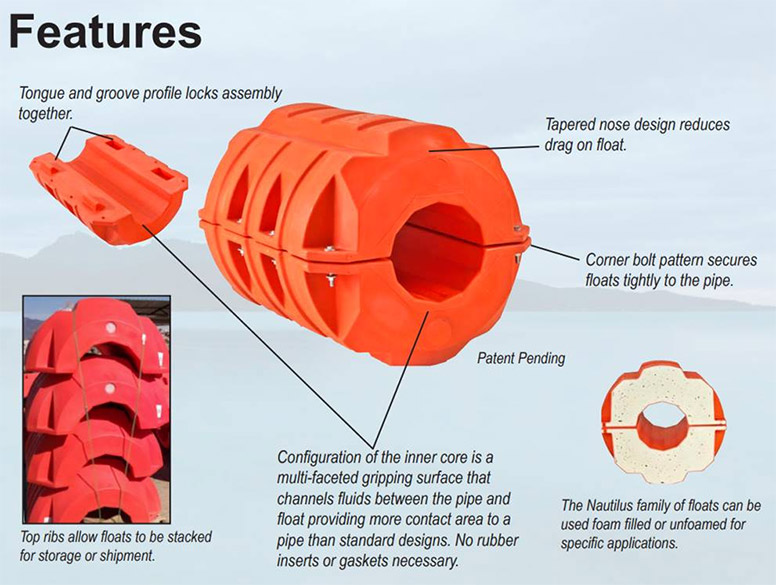
Technical Imperatives of HDPE Pipe in Marine Discharge Pipeline Systems
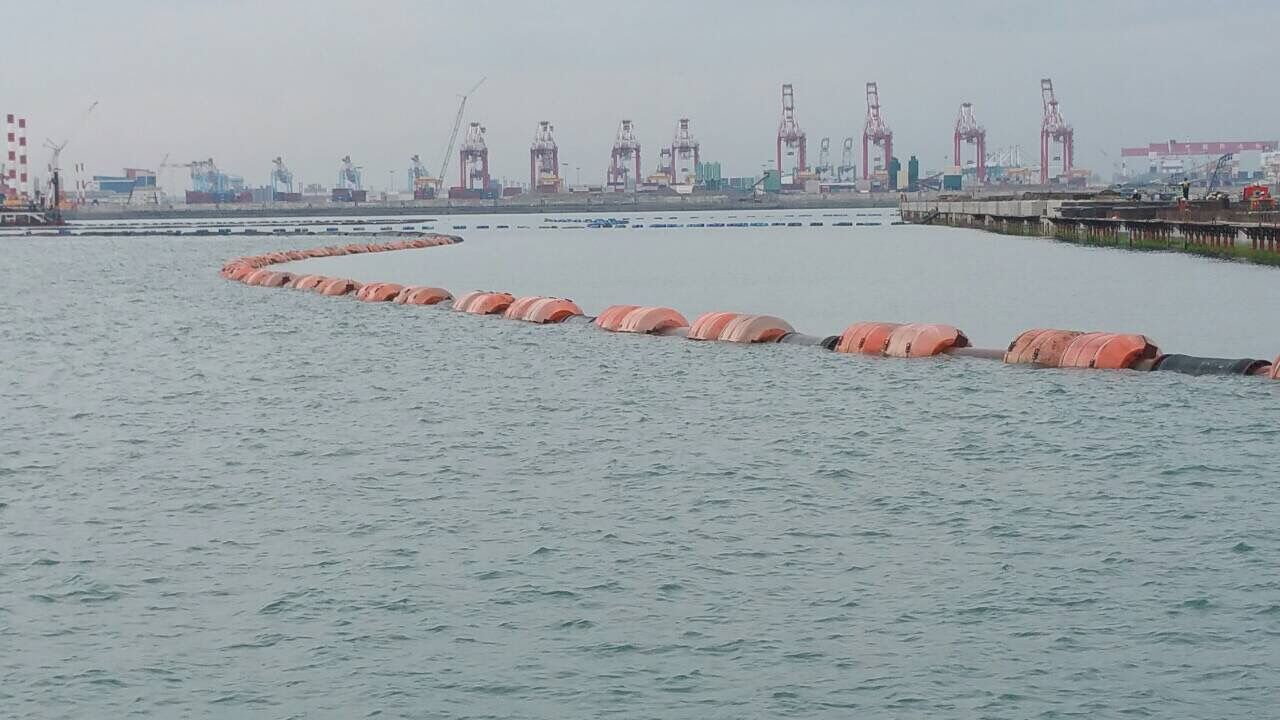
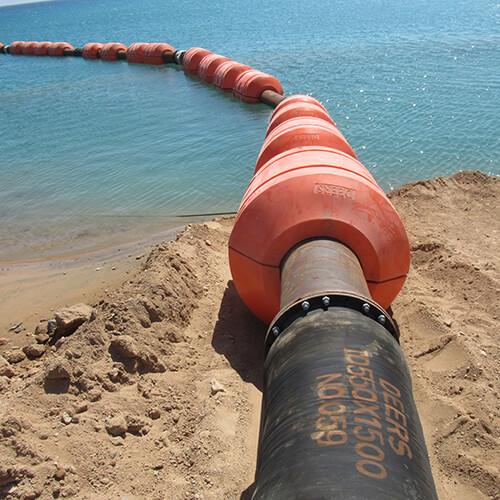
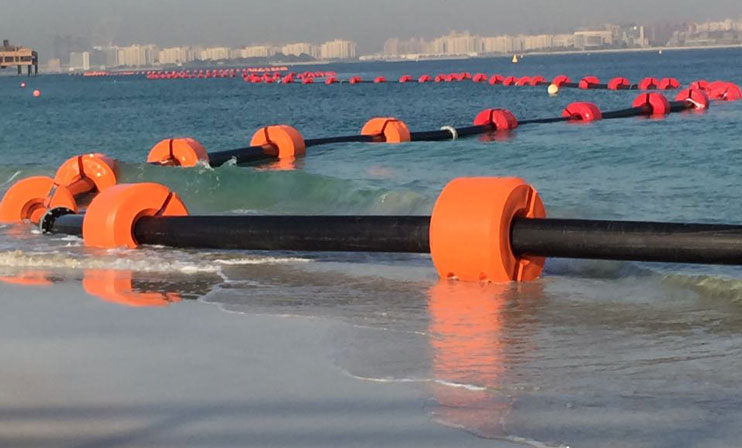
High-Density Polyethylene (HDPE) pipe represents a cornerstone technology for modern dredging operations, particularly in the deployment of subsea discharge pipelines subjected to dynamic marine environments. Its critical role stems from an unparalleled combination of material properties that directly address the challenges of both calm and rough sea conditions. Unlike rigid alternatives, HDPE’s inherent flexibility allows it to absorb wave-induced stresses and seabed movements without catastrophic failure, significantly reducing fatigue-related fractures during prolonged operation. This elasticity is paramount in rough seas, where cyclic loading from wave action and vessel motion can exert extreme torsional and bending forces on the pipeline. Simultaneously, HDPE’s exceptional chemical resistance ensures uninterrupted performance when conveying abrasive slurries or seawater laden with corrosive elements, eliminating the risk of internal degradation common in metallic systems. Crucially, the material’s buoyancy characteristics—when combined with engineered floatation systems—enable precise depth control and tension management, preventing seabed scour or excessive suspension that could compromise pipeline integrity during storm events.
East Marine leverages these fundamental HDPE advantages through rigorous engineering protocols developed over 17 years of specialization in marine infrastructure. Our technical team, comprising 150+ dedicated engineers and materials scientists, focuses on optimizing pipe system design for site-specific hydrodynamic conditions. This includes advanced finite element analysis (FEA) to model stress distribution under extreme wave spectra and current velocities, ensuring seamless integration with our proprietary dredging floats and ancillary components. As a WEDA/CEDA member and ISO 9001-certified manufacturer operating from a 0.68 million sqm facility, we prioritize long-term operational resilience over initial cost savings. Every HDPE pipeline solution undergoes stringent validation against international dredging standards, with material traceability and joint integrity testing forming non-negotiable pillars of our quality framework.
The following table outlines core technical specifications for East Marine’s dredging-grade HDPE pipe, engineered to exceed operational demands in offshore applications:
| Parameter | Specificatie | Standard Compliance |
|---|---|---|
| Materiaalklasse | PE100 RC (Rapid Crack Resistant) | ISO 4427, ASTM F714 |
| Drukclassificatie | PN10 to PN16 (10-16 bar) | EN 12201 |
| Operating Temperature | -40°C to +60°C | ISO 11413 |
| Minimum Bend Radius | 25 x Pipe Diameter (at 20°C) | ISO 13477 |
| Schuurweerstand | >1000 cycles (Taber Abraser, CS-10) | ASTM D1044 |
| Joint Integrity | Electrofusion/Saddle Fusion Certified | ISO 12176 |
East Marine’s engineering capability extends beyond component supply to holistic system integration. Our team collaborates with clients during feasibility studies to model pipeline behavior under forecasted sea states, selecting optimal pipe diameters, wall thicknesses, and float configurations that mitigate vortex-induced vibration (VIV) and anchor-drag risks. This proactive approach—rooted in empirical data from 500+ global dredging projects—ensures discharge pipelines maintain structural coherence and flow efficiency even during 100-year storm scenarios. By embedding material science expertise within the operational context of marine dredging, we deliver HDPE solutions that transform environmental volatility from a liability into a manageable variable, safeguarding project timelines and asset longevity.
Advanced Manufacturing Process
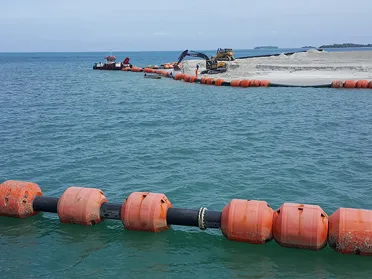
Advanced Manufacturing and Vulcanization Processes for HDPE Dredging Pipes at East Marine
At East Marine, a subsidiary of Jiangsu Huashen Special Rubber Products, the production of high-performance HDPE dredging pipes and integrated float systems is anchored in precision engineering and advanced rubber processing technologies. With a state-of-the-art 0.68M sqm manufacturing facility and 18 dedicated production lines, our operations are designed for scalability, consistency, and compliance with international quality standards, including ISO 9001 certification. Central to our process is the vulcanization of rubber components that interface with HDPE structures, ensuring durability, leak resistance, and long-term performance in harsh marine environments.
The manufacturing process begins with the extrusion of high-density polyethylene (HDPE) into seamless pipe sections, which are then subjected to rigorous dimensional and structural inspections. Simultaneously, custom rubber floats and sealing components are fabricated using premium-grade synthetic rubber compounds formulated for resistance to UV exposure, saltwater, and abrasion. These rubber elements undergo a precisely controlled vulcanization process, a chemical cross-linking reaction that enhances elasticity, tensile strength, and thermal stability. Vulcanization is performed in multi-zone autoclaves under regulated temperature and pressure conditions, ensuring uniform curing and optimal mechanical properties.
Each production line is integrated with real-time monitoring systems to track critical parameters such as temperature profiles, curing duration, and material consistency. This data-driven approach enables immediate corrective actions, minimizing variability and ensuring repeatability across batches. Our ISO 9001-certified quality management system mandates comprehensive testing at every stage—from raw material inspection to final product validation—ensuring compliance with international dredging and marine operational standards.
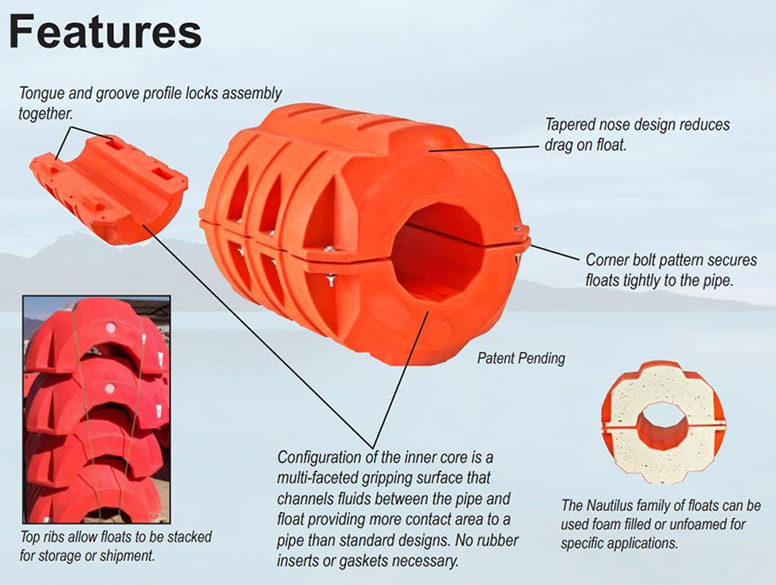
East Marine’s investment in automation and process control extends to the assembly of HDPE pipes with vulcanized rubber floats. Modular float configurations are bonded using advanced adhesion techniques, followed by hydrostatic pressure testing and buoyancy verification under simulated operational loads. This integration ensures reliable performance in dynamic dredging applications, including cutter suction dredgers and long-distance slurry transport systems.
The synergy between HDPE extrusion and rubber vulcanization technologies positions East Marine as a leader in engineered dredging solutions. Our 18 synchronized production lines enable rapid turnaround without compromising quality, supporting global projects in port development, land reclamation, and offshore mining.
| Technical Parameter | Specificatie |
|---|---|
| Factory Size | 0.68 million sqm |
| Production Lines | 18 automated lines |
| ISO Certification | ISO 9001:2015 |
| Vulcanization Temperature Range | 140–180°C (adjustable by compound) |
| Curing Pressure | 10–15 bar |
| HDPE Pipe Diameter Range | DN200 to DN1600 |
| Float Buoyancy Capacity | 300–1200 kg/m (customizable) |
| Test Pressure (Hydrostatic) | Up to 2.5 MPa |
| Service Temperature Range (Rubber) | -40°C to +120°C |
Critical Applications
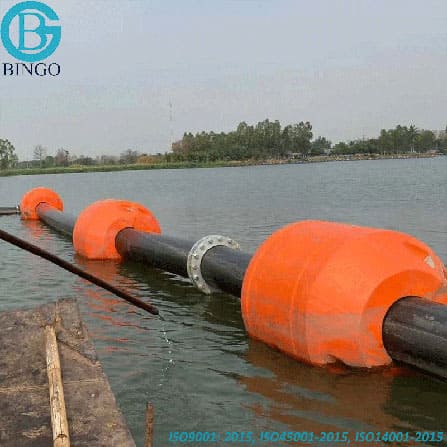
Global Project Applications of HDPE Pipe Systems in Critical Marine and Industrial Infrastructure
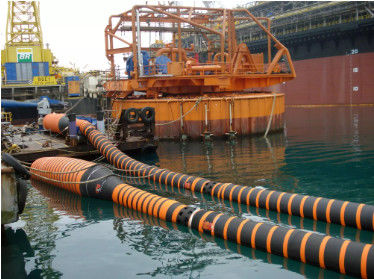
High-Density Polyethylene (HDPE) pipe systems have become indispensable across demanding global infrastructure sectors due to their exceptional corrosion resistance, flexibility, long service life, and cost-effectiveness in installation and maintenance. At East Marine, leveraging our core expertise as a subsidiary of Jiangsu Huashen Special Rubber Products and our active membership in CEDA (Central Dredging Association) and WEDA (Western Dredging Association), we observe and support the critical deployment of HDPE pipes in three primary high-stakes application domains. In dredging operations worldwide, HDPE forms the backbone of both submerged and floating pipeline systems. Its inherent buoyancy, when combined with purpose-designed floats, enables efficient transport of dense slurries over long distances in coastal maintenance, port development, and river navigation projects. The material’s resistance to abrasive wear from sand and gravel, coupled with its ability to flex with wave action and seabed movement, significantly reduces failure risks compared to rigid alternatives. This is particularly vital in deep-water dredging and pipeline lay operations where system integrity is paramount.
Beyond dredging, HDPE pipes are fundamental in offshore and onshore oil and gas fields. They serve reliably in seawater intake and discharge lines for platform cooling systems, subsea umbilical conduits for control fluids, and multiphase flow lines in challenging environments. The material’s immunity to seawater corrosion and hydrogen sulfide (H₂S) attack ensures operational safety and longevity where metal pipes would rapidly degrade. Furthermore, HDPE is increasingly the material of choice for large-scale land reclamation projects. Its flexibility accommodates significant ground settlement common in newly placed fill, while its seamless fusion-welded joints prevent leakage of containment fluids or leachate. Projects creating new urban or industrial zones from the sea, such as those seen in Singapore, the Middle East, and coastal Asia, rely on extensive HDPE networks for drainage, freshwater distribution within the reclaimed area, and perimeter protection systems. East Marine’s engineering team, drawing on nearly two decades of experience since our founding in 2007 and our ISO 9001-certified 0.68 million square meter manufacturing facility, provides tailored HDPE pipe solutions and integrated floating systems that meet the rigorous demands of these complex, large-scale endeavors. Our CEDA/WEDA affiliation ensures our designs align with the latest international best practices in hydraulic engineering and environmental stewardship.
The following table outlines key technical specifications for standard dredging and marine-grade HDPE pipes supplied by East Marine for these critical applications:
| Parameter | Typical Value Range | Application Relevance |
|---|---|---|
| Materiaalklasse | PE100 RC (Resistant to Crack) | Superior slow crack growth resistance for long-term subsea integrity |
| Pressure Rating (PN) | PN10 to PN16 | Handles high slurry pressures in dredging and discharge lines |
| Standard Diameters | DN200 to DN1600 | Scales from medium cutter suction to large trailing suction dredgers |
| Operating Temperature | -40°C to +60°C | Suitable for Arctic to tropical project environments |
| Jointing Method | Butt Fusion / Electrofusion | Creates monolithic, leak-free pipelines essential for submerged sections |
| Flexural Modulus | 800 – 1000 MPa | Provides necessary flexibility for floating hose sections and seabed adaptation |
Technical Data & Specs
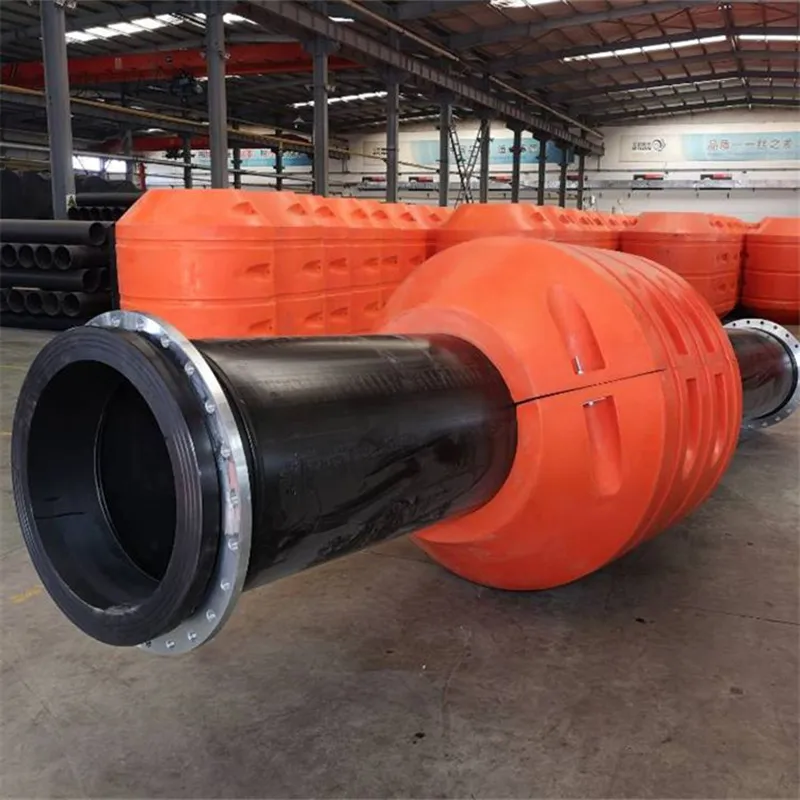
Technical Comparison: Dredging Pipe Floats and HDPE Pipes – East Marine vs. Market Competitors
East Marine, a subsidiary of Jiangsu Huashen Special Rubber Products, has established itself as a leading manufacturer of high-performance dredging solutions, including HDPE pipes and integrated pipe floats. With over 15 years of industry experience, a 0.68 million square meter production facility, and certifications including ISO9001, East Marine delivers engineered solutions that meet the rigorous demands of marine and inland dredging operations. As a member of WEDA and CEDA, we maintain alignment with global best practices in dredging technology and environmental compliance.
When selecting HDPE pipes and associated flotation systems for dredging applications, technical performance parameters are critical to operational safety, efficiency, and longevity. Key specifications such as inner diameter (ID), working pressure, burst pressure, and bending radius directly influence system design, pump compatibility, and installation flexibility. East Marine’s HDPE pipes are manufactured using high-density polyethylene resins conforming to ISO 4427 standards, ensuring superior resistance to abrasion, corrosion, and UV degradation. Our proprietary pipe float integration system is engineered for optimal buoyancy distribution, minimizing stress points and enhancing pipeline stability in dynamic marine environments.
In direct comparison with standard market competitors, East Marine consistently outperforms in pressure ratings and structural resilience. Our HDPE pipes undergo rigorous hydrostatic testing and are designed with enhanced wall thickness tolerances, resulting in higher burst pressure margins. Additionally, the minimum bending radius of our pipes is optimized to support installation in confined or curved dredging routes without compromising structural integrity. This is particularly advantageous in coastal reclamation and river navigation projects where alignment flexibility is essential.
Competitor products, while compliant with basic industry norms, often exhibit wider variability in wall thickness and reduced burst pressure consistency due to less stringent quality controls. Furthermore, many third-party floats are not engineered as integrated systems, leading to uneven load distribution and increased risk of pipeline fatigue.
The following table presents a comparative analysis of technical specifications for standard 500 mm and 800 mm diameter HDPE dredging pipes, including East Marine’s offerings versus average competitor data:
| Inner Diameter (mm) | Parameter | Oostzee | Average Competitor |
|---|---|---|---|
| 500 | Working Pressure | 16 bar | 12 bar |
| Burst Pressure | 64 bar | 48 bar | |
| Bending Radius | 40 x OD | 50 x OD | |
| 800 | Working Pressure | 12 bar | 10 bar |
| Burst Pressure | 48 bar | 36 bar | |
| Bending Radius | 40 x OD | 50 x OD |
East Marine’s superior performance metrics stem from advanced extrusion technology, real-time quality monitoring, and in-house R&D capabilities. Our commitment to innovation ensures that dredging operators achieve maximum uptime, reduced maintenance costs, and compliance with international safety standards. For mission-critical dredging projects, the technical superiority of East Marine’s HDPE pipes and integrated float systems provides a decisive operational advantage.
Partner with East Marine
Conclusion: Engineering Excellence for Demanding Dredging Operations
The technical superiority of High-Density Polyethylene (HDPE) pipes in modern dredging applications is unequivocally validated by their fatigue resistance, chemical inertness, and long-term hydraulic efficiency. As global dredging projects confront increasingly complex environmental and operational challenges—from deep-sea sediment extraction to coastal reclamation—reliance on substandard pipeline systems introduces unacceptable risks of downtime, environmental non-compliance, and inflated lifecycle costs. East Marine, leveraging 17 years of specialized engineering within the Jiangsu Huashen ecosystem, delivers HDPE pipeline solutions engineered to exceed WEDA and CEDA performance benchmarks. Our ISO9001-certified manufacturing processes, executed across a 680,000 sqm industrial complex, ensure dimensional precision, material homogeneity, and pressure integrity that directly translate to reduced maintenance cycles and extended service life in abrasive, saline, or high-stress environments.
Critical technical parameters governing HDPE pipeline viability are non-negotiable in project planning. The following specifications reflect East Marine’s standard dredging-grade HDPE pipe offerings, validated through third-party hydrostatic and cyclic fatigue testing per ISO 1167 and ISO 9080 protocols:
| Technical Parameter | Standard Specification | Test Standard | Application Relevance |
|---|---|---|---|
| Materiaalklasse | PE100 RC (Black/Blue) | ISO 4427 | Crack resistance in rocky seabeds |
| Pressure Rating (PN) | 6 bar to 16 bar | ISO 15494 | Deep-water head pressure tolerance |
| Diameter Range | DN 200 mm to DN 1200 mm | ISO 11922 | High-volume slurry transport |
| Operating Temperature Range | -40°C to +60°C | ISO 13760 | Arctic to tropical deployment |
| Minimum Bend Radius | 30 x DN | ISO 13761 | Dynamic floating hose integration |
East Marine transcends commodity supply through integrated engineering support. Our technical team collaborates directly with EPC contractors and dredging operators during feasibility studies to optimize pipeline routing, buoyancy configurations, and jointing methodologies—ensuring seamless integration with floating hose systems and subsea anchors. This proactive approach mitigates field modification costs and accelerates project timelines. With a dedicated Singapore branch operational since 2021, we provide localized technical desk support, inventory staging, and rapid-response logistics across Southeast Asia and Oceania, backed by a 24/7 global service network.
Initiate a technical consultation with East Marine to validate HDPE pipeline specifications against your project’s hydraulic profile, seabed conditions, and longevity requirements. Our engineers will deliver a customized performance dossier—including finite element analysis (FEA) reports for critical stress zones—and coordinate factory acceptance testing (FAT) at your convenience. Contact our Singapore-based dredging solutions team directly via WhatsApp at +86-13806109365 for urgent technical queries or email hsdredging@eastmarine.tech to request a project-specific quotation with certified material test reports (MTRs). As WEDA members committed to advancing sustainable dredging practices, we stand ready to engineer resilient infrastructure that protects your operational continuity and environmental compliance. Partner with a manufacturer where material science meets marine engineering rigor—contact East Marine today to secure your pipeline’s performance legacy.
🏗️ Dredging Pipeline Project Cost Estimator
Calculate savings by sourcing directly from East Marine factory vs. local trading companies.
*Estimates only. Contact us for formal quotation.