Article Contents
Engineering Insight: Pipe Float
Technical Imperatives of Pipe Float Systems in Marine Dredging Operations
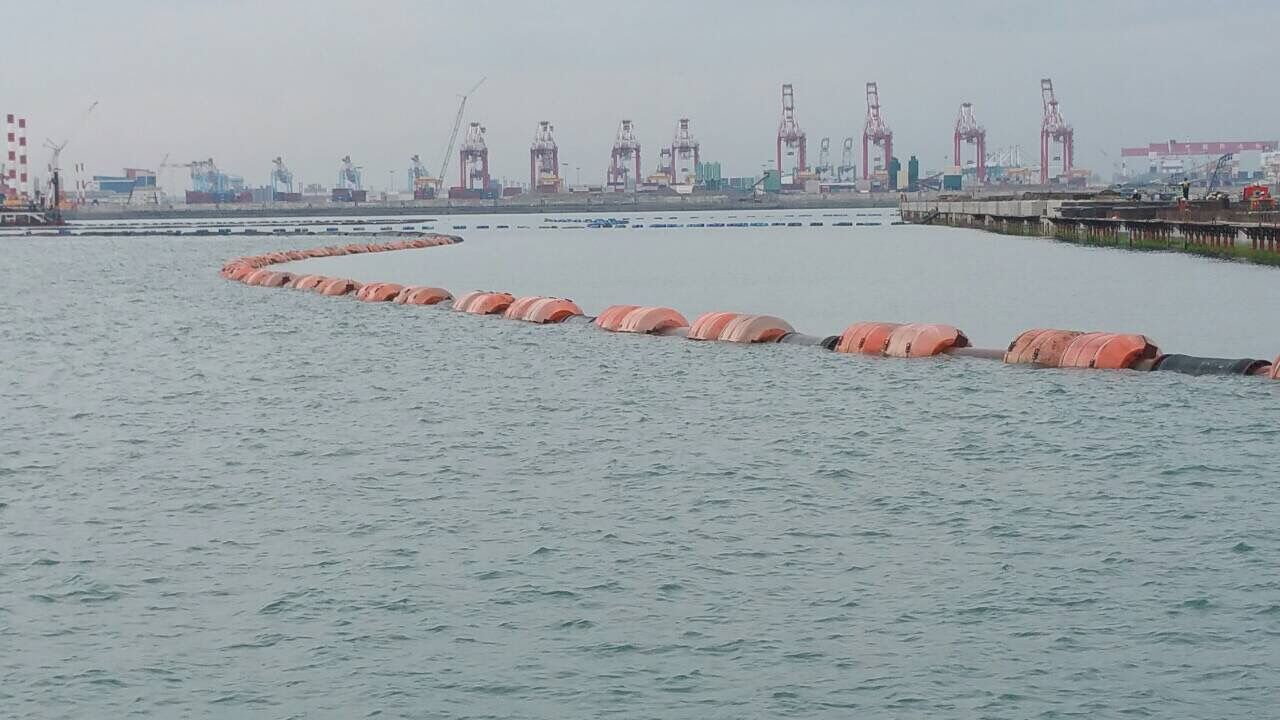
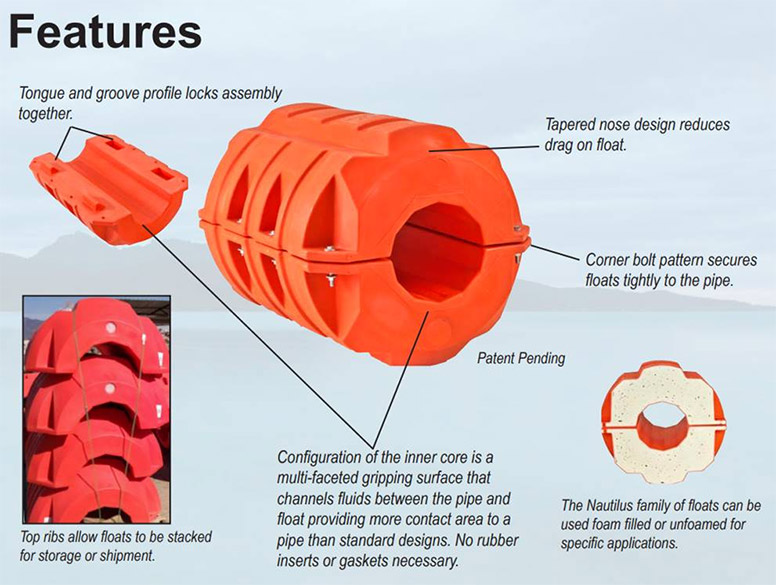
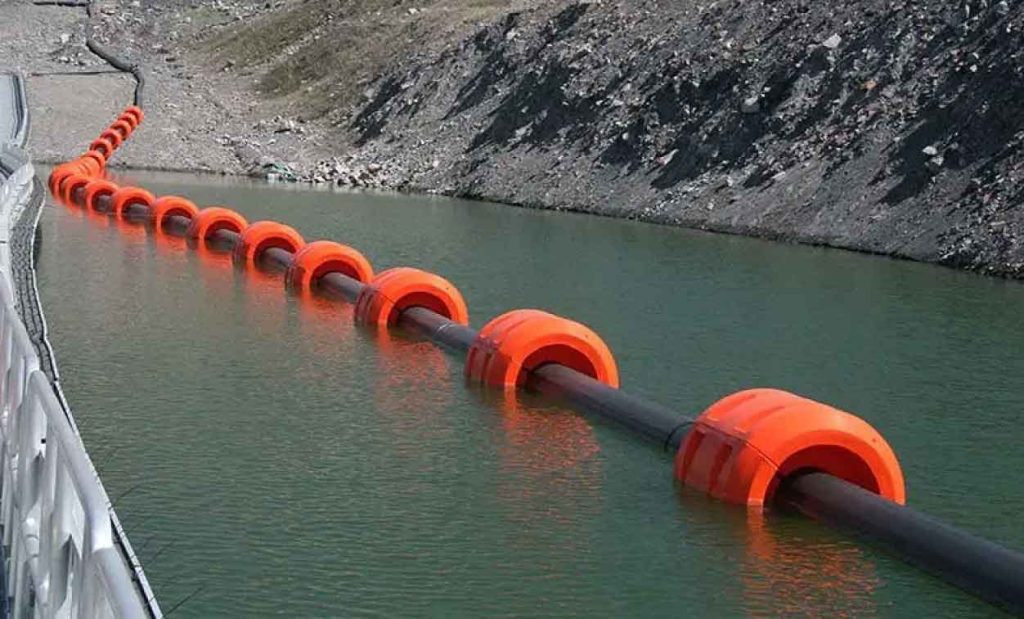
Pipe floats represent a critical engineering component in offshore and nearshore dredging operations, directly influencing project efficiency, pipeline integrity, and operational safety. Their primary function is to provide controlled buoyancy to submerged discharge pipelines, counteracting the significant weight of the HDPE or steel pipe, the dredged slurry, and marine growth accumulation. This buoyancy management is not merely about keeping the pipeline afloat; it is a precise calculation essential for maintaining the pipeline’s optimal submerged depth profile. An incorrect depth compromises slurry flow velocity, risking sedimentation and blockages, while excessive tension or slack induced by improper buoyancy can lead to catastrophic pipeline failure, particularly under dynamic sea conditions. In calm waters, consistent buoyancy prevents pipeline sagging onto the seabed, minimizing abrasion and potential punctures. In rough seas, the pipe float system must dynamically absorb wave-induced stresses and vessel motion, acting as a flexible suspension system to prevent fatigue cracks and joint failures. The engineering challenge lies in designing floats that deliver predictable, long-term buoyancy force while withstanding relentless UV exposure, saltwater corrosion, hydrodynamic drag, and impact loads from debris or vessel contact.
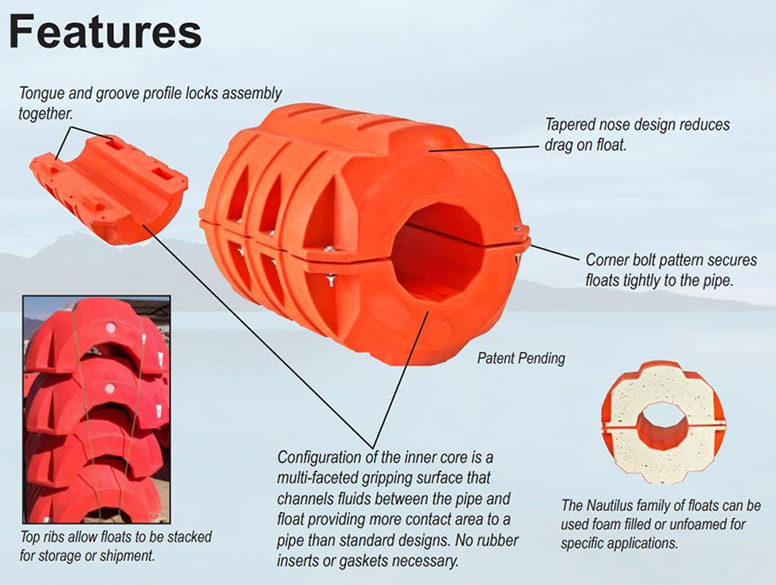
East Marine leverages its 15+ years of specialized marine rubber expertise and the robust engineering capacity of its 150+ technical staff to address these complex demands. Our pipe floats are not off-the-shelf commodities but engineered solutions developed through rigorous finite element analysis (FEA) and hydrodynamic modeling. We prioritize material science, utilizing proprietary high-density polyethylene (HDPE) shells and closed-cell polyurethane foam cores engineered for maximum buoyancy retention, minimal water absorption, and exceptional resistance to environmental degradation. This focus on material integrity ensures consistent performance over extended operational cycles, directly contributing to reduced downtime and lower total cost of ownership for dredging contractors. Our engineering team collaborates closely with clients to model specific project parameters – including pipeline diameter, slurry density, expected sea states, and required operational depth – ensuring the float configuration delivers the precise buoyancy curve needed for stable, efficient pipeline deployment.
The technical performance of a pipe float system hinges on meticulously engineered specifications. East Marine’s standard and custom solutions adhere to stringent international dredging standards, providing reliable data for project planning:
| Buoyancy Force (kN per float) | Material Shell | Foam Core Density (kg/m³) | Max Operating Depth (m) | Pressure Rating (bar) | Temp Range (°C) |
|---|---|---|---|---|---|
| 15.0 – 120.0 (Customizable) | UV-Stabilized HDPE | 120-150 | 50 | 10 | -40 to +70 |
This technical foundation, combined with East Marine’s 0.68 million sqm manufacturing facility and ISO 9001-certified quality management system, ensures every pipe float meets the exacting demands of modern dredging projects. As active WEDA and CEDA members, we maintain continuous alignment with evolving industry best practices and environmental considerations. The reliability of the pipe float system is non-negotiable; it is the backbone supporting continuous slurry transport, protecting substantial capital investment in pipeline infrastructure, and enabling dredging operations to proceed safely and efficiently across the spectrum of marine environments, from sheltered harbors to exposed coastal zones. East Marine’s engineering-driven approach delivers the performance certainty essential for project success.
Advanced Manufacturing Process
Precision Engineering in Dredging Floatation: The East Marine Manufacturing Advantage
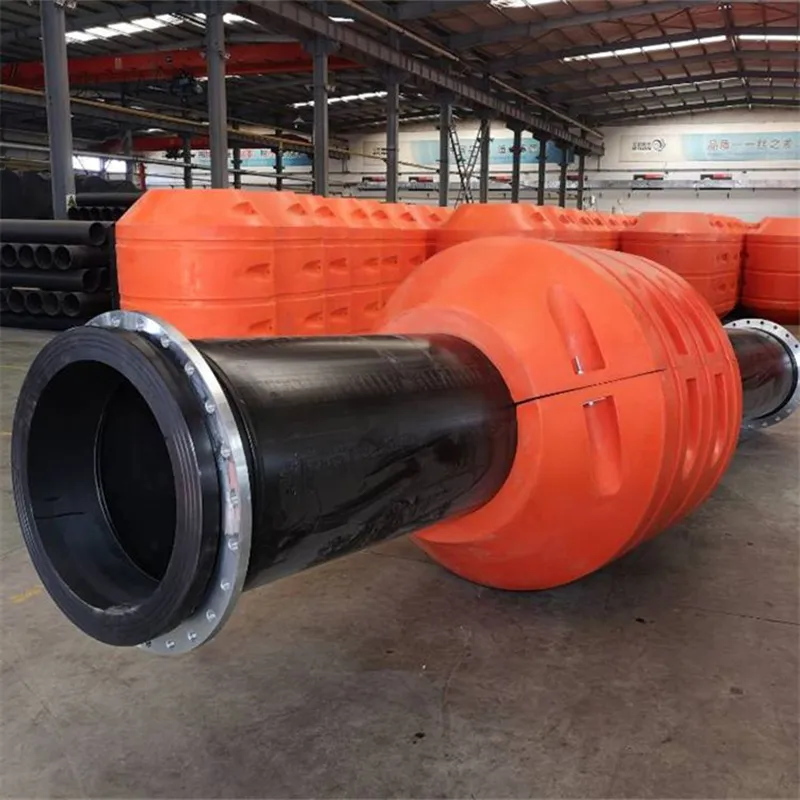
At East Marine, a trusted subsidiary of Jiangsu Huashen Special Rubber Products, the manufacturing of dredging pipe floats and HDPE pipelines is grounded in advanced rubber technology and industrial-scale precision. With a 0.68M sqm state-of-the-art production facility located in China, we operate 18 fully integrated production lines dedicated to the development of high-performance marine flotation systems. Our process centers on optimized vulcanization techniques, ensuring each float delivers unmatched durability, buoyancy, and resistance to marine environmental stressors.
The core of our manufacturing excellence lies in the vulcanization process, where raw rubber compounds are transformed into robust, cross-linked structures capable of withstanding prolonged exposure to saltwater, UV radiation, and mechanical abrasion. Using computer-controlled autoclaves and hydraulic press systems, we precisely regulate temperature, pressure, and curing time to achieve consistent material properties across every production batch. This level of control is critical for maintaining the structural integrity and long-term performance of dredging floats used in demanding offshore and riverine operations.
Each float begins as a custom-molded HDPE shell, which is then lined with high-density expanded closed-cell polyethylene foam or reinforced rubber bladders, depending on application requirements. The integration of rubber components is achieved through direct adhesion during the vulcanization phase, creating a monolithic bond between layers that prevents delamination and water ingress. This seamless construction is essential for maintaining neutral buoyancy and minimizing maintenance over extended operational cycles.
Quality assurance is embedded throughout the production workflow. As an ISO 9001-certified manufacturer and active member of WEDA and CEDA, East Marine adheres to strict international standards for material testing, dimensional accuracy, and performance validation. Every float undergoes hydrostatic pressure testing, tensile strength verification, and buoyancy calibration before shipment. Non-destructive testing (NDT) methods are employed to detect subsurface defects, ensuring only components meeting our rigorous specifications reach the customer.
Our 18 synchronized production lines enable scalable output without compromising precision, supporting global projects ranging from coastal reclamation to large-scale mining dredging operations. This combination of scale, technical expertise, and quality discipline positions East Marine as a leading industrial supplier in the marine flotation sector.
The following table outlines key technical parameters of our standard dredging pipe float series:
| Parameter | Specificatie |
|---|---|
| Materiaal | HDPE Shell + Vulcanized Rubber/PE Foam |
| Standard Diameter Range | 300 mm – 1200 mm |
| Operating Temperature Range | -40°C to +80°C |
| Buoyancy Capacity (per float) | 80 kg – 650 kg |
| Saltwater Resistance | ASTM D471 Compliant |
| UV Stabilization | Carbon Black + UV Inhibitors (2%) |
| Design Life | 10+ years (marine environment) |
| Certification | ISO 9001, WEDA/CEDA Member |
Critical Applications
Global Project Applications of Pipe Floats in Marine Infrastructure Development
Pipe floats represent a critical engineering component in large-scale marine and offshore operations, providing essential buoyancy and stability for submerged or floating pipeline systems. At East Marine, leveraging our foundational expertise as a subsidiary of Jiangsu Huashen Special Rubber Products and our active membership in both CEDA (Central Dredging Association) and WEDA (Western Dredging Association), we design and manufacture high-performance pipe floats specifically engineered to meet the rigorous demands of diverse global infrastructure projects. Our solutions, developed within our 0.68 million square meter ISO 9001 certified manufacturing facility since 2007, ensure operational reliability and longevity in the harshest aquatic environments.
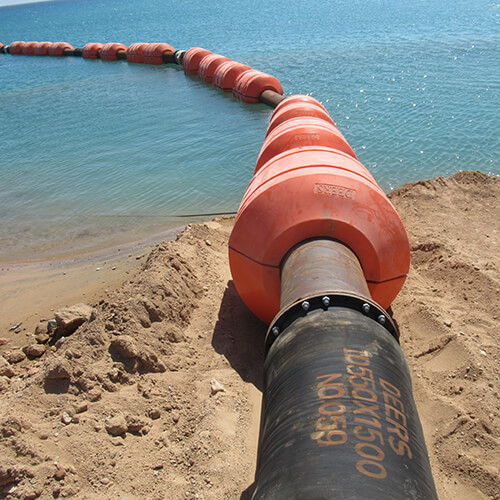
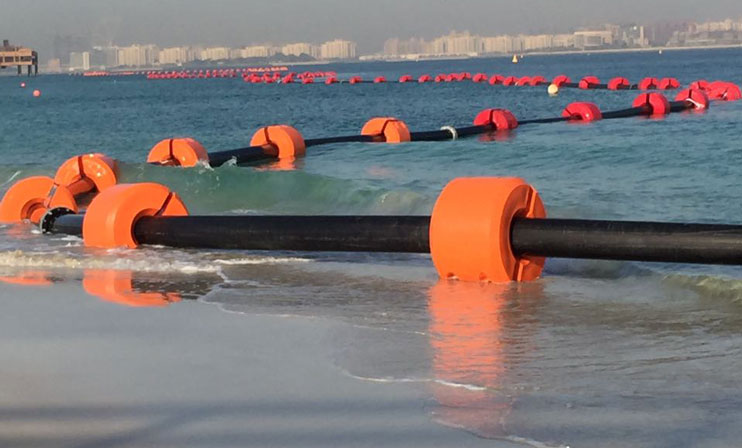
The primary application domain for our pipe floats remains large-scale dredging projects worldwide. In capital and maintenance dredging for port expansions, such as the recent deepening of the Suez Canal or ongoing works in Rotterdam and Singapore, our floats provide the necessary lift for discharge pipelines transporting sediment over significant distances. They maintain optimal pipeline elevation above the seabed, preventing drag, excessive wear, and potential buckling, while ensuring consistent flow dynamics crucial for efficient material transport. This capability is vital for projects requiring precise placement of dredged material for beach nourishment or new land creation.
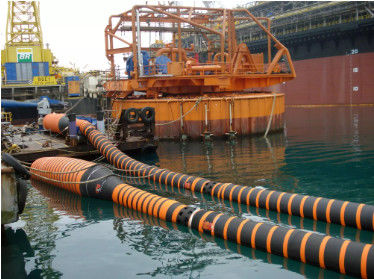
Beyond traditional dredging, our pipe floats are increasingly deployed in offshore oil and gas operations. They support flexible floating hoses used for temporary transfer operations between Floating Production Storage and Offloading (FPSO) vessels and onshore terminals, or during offshore construction laydown phases. The floats maintain hose profile, reduce stress on connection points, and ensure safe clearance above wave action, directly contributing to operational safety and preventing costly spill incidents during hydrocarbon transfer. Their robust construction withstands exposure to crude oil, refined products, and challenging sea states.
Land reclamation projects, particularly prevalent across Southeast Asia and the Middle East, constitute another major application area. Here, pipe floats are indispensable for stabilizing the extensive pipeline networks pumping sand and fill material to create new landmasses, such as those seen in Dubai’s Palm Islands or Singapore’s ongoing expansions. They enable the pipelines to traverse deep water channels efficiently before reaching the reclamation site, maintaining structural integrity and flow capacity over long, often curved, pipeline routes across evolving seabed topographies. The consistent buoyancy provided is fundamental to the project’s timeline and structural soundness of the new land.
The operational success in these demanding scenarios relies on precise engineering specifications. East Marine pipe floats are manufactured using advanced vulcanized rubber compounds and reinforced structures to deliver predictable performance under load.
Technical Performance Specifications for East Marine Pipe Floats
| Parameter | Standard Range | High-Performance Option | Test Standard |
|---|---|---|---|
| Buoyancy Force | 500 – 5000 kgf | Up to 8000 kgf | ASTM D750 |
| Operating Pressure | 1.0 – 10.0 bar | 15.0 bar | ISO 1402 |
| Temperatuurbereik | -30°C to +80°C | -40°C to +100°C | ISO 188 |
| Schuurweerstand | ≥ 120 mm³ loss | ≤ 80 mm³ loss | ISO 4649 |
| UV Resistance (QUV) | 1500 hrs no cracking | 3000 hrs no cracking | ISO 4892-3 |
| Saltwater Immersion | 1000 hrs no degradation | 2000 hrs no degradation | ASTM D471 |
This combination of global project experience, adherence to international dredging association standards (CEDA/WEDA), and rigorous material science underpins East Marine’s position as a trusted supplier for critical buoyancy solutions in the world’s most demanding marine construction and resource extraction endeavors. Our commitment to engineering excellence ensures pipeline integrity and project efficiency across dredging, offshore energy, and land reclamation sectors.
Technical Data & Specs
Technical Comparison: Dredging Pipe Floats and HDPE Pipes – East Marine vs. Industry Competitors
In the demanding environment of dredging operations, selecting the right pipeline system is critical to project efficiency, safety, and longevity. East Marine, a subsidiary of Jiangsu Huashen Special Rubber Products and a trusted member of WEDA and CEDA, delivers high-performance dredging pipe floats and HDPE (High-Density Polyethylene) pipelines engineered for extreme marine and hydraulic conditions. With a manufacturing footprint spanning 0.68 million square meters and adherence to ISO9001 quality standards, East Marine ensures precision, durability, and reliability across its product line.
A key differentiator lies in the technical specifications of our dredging pipe floats and HDPE pipes when compared to standard offerings from other suppliers. Our HDPE pipes are manufactured using premium-grade polyethylene resin, optimized for high tensile strength and resistance to abrasion, UV degradation, and chemical exposure. This results in superior performance metrics across critical parameters such as working pressure, burst pressure, and flexibility in field installation.
East Marine’s dredging pipe floats are designed to maintain neutral buoyancy while supporting heavy-duty HDPE pipelines, reducing stress on joints and minimizing the risk of fatigue failure. Our integrated float-pipe systems are rigorously tested to exceed international standards, ensuring operational safety in dynamic offshore and riverine environments.
Below is a comparative analysis of key technical specifications between East Marine’s HDPE pipe and float systems and those of typical industry competitors. The data reflects standard configurations for 500 mm and 600 mm inner diameter pipelines, commonly used in medium-to-large-scale dredging projects.
| Inner Diameter (mm) | Parameter | Oostzee | Typical Competitor |
|---|---|---|---|
| 500 | Working Pressure (bar) | 16 | 10–12 |
| 500 | Burst Pressure (bar) | 48 | 30–36 |
| 500 | Bending Radius (m) | 12 | 15–18 |
| 600 | Working Pressure (bar) | 16 | 10–12 |
| 600 | Burst Pressure (bar) | 48 | 30–36 |
| 600 | Bending Radius (m) | 14.4 | 18–22 |
East Marine’s HDPE pipes achieve a higher working pressure rating of 16 bar—up to 30–50% greater than standard competitor offerings—enabling more efficient slurry transport at higher velocities. The burst pressure of 48 bar provides a significant safety margin, reducing the risk of catastrophic failure under surge conditions. Additionally, our optimized molecular weight distribution and controlled extrusion process result in a tighter bending radius, allowing for easier installation in confined or curved dredging routes. This flexibility reduces the need for additional fittings, lowering both installation time and leak potential.
East Marine’s pipe floats are engineered to match the mechanical properties of our HDPE pipelines, ensuring synchronized performance under load and movement. With over 15 years of specialized experience since our founding in 2007, we continue to set benchmarks in dredging system integrity and operational efficiency.
Partner with East Marine
Conclusion: Engineering Excellence for Critical Dredging Operations
The performance and longevity of dredging pipeline systems fundamentally depend on the integrity of every component, particularly the pipe floats ensuring optimal buoyancy and submersion control. East Marine, operating from our 0.68 million square meter ISO9001-certified facility and leveraging over 17 years of specialized rubber engineering since 2007, delivers pipe floats engineered to exceed the rigorous demands of modern dredging projects. As active members of WEDA and CEDA, we understand that operational continuity, resistance to environmental degradation, and precise hydrodynamic performance are non-negotiable. Our integrated manufacturing process—from compound formulation through vulcanization and rigorous hydrostatic testing—ensures each float meets exact project specifications, minimizing downtime and maximizing return on investment across diverse marine conditions.
Selecting the right pipe float solution requires deep technical collaboration, not just product specification. Our engineering team works proactively with clients to analyze site-specific variables including wave climate, sediment load, pipeline configuration, and operational depth profiles. This consultative approach guarantees that the final solution integrates seamlessly into your dredging system, providing reliable buoyancy management throughout the asset lifecycle. The table below summarizes the core technical parameters defining our standard HDPE pipe float series, reflecting our commitment to quantifiable performance metrics.
| Technical Parameter | Standard Specification | Enhanced Performance Option | Test Standard |
|---|---|---|---|
| Buoyancy Range (kg/m) | 120 – 450 | 500 – 900 | ISO 11423 |
| Max Operating Pressure (bar) | 1.5 | 2.5 | ASTM D1598 |
| Temp. Range (°C) | -40 to +80 | -50 to +90 | ISO 3772 |
| UV Resistance (years) | 10+ | 15+ | ISO 4892-2 |
| Abrasion Loss (mm³) | ≤ 120 | ≤ 80 | ISO 4649 |
| Saltwater Immersion (1000h) | No degradation | Enhanced polymer matrix | ASTM D471 |
Initiate Your Project with Proven Technical Partnership
For dredging contractors and EPC firms facing complex marine challenges, the margin for error in pipeline buoyancy systems is negligible. East Marine provides not merely a component, but a certified engineering solution backed by our global supply chain infrastructure. Our Singapore branch serves as a strategic hub for Asia-Pacific project coordination, logistics management, and rapid technical support, ensuring seamless integration for regional deployments. Engage directly with our senior engineering team to discuss custom configurations, accelerated delivery schedules, or material certifications required for your next capital dredging initiative. Contact us immediately via WhatsApp at +86-13806109365 for urgent technical consultation, or email hsdredging@eastmarine.tech to schedule a detailed system review. Include your project location, pipeline diameter, and operational depth requirements to receive a tailored performance proposal within 24 business hours. Trust East Marine—where advanced rubber technology meets uncompromising marine engineering discipline—to secure the critical buoyancy foundation of your dredging operation.
🏗️ Dredging Pipeline Project Cost Estimator
Calculate savings by sourcing directly from East Marine factory vs. local trading companies.
*Estimates only. Contact us for formal quotation.