Article Contents
Engineering Insight: Rubber Vulcanizing
The Critical Role of Precision Vulcanization in Dredging Hose Performance
Vulcanization is the indispensable chemical transformation that elevates raw elastomer compounds into the high-performance rubber essential for dredging hose integrity and longevity. For Trailing Suction Hopper Dredgers (TSHD) and Cutter Suction Dredgers (CSD), where suction and discharge hoses endure relentless abrasion from sand and gravel slurries, extreme cyclic pressure fluctuations, constant flexing, and prolonged seawater exposure, the precision of the vulcanization process directly dictates operational reliability and service life. Inadequate cross-linking during vulcanization results in premature degradation—manifesting as cracking, swelling, reduced tensile strength, and catastrophic delamination under operational stress. East Marine engineers meticulously control time, temperature, and pressure profiles within large-scale autoclaves to achieve optimal sulfur cross-link density. This ensures the rubber matrix develops the necessary resilience to resist abrasive wear, maintain dimensional stability under vacuum and high pressure, and prevent permeation of corrosive seawater into the reinforcement layers. The consequence of substandard vulcanization is not merely component failure; it represents significant operational downtime, costly salvage operations, and project delays in critical maritime infrastructure development.
The vulcanization process parameters are rigorously tailored to the specific compound formulation and hose construction. East Marine leverages its deep materials science expertise to optimize these parameters for the unique demands of dredging applications, balancing hardness for abrasion resistance with flexibility for handling and fatigue resistance. Achieving uniform heat distribution and consistent pressure application throughout the entire hose structure during the vulcanization cycle is paramount to eliminate weak points. Our engineering team, comprising over 150 dedicated professionals including specialized rubber chemists and process engineers, utilizes advanced monitoring systems to validate the cure state at multiple critical points, ensuring every meter of hose meets exacting performance criteria before deployment. This rigorous approach underpins the structural integrity required to handle the immense forces generated during dredging operations, where suction hoses routinely operate under significant vacuum and discharge hoses withstand high-pressure pulses.
East Marine’s commitment to vulcanization excellence is a core pillar of our engineering capability, directly contributing to the extended service life and reduced lifecycle costs demanded by modern dredging contractors. Our ISO9001-certified processes, developed over 17 years of specialization and validated through WEDA/CEDA industry collaboration, ensure consistent delivery of hoses capable of withstanding the harshest marine environments. The following table outlines key vulcanization-derived performance characteristics critical for TSHD and CSD hose applications:
| Performance Parameter | Typical Value Range (East Marine Dredging Hose) | Significance for Dredging Operations |
|---|---|---|
| Abrasion Resistance (DIN 53516) | ≤ 80 mm³ volume loss | Directly correlates to hose lifespan in high-slurry flow |
| Tensile Strength (ISO 37) | ≥ 18 MPa | Resists rupture under pressure surges and handling loads |
| Elongation at Break (ISO 37) | ≥ 450% | Ensures flexibility and fatigue resistance during flexing |
| Hardness (Shore A, ISO 7619) | 60 – 70 | Optimizes balance between wear resistance and flexibility |
| Adhesion Strength (to fabric) | ≥ 12 kN/m | Prevents delamination under cyclic stress and vacuum |
This technical mastery, executed within our 0.68 million square meter manufacturing facility, is not merely a production step—it is the foundational engineering discipline ensuring East Marine hoses deliver the uncompromising performance required for global dredging projects. Our engineering team’s continuous refinement of vulcanization science remains central to advancing dredging hose technology and operational efficiency.
Advanced Manufacturing Process
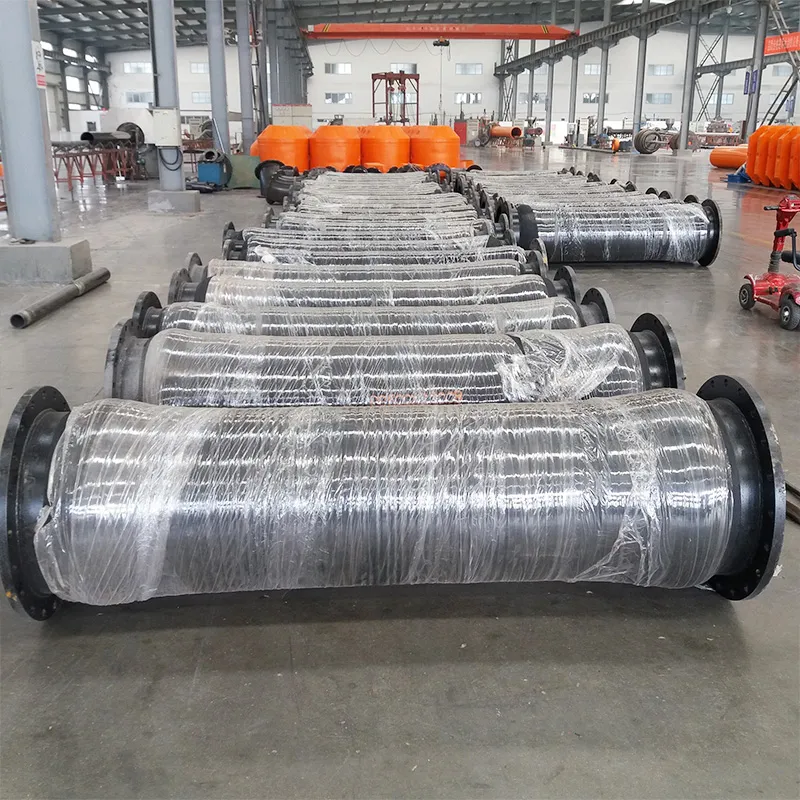
Advanced Vulcanization Technology in Dredging Hose Manufacturing at East Marine
At East Marine, a subsidiary of Jiangsu Huashen Special Rubber Products, the production of high-performance dredging rubber hoses is rooted in precision engineering and advanced vulcanization techniques. With a state-of-the-art 0.68M sqm manufacturing facility and 18 dedicated production lines, our operations are optimized for consistency, durability, and scalability in delivering suction and discharge hoses for demanding marine and dredging applications.
Vulcanization is a critical phase in the lifecycle of rubber hose manufacturing. This chemical process involves cross-linking polymer chains in raw rubber using sulfur or other curatives under controlled heat, pressure, and time. At East Marine, we employ high-pressure autoclave vulcanization systems integrated across our 18 production lines, ensuring uniform curing of hose assemblies. This process enhances mechanical strength, abrasion resistance, and elasticity—key performance attributes for hoses subjected to abrasive slurries, fluctuating pressures, and harsh marine environments.
Our vulcanization protocols are tailored to the specific compound formulation and hose structure, whether it be for floating dredge hoses, submerged discharge lines, or high-vacuum suction applications. Each hose undergoes a precisely programmed cure cycle, monitored in real time via automated control systems. Parameters such as temperature (typically 145–165°C), pressure (up to 1.5 MPa), and duration are logged and validated to ensure repeatability and compliance with international standards.
Quality assurance is embedded at every stage of production. As an ISO 9001-certified manufacturer and active member of WEDA and CEDA, East Marine adheres to rigorous quality control procedures. Prior to vulcanization, rubber compounds are tested for consistency, tensile strength, and elongation. Post-vulcanization, hoses undergo hydrostatic pressure testing, dimensional inspection, and adhesion testing between rubber and reinforcement layers. Non-destructive testing methods, including ultrasonic scanning, are employed to detect internal defects that could compromise performance.
Our investment in automation, process monitoring, and operator training ensures that each hose meets or exceeds industry benchmarks for safety and longevity. The integration of digital quality management systems allows full traceability—from raw material batch numbers to final product certification.
East Marine’s commitment to excellence in rubber vulcanization translates into dredging hoses that deliver extended service life, reduced downtime, and superior resistance to wear, ozone, and seawater degradation. As a trusted supplier since 2007, we continue to innovate within our 0.68M sqm facility to meet the evolving needs of global dredging operations.
Technical specifications of our standard dredging hose vulcanization process are outlined below:
| Parameter | Specificatie |
|---|---|
| Vulcanization Method | High-pressure autoclave |
| Temperatuurbereik | 145°C – 165°C |
| Cure Pressure | Up to 1.5 MPa |
| Typical Cure Time | 60 – 120 minutes (varies by diameter/thickness) |
| Rubber Compound Types | NR, SBR, CR, EPDM (custom formulations available) |
| Reinforcement Layers | Textile braid, steel wire helix, or hybrid |
| Adhesion Strength (Rubber to Fabric) | ≥ 120 N/cm (per ISO 8033) |
| Quality Standards | ISO 9001, WEDA/CEDA compliance |
Critical Applications
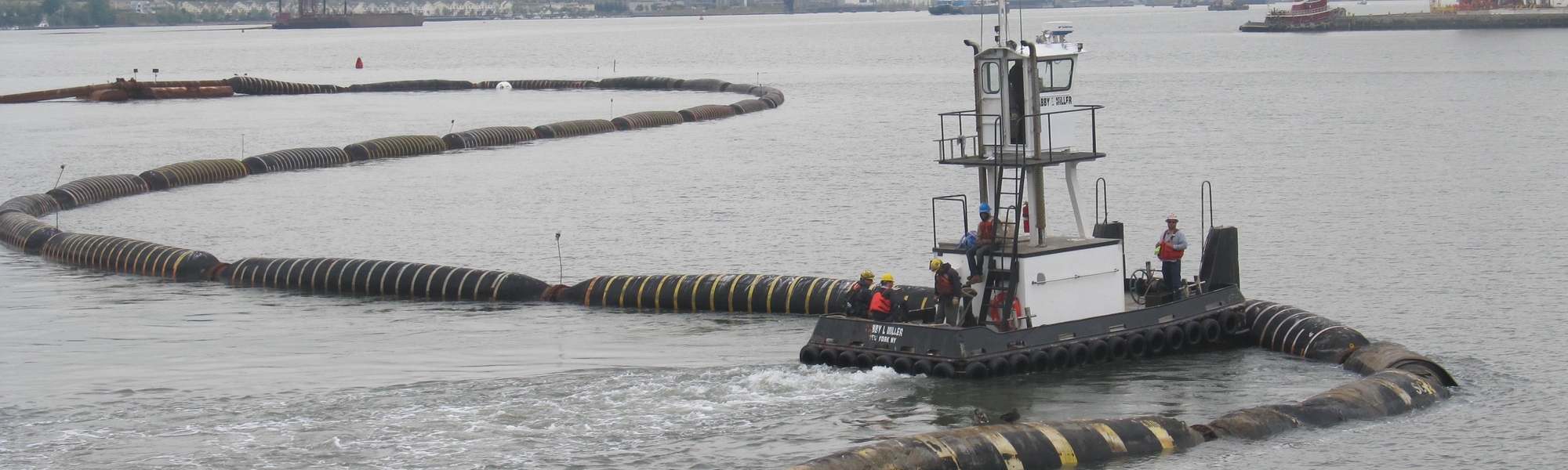
Global Project Applications of Precision Vulcanized Dredging Hoses
Vulcanization remains the indispensable chemical process transforming raw rubber compounds into high-performance dredging hoses capable of enduring extreme operational demands. At East Marine, our advanced vulcanization protocols—rigorously controlled for time, temperature, and pressure—are fundamental to delivering hoses that maintain structural integrity under continuous abrasive sediment loads, fluctuating hydrostatic pressures, and aggressive marine environments. This precision engineering directly translates to extended service life and reduced project downtime across critical global infrastructure sectors.
In major dredging operations, vulcanized hoses form the backbone of suction and discharge systems. Projects like the Maasvlakte 2 expansion in the Netherlands and Singapore’s land reclamation initiatives rely on hoses engineered to handle densities exceeding 1.8 t/m³ while resisting abrasion from sharp-edged aggregates. The vulcanization process optimizes the cross-link density of our specialized rubber blends, ensuring consistent flexibility during articulation and resilience against kinking or collapse under vacuum conditions. This is non-negotiable for maintaining continuous slurry flow in capital dredging where unplanned hose failure incurs significant cost overruns.
Oil and gas field development further underscores vulcanization’s critical role. Discharge hoses deployed in offshore pipeline trenching or wellhead sediment management face dual challenges: corrosive seawater exposure and abrasive cuttings laden with drilling fluids. Our vulcanized compounds incorporate proprietary anti-oxidant and anti-ozone packages activated during curing, preventing surface degradation and micro-cracking even after prolonged UV exposure. This molecular stability is validated through accelerated aging tests simulating 10,000+ hours of field service, a standard upheld by CEDA and WEDA technical guidelines which East Marine actively contributes to as a member organization.
Land reclamation projects present perhaps the most severe mechanical stresses, where hoses endure dynamic bending, wave-induced tension, and impact from floating debris. Vulcanization parameters are precisely tuned to balance tensile strength with elongation properties, allowing hoses to absorb energy without permanent deformation. Our hoses deployed in the Fujairah Port expansion (UAE) consistently operated at 25 bar working pressure while navigating tidal shifts—a testament to the dimensional stability achieved through controlled sulfur and peroxide cure systems.
The technical superiority of vulcanized dredging hoses is quantifiable through key performance metrics:
| Property | Test Standard | Typical Value | Significance for Dredging |
|---|---|---|---|
| Tensile Strength | ISO 37 | ≥ 25 MPa | Resists rupture under high pressure |
| Elongation at Break | ISO 37 | ≥ 550% | Accommodates bending/flexing |
| Abrasion Loss (Rotary) | ISO 4649 | ≤ 120 mm³ | Critical for abrasive slurry flow |
| Operating Temperature | – | -30°C to +85°C | Ensures performance in all climates |
East Marine’s 0.68 million sqm manufacturing facility operates under ISO 9001-certified processes, where every vulcanization cycle is digitally monitored and traceable. Our active participation in CEDA and WEDA working groups ensures our methodologies align with evolving global best practices for marine infrastructure resilience. For project planners managing multi-million-dollar dredging campaigns, the reliability of vulcanized rubber components isn’t merely a technical specification—it’s a fundamental risk mitigation strategy safeguarding project timelines and budgets worldwide.
Technical Data & Specs
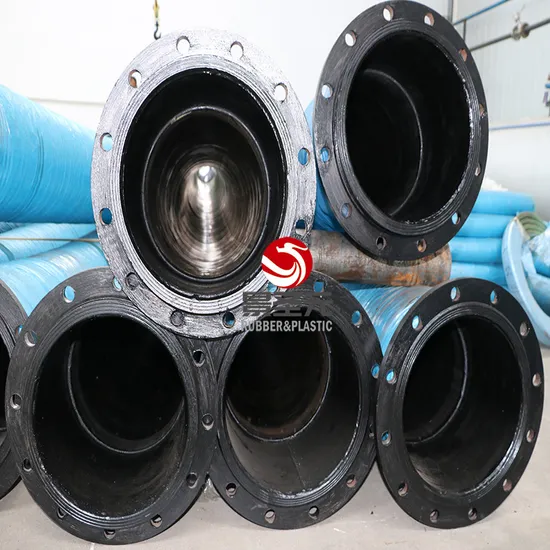
Technical Comparison of Dredging Rubber Hoses: Performance Specifications for Suction and Discharge Applications
In the demanding environment of dredging operations, the performance of rubber hoses used for suction and discharge is critical to operational efficiency, safety, and longevity. East Marine, a subsidiary of Jiangsu Huashen Special Rubber Products, engineers high-performance dredging hoses designed to meet and exceed international standards. With over 15 years of specialized experience and a 0.68 million square meter manufacturing facility, we implement advanced rubber vulcanization techniques to ensure structural integrity, abrasion resistance, and pressure reliability under harsh marine conditions.
Our proprietary vulcanization process enhances cross-linking density in the rubber matrix, resulting in superior mechanical properties, including increased tensile strength, flexibility, and resistance to fatigue. This gives East Marine hoses a distinct advantage in dynamic offshore applications where constant flexing, high pressure, and abrasive media are present.
To provide a transparent and technical comparison, the following data evaluates key performance metrics of standard dredging rubber hoses in the 200mm to 600mm inner diameter range. The comparison includes East Marine’s standard product line versus average values from key competitors in the global dredging equipment market. All values are based on ISO 1436 and DIN 2822-4 compliance, with testing conducted under controlled laboratory conditions.
The table below outlines the critical technical parameters: Inner Diameter, Working Pressure, Burst Pressure, and Minimum Bending Radius. These factors directly influence hose selection for cutter suction dredgers, trailing suction hopper dredgers, and land reclamation projects.
| Inner Diameter (mm) | Working Pressure (bar) – East Marine | Working Pressure (bar) – Competitors (Avg.) | Burst Pressure (bar) – East Marine | Burst Pressure (bar) – Competitors (Avg.) | Bending Radius (mm) – East Marine | Bending Radius (mm) – Competitors (Avg.) |
|---|---|---|---|---|---|---|
| 200 | 16 | 12 | 64 | 48 | 600 | 700 |
| 300 | 15 | 11 | 60 | 44 | 800 | 950 |
| 400 | 14 | 10 | 56 | 40 | 1,000 | 1,200 |
| 500 | 13 | 9 | 52 | 36 | 1,300 | 1,500 |
| 600 | 12 | 8 | 48 | 32 | 1,600 | 1,800 |
East Marine hoses consistently demonstrate higher working and burst pressures, indicating greater safety margins and durability. The optimized rubber compound and reinforcement layer design—combined with precise steam autoclave vulcanization—allow for reduced wall thickness without compromising strength, resulting in a tighter bending radius. This enhances maneuverability in confined dredging zones and reduces strain on vessel connections.
As a WEDA and CEDA member company, East Marine adheres to ISO9001 quality management systems, ensuring every hose undergoes rigorous pressure cycling, adhesion, and dimensional stability testing. Our commitment to engineering excellence positions East Marine as a technically superior alternative in the global dredging hose market.
Partner with East Marine
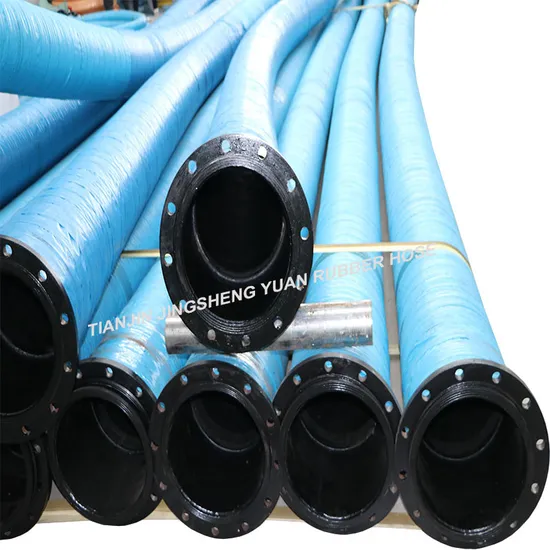
Optimizing Dredging Hose Performance Through Precision Vulcanization
The vulcanization process represents the definitive technical frontier in manufacturing dredging hoses capable of withstanding extreme operational demands. At East Marine, our proprietary vulcanization protocols—refined over 17 years of specialization in marine rubber systems—transform raw elastomer compounds into resilient, high-integrity solutions. Critical parameters such as temperature uniformity, pressure application, and cure kinetics are meticulously controlled within our ISO9001-certified production environment. This ensures molecular cross-linking achieves optimal tensile strength, abrasion resistance, and fatigue endurance, directly translating to extended service life in abrasive slurry transport, high-pressure discharge scenarios, and corrosive marine environments. For dredging operators, this technical precision eliminates premature hose failure, minimizes costly downtime, and guarantees consistent flow efficiency across millions of cubic meters of material moved.
Technical validation of our vulcanization parameters is non-negotiable for mission-critical applications. The table below outlines the core specifications governing our dredging hose production, reflecting adherence to WEDA/CEDA best practices and international marine standards.
| Parameter | Standard Range | Performance Impact | East Marine Control Tolerance |
|---|---|---|---|
| Vulcanization Temperature | 140°C – 165°C | Ensures complete cross-linking without scorching | ±1.5°C |
| Internal Pressure | 1.8 – 2.5 MPa | Eliminates porosity; achieves homogeneous density | ±0.05 MPa |
| Cure Time | 35 – 65 minutes | Balances elasticity with tear strength | ±90 seconds |
| Post-Cure Aging | 24 hours @ 70°C | Stabilizes physical properties; reduces compression set | ±2 hours |
These tightly constrained parameters are validated through in-line rheometry, post-cure tensile testing, and accelerated aging simulations—procedures integral to our 0.68 million sqm Jiangsu manufacturing facility. The outcome is a dredging hose that maintains structural integrity under 25+ bar working pressures, resists degradation from seawater and sediment abrasion exceeding 60% solids concentration, and delivers predictable performance across temperature ranges from -30°C to +85°C.
As a WEDA and CEDA member since 2007, East Marine leverages collective industry insights to continuously refine vulcanization science, ensuring our suction and discharge hoses exceed the evolving demands of modern dredging projects. Our Singapore branch provides localized engineering support for APAC operations, facilitating rapid technical consultation and project-specific validation.
For dredging contractors prioritizing operational continuity and lifecycle cost reduction, partnering with a vulcanization specialist is imperative. Contact East Marine’s engineering team to discuss how our scientifically optimized hose solutions can enhance your project’s efficiency and reliability. Initiate a technical dialogue via WhatsApp at +86-13806109365 for immediate engineering support, or email hsdredging@eastmarine.tech to request material test reports, factory audit documentation, or custom specification reviews. Let our 17 years of marine rubber expertise become the foundation of your next dredging success.
🏗️ Dredging Pipeline Project Cost Estimator
Calculate savings by sourcing directly from East Marine factory vs. local trading companies.
*Estimates only. Contact us for formal quotation.