Article Contents
Engineering Insight: Sts In Shipping
Technical Imperatives of Ship-to-Ship Transfer Systems in Modern Marine Operations
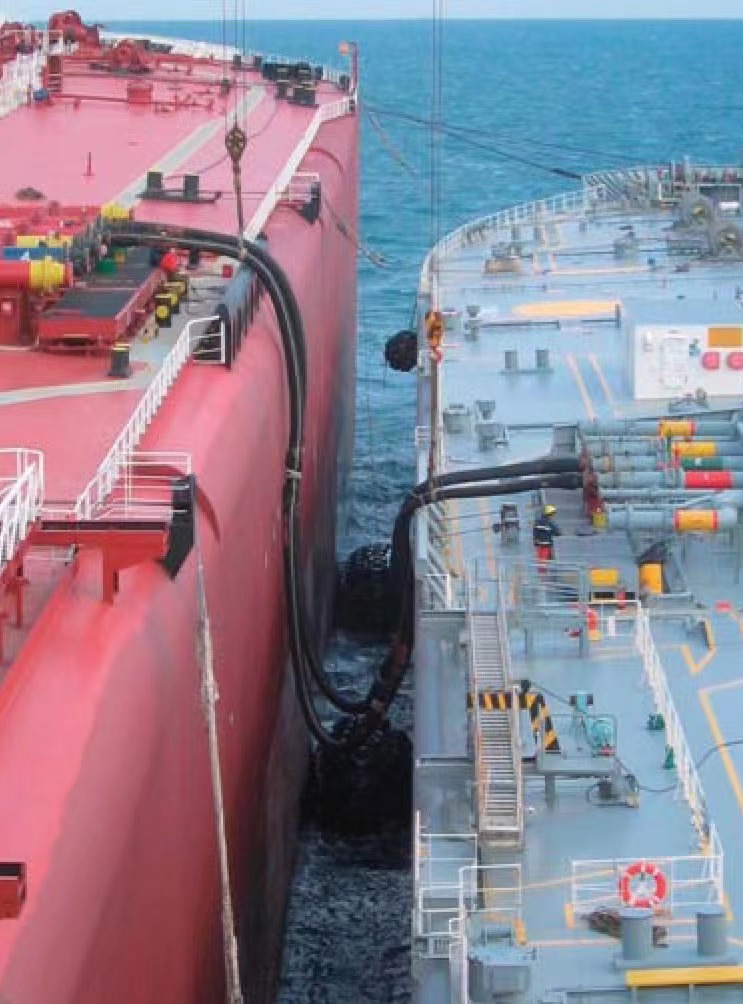
Ship-to-Ship (STS) transfer operations represent a critical yet high-risk segment of offshore logistics, demanding unparalleled engineering precision in fluid transfer systems. Conducted between vessels at sea or alongside Floating Production Storage and Offloading units (FPSOs) and Single Point Moorings (SPMs), these operations face extreme dynamic loading from wave action, vessel movement, and environmental stressors. The integrity of the marine hose assembly is paramount; failure can result in catastrophic environmental damage, operational downtime, and significant financial liability. Adherence to OCIMF (Oil Companies International Marine Forum) guidelines and GMPHOM (Guidelines for Marine Petroleum Hose Operations and Maintenance) standards is non-negotiable, mandating rigorous design validation for pressure surges, vacuum conditions, and continuous flexing under load. The hose system must maintain hydraulic integrity while accommodating complex 3D motion envelopes, requiring sophisticated material science and structural engineering to prevent kinking, fatigue, or separation.
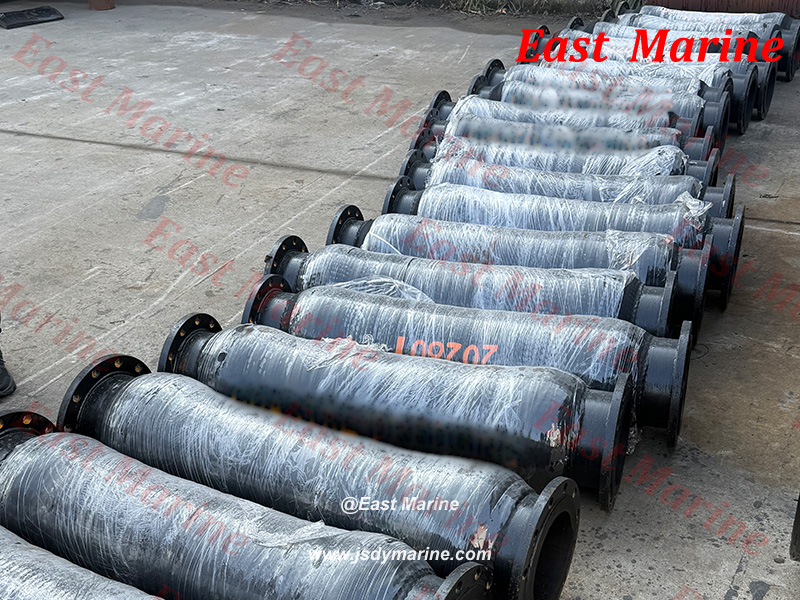
East Marine, operating from our 0.68 million square meter ISO 9001-certified facility and leveraging 15+ years of specialized expertise since 2007, delivers engineered solutions meeting these exacting demands. Our dedicated team of over 150 engineers and technical specialists focuses exclusively on the failure modes inherent in STS, FPSO offloading, and SPM applications. We integrate advanced finite element analysis (FEA) with real-world hydrodynamic data to optimize hose architecture, ensuring compliance with OCIMF Appendix 7 and API 17K specifications. Material selection is critical; our proprietary rubber compounds resist hydrocarbon permeation, ozone degradation, and abrasion while maintaining flexibility across extended temperature ranges. This engineering rigor extends to coupling systems and integrated buoyancy modules, which must withstand repeated deployment cycles without compromising the seal integrity essential for zero-emission transfers.
The operational safety and economic viability of STS operations hinge on predictable hose performance. East Marine’s solutions are validated through comprehensive prototype testing, including full-scale bend radius cycling, impulse pressure testing beyond 2x working pressure, and dynamic motion simulation replicating Beaufort Sea State 6 conditions. This commitment to empirical validation ensures our hoses minimize downtime and eliminate environmental risk during critical transfers.
Key technical parameters defining East Marine’s STS-qualified marine hoses include:
| Parameter | Specification | Compliance Standard |
|---|---|---|
| Working Pressure | 15-25 bar (custom up to 40 bar) | OCIMF Appendix 7, API 17K |
| Test Pressure | 1.5x Working Pressure for 5 minutes | ISO 13623 |
| Min. Bend Radius | 8x Nominal Diameter | GMPHOM Ch. 4 |
| Temp. Range | -30°C to +85°C (custom to +110°C) | ISO 1307 |
| Cover Material | Abrasion-resistant, ozone-stable NBR/EPDM | ISO 1307 Annex A |
| Dynamic Flex Life | >100,000 cycles at min. bend radius | In-house protocol |
| Coupling Torque | Laser-verified to API 17K tolerances | API 17K Sec. 7.4 |
East Marine’s engineering capability, backed by WEDA and CEDA membership, transforms STS transfer safety from an operational challenge into a controlled, reliable process. We partner with terminal operators and energy majors to deploy hose systems where failure is not an option, ensuring continuity in global energy supply chains through uncompromising technical execution.
Advanced Manufacturing Process
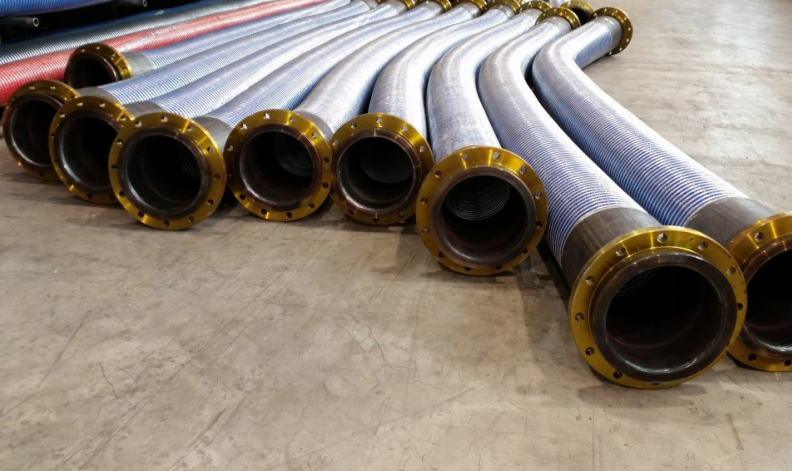
Advanced Manufacturing and Vulcanization of Offshore Marine Hoses at East Marine
At East Marine, a subsidiary of Jiangsu Huashen Special Rubber Products, the production of OCIMF and GMPHOM-compliant offshore marine hoses is executed with precision, consistency, and adherence to the highest international standards. Operating from our 0.68M sqm state-of-the-art manufacturing facility in China, we leverage 18 dedicated production lines to ensure scalable, high-volume output without compromising on quality. As a proud member of WEDA and CEDA, and certified under ISO9001, our manufacturing processes are engineered to meet the rigorous demands of offshore oil, gas, and marine transfer operations.
The core of our offshore hose production lies in the advanced vulcanization process—a critical phase that determines the hose’s structural integrity, flexibility, and resistance to extreme environmental and operational conditions. Vulcanization at East Marine involves the precise application of heat, pressure, and time to cross-link rubber polymers, enhancing elasticity, durability, and resistance to abrasion, hydrocarbons, and seawater corrosion. Our facility employs computer-controlled autoclaves and continuous vulcanization tunnels, allowing uniform curing across every layer of the hose assembly, from the inner tube to the outer protective cover.
Each hose is constructed using multi-layered reinforcement, including high-tensile textile cords and steel wire helices, all embedded within compounded rubber formulations tailored to specific fluid types and operating pressures. The vulcanization cycle is meticulously monitored through real-time data acquisition systems, ensuring that every parameter—temperature, pressure, and duration—meets predefined specifications. Deviations are automatically flagged, and non-conforming batches are isolated for corrective action.
Quality control is integrated at every stage of production. Raw materials undergo rigorous incoming inspection, and in-process checks are conducted at multiple nodes, including pre-vulcanization lay-up verification and post-cure dimensional and pressure testing. Final products are subjected to hydrostatic burst tests, vacuum resistance evaluations, and electrical continuity checks, all in accordance with OCIMF guidelines. Our ISO9001-certified quality management system ensures traceability, process validation, and continuous improvement across all 18 production lines.
East Marine’s scale and technical expertise enable us to deliver offshore hoses with consistent performance, extended service life, and full compliance with international marine safety protocols. The combination of advanced vulcanization technology, stringent quality assurance, and large-scale manufacturing capacity positions us as a trusted partner in the global marine hose supply chain.
| Parameter | Specification |
|---|---|
| Factory Size | 0.68 million sqm |
| Production Lines | 18 dedicated lines for marine hoses |
| Vulcanization Method | Autoclave and continuous tunnel curing |
| Quality Standard | ISO9001, OCIMF, GMPHOM |
| Test Pressure (Typical) | Up to 25 bar (customizable per project) |
| Zakres temperatur | -30°C to +85°C (standard compounds) |
| Electrical Continuity | < 10 ohms (per OCIMF requirements) |
| Certification Body | Third-party verified by DNV, BV, or ABS |
Critical Applications
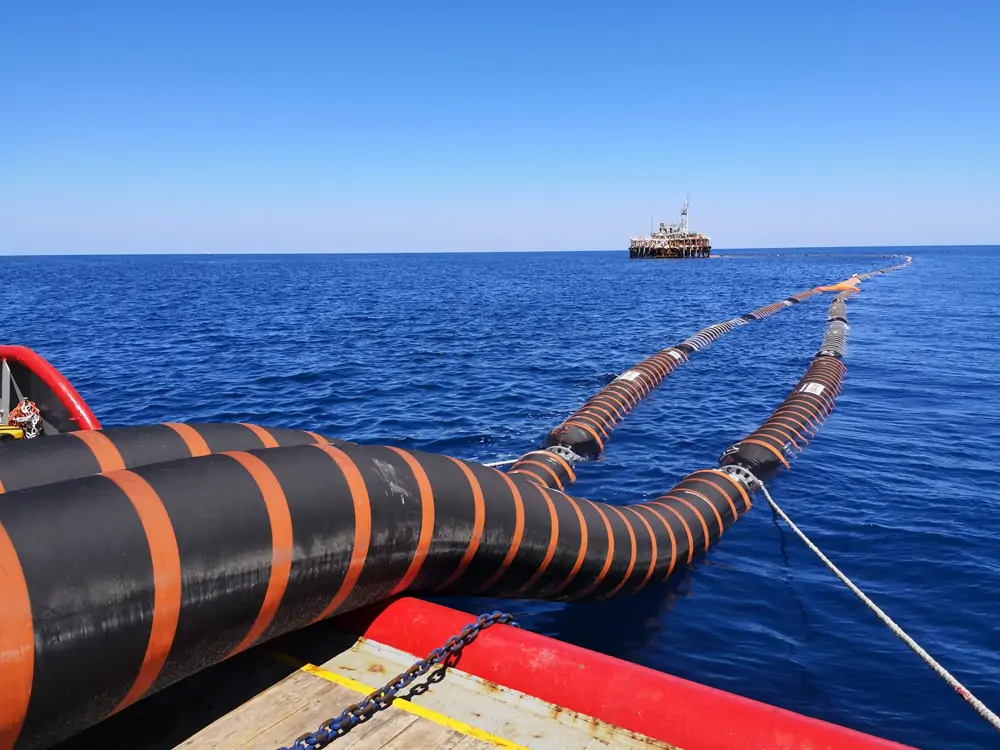
Global Project Applications of Ship-to-Ship Transfer Systems in Offshore Operations
Ship-to-Ship (STS) transfer operations represent a critical capability within the global maritime industry, enabling the safe and efficient transfer of liquids and bulk materials between vessels in locations where traditional port infrastructure is unavailable, constrained, or economically impractical. As a leading manufacturer of OCIMF and GMPHOM-compliant offshore marine hoses and dredging solutions, East Marine (Jiangsu Huashen Special Rubber Products) observes consistent demand for robust transfer systems across diverse offshore project types, driven by the need for operational flexibility and logistical efficiency in challenging environments.
In offshore dredging projects, STS operations are indispensable for hopper dredger-to-barge transfers. When working far from shore or in areas lacking suitable discharge facilities, large trailing suction hopper dredgers (TSHDs) utilize STS transfers to offload dredged material directly to support barges while at sea. This method significantly enhances project throughput by eliminating the need for lengthy return voyages to port for disposal, proving vital for deep-water channel maintenance, port expansion, and major capital dredging contracts. Our membership in CEDA (Central Dredging Association) and WEDA (Western Dredging Association) underscores our deep integration within this sector and our understanding of the stringent hose performance requirements under dynamic sea states during these transfers.
Within offshore oil and gas fields, STS lightering operations are fundamental for crude oil and refined product transfers. This is particularly crucial in regions with limited pipeline infrastructure or where Very Large Crude Carriers (VLCCs) or Ultra Large Crude Carriers (ULCCs) cannot access onshore terminals due to draft restrictions. STS enables the partial offloading of these massive vessels to smaller tankers (Aframax or Suezmax class) capable of navigating to shore, facilitating continuous production from remote fields and optimizing tanker fleet utilization. The integrity of the marine hose assembly during these high-value transfers is non-negotiable, demanding strict adherence to OCIMF guidelines for pressure, fatigue resistance, and emergency release compatibility.
Land reclamation projects, especially large-scale island development and coastal expansion, also leverage STS methodologies. Dredged material, often slurry transported via floating pipelines, may require transfer between vessels operating in the reclamation zone where direct pipeline routing to the fill area is obstructed. STS connections using specialized high-wear-resistant hoses allow for the strategic redirection of material flow, ensuring precise placement and project schedule adherence even in complex offshore disposal scenarios.
The reliability of these operations hinges on hose systems engineered for the extreme demands of open-water transfers. East Marine’s offshore marine hoses are manufactured under ISO 9001 quality management within our 680,000 sqm facility, specifically designed to meet OCIMF STS and GMPHOM specifications for safety and longevity.
The following table outlines key technical parameters for our standard OCIMF-compliant STS marine hose assemblies:
| Parameter | Typical Specification Range | Compliance Standard |
|---|---|---|
| Nominal Bore (ID) | 200 mm – 600 mm | OCIMF STS 5th Ed. |
| Maximum Working Pressure | 15 bar – 25 bar | GMPHOM Sect 4.3 |
| Zakres temperatur | -20°C to +80°C | ISO 13623 |
| Cover Material | Abrasion-Resistant Synthetic Rubber | OCIMF Sect 8.4.2 |
| Bend Radius (Min) | 6 x Nominal Bore | GMPHOM Annex A |
East Marine’s engineering expertise ensures these hose systems deliver the fatigue resistance, kink prevention, and structural integrity mandated by OCIMF guidelines, directly supporting the operational success and safety of STS activities across global dredging, energy, and land development projects. Our commitment to CEDA/WEDA best practices further validates our solutions for the most demanding offshore transfer environments.
Technical Data & Specs
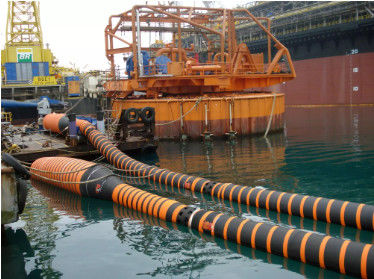
Technical Specifications of OCIMF/GMPHOM-Compliant Offshore Marine Hoses: East Marine vs. Industry Competitors
Offshore Marine Hoses used in ship-to-ship (STS) transfer operations must meet stringent international standards, primarily governed by OCIMF (Oil Companies International Marine Forum) and GMPHOM (General Marine Products Hose Operations Manual). These hoses are engineered to ensure operational safety, environmental protection, and mechanical reliability under dynamic marine conditions. East Marine, a subsidiary of Jiangsu Huashen Special Rubber Products and a trusted name in marine rubber solutions since 2007, delivers hoses that exceed these benchmarks through advanced material science and rigorous quality control under ISO9001 certification. With a 0.68 million square meter manufacturing facility and active membership in WEDA and CEDA, East Marine combines industrial scale with technical precision.
The core performance parameters for offshore marine hoses include inner diameter (ID), working pressure, burst pressure, and minimum bending radius. These factors directly influence flow efficiency, safety margins, and ease of deployment during STS operations. East Marine’s hoses are constructed using high-tensile textile reinforcement, ozone-resistant synthetic rubber compounds, and integrated anti-static components to meet the conductivity requirements of GMPHOM. This design ensures longevity and resistance to hydrocarbons, seawater, and UV exposure.
When compared to typical market competitors, East Marine demonstrates superior performance in burst pressure ratios and flexibility. A higher burst-to-working pressure ratio indicates enhanced safety margins, critical in high-risk offshore environments. Additionally, a reduced bending radius allows for tighter routing on deck and improved handling during connection procedures, reducing operational downtime.
East Marine’s quality assurance includes 100% hydrostatic testing at 1.5 times working pressure and full traceability via serialized tagging—features that align with OCIMF’s recommended practices. Competitor products, while generally compliant, often exhibit variability in burst pressure and dimensional tolerances due to less stringent in-house testing protocols.
The following table presents a comparative analysis of standard 16-inch offshore marine hoses compliant with OCIMF/GMPHOM specifications:
| Parameter | East Marine | Typical Competitor A | Typical Competitor B |
|---|---|---|---|
| Inner Diameter (ID) | 406 mm (16 inch) | 406 mm (16 inch) | 406 mm (16 inch) |
| Working Pressure | 25 bar (363 psi) | 25 bar (363 psi) | 22 bar (319 psi) |
| Burst Pressure | ≥ 100 bar (1450 psi) | 80 bar (1160 psi) | 75 bar (1088 psi) |
| Bending Radius | 1,100 mm | 1,300 mm | 1,400 mm |
East Marine’s engineering advantage is evident in its 40–50% higher burst pressure margin and up to 18% tighter bending radius. This performance edge translates into enhanced operational safety and improved deployment efficiency during critical STS transfers. As global energy logistics demand higher reliability, East Marine continues to set industry standards through innovation, compliance, and scalable manufacturing excellence.
Partner with East Marine
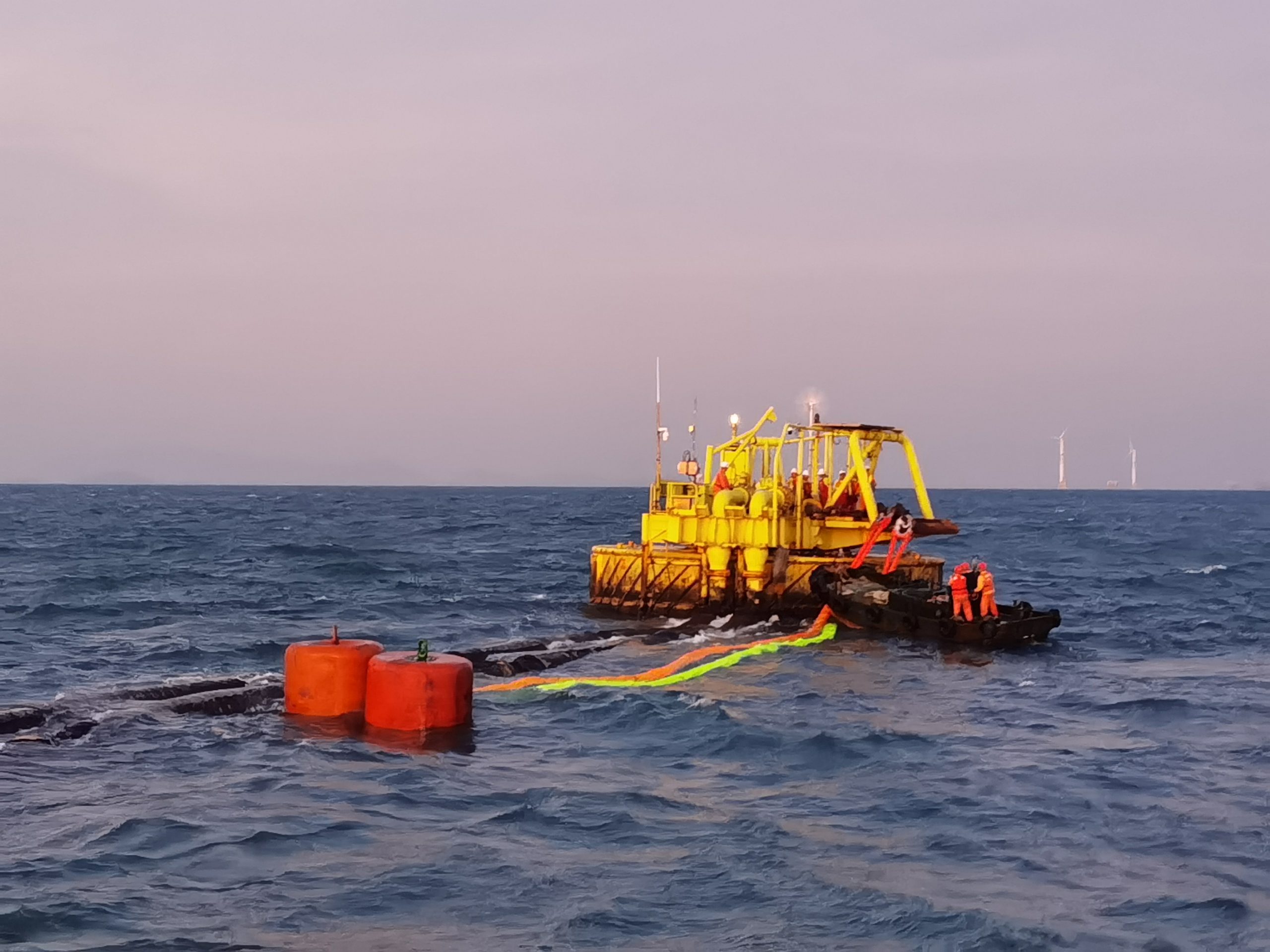
Conclusion: Engineering Reliability for Critical STS Operations
In the high-stakes domain of ship-to-ship (STS) transfer operations, the integrity of offshore marine hoses directly dictates operational safety, environmental compliance, and project continuity. East Marine, operating as a specialized subsidiary of Jiangsu Huashen Special Rubber Products, delivers engineered solutions that exceed OCIMF Appendix 2 and GMPHOM standards through rigorous material science and process control. Our 0.68 million square meter manufacturing facility—certified to ISO 9001 and backed by 17 years of marine rubber expertise since 2007—ensures every hose assembly undergoes non-destructive testing, pressure validation, and traceable documentation. As active WEDA and CEDA members, we integrate dredging industry insights into hose design, addressing dynamic challenges like wave-induced fatigue, abrasive sediment exposure, and rapid deployment cycles inherent in STS environments. This technical authority translates to reduced downtime, minimized spill risks, and adherence to ever-evolving regulatory frameworks across global jurisdictions.
For STS projects demanding uncompromising performance, our floating hose systems are engineered for immediate operational readiness. The table below summarizes critical technical parameters validated under real-world offshore conditions:
| Parameter | Specification Range | Compliance Standard |
|---|---|---|
| Nominal Diameter (DN) | 200–1200 mm | OCIMF Appendix 2 |
| Working Pressure | 10–25 bar | EN 14420-7 |
| Zakres temperatur | -20°C to +80°C | ISO 1307 |
| Cover Material | Abrasion-Resistant NBR | GMPHOM Section 4.3.2 |
| Flange Standards | API 6A / EN 1092-1 | OCIMF STS Guidelines |
These specifications reflect our commitment to engineering margins beyond baseline requirements, ensuring hoses withstand cyclic bending, vacuum collapse, and chemical exposure during prolonged STS transfers. Our Singapore branch serves as a strategic hub for Asia-Pacific operations, providing localized technical support, rapid spare part logistics, and on-site engineering assessments to maintain your operational tempo.
Initiate Your Technical Consultation Today
Do not compromise on the component that stands between your vessel and catastrophic operational failure. East Marine’s engineering team is prepared to conduct a bespoke hose system analysis for your STS project, incorporating site-specific variables such as wave height, current velocity, and fluid composition. Contact our global technical desk via WhatsApp at +86-13806109365 for immediate engineering support or email hsdredging@eastmarine.tech to request a GMPHOM-compliant technical dossier, including material test reports and FAT protocols. Our Singapore branch ensures regional response within 24 hours for urgent operational requirements. Leverage our factory-scale production capacity and dredging-industry heritage to secure transfer operations that prioritize human safety, environmental stewardship, and project economics. Partner with East Marine—where marine rubber engineering meets uncompromised operational certainty.
🏗️ Dredging Pipeline Project Cost Estimator
Calculate savings by sourcing directly from East Marine factory vs. local trading companies.
*Estimates only. Contact us for formal quotation.