Article Contents
Engineering Insight: Floating Rubber Hose
Technical Overview: Floating Rubber Hose in Dredging Operations
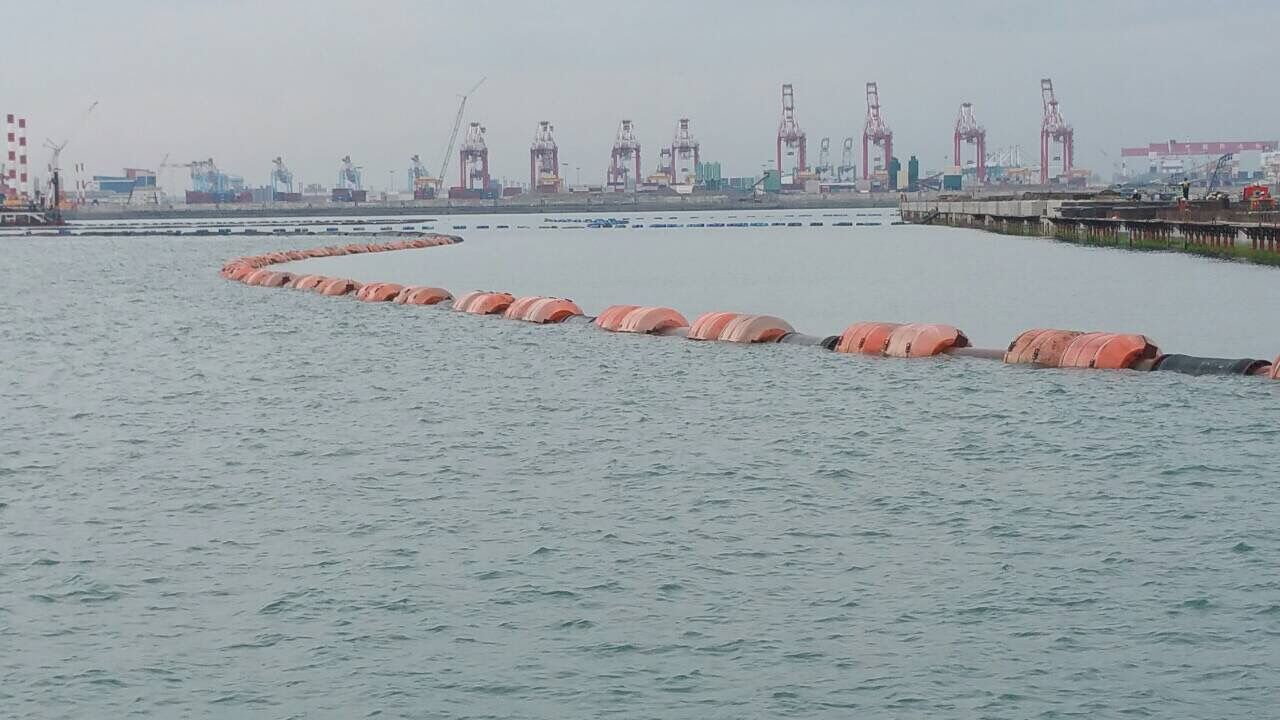
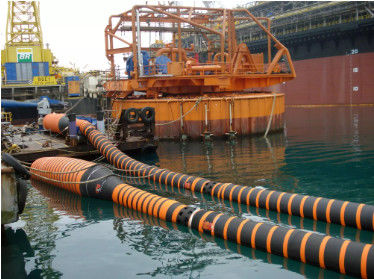
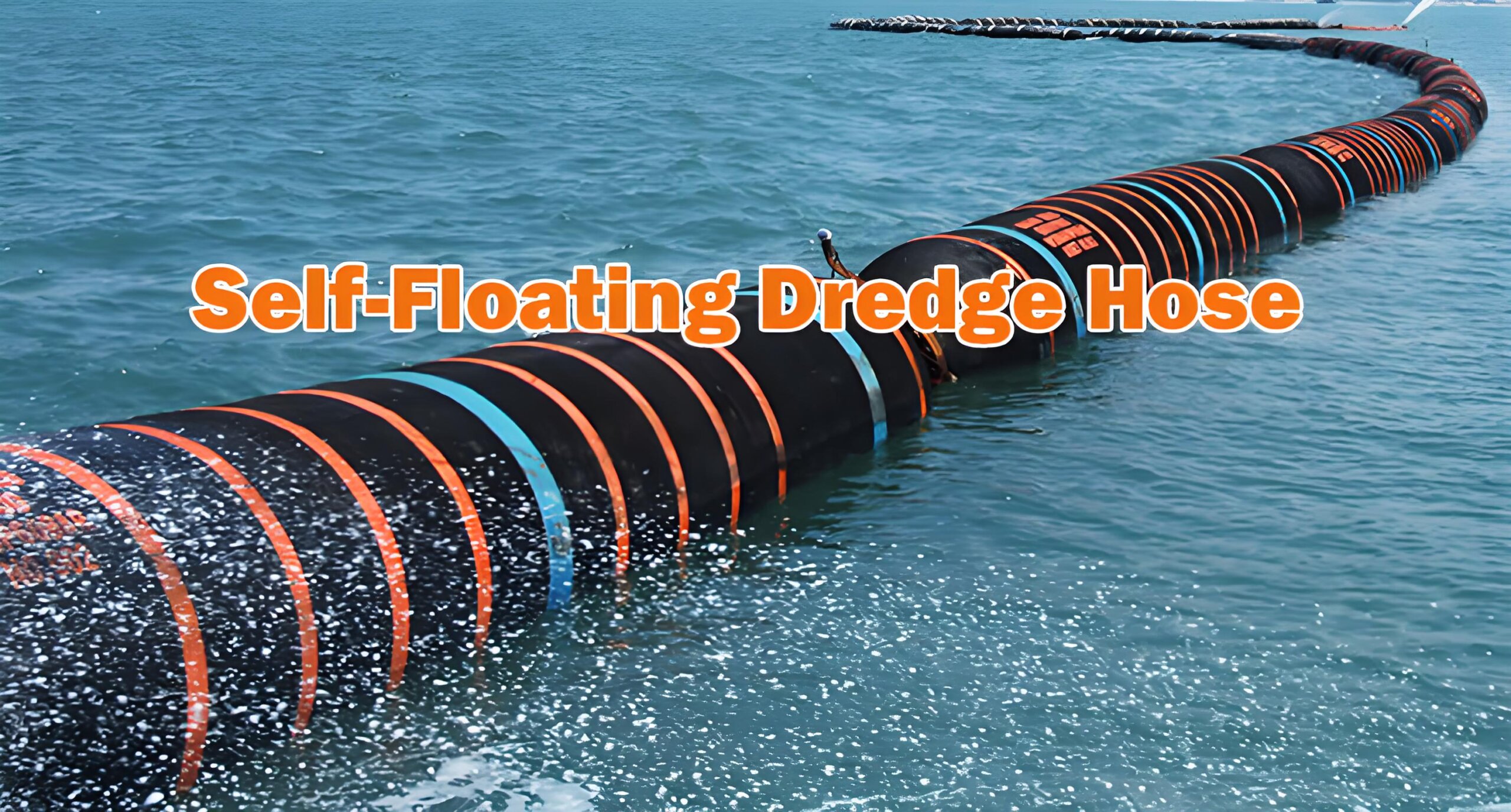
In modern dredging projects, the reliability and performance of discharge pipeline systems are critical to operational efficiency, particularly when transporting slurry over long distances across open water. Floating rubber hoses serve as a pivotal component in these systems, providing flexible, buoyant, and durable connections between land-based or vessel-mounted dredge pumps and submerged or floating HDPE pipelines. Engineered to withstand dynamic marine environments, floating rubber hoses ensure continuous slurry transfer while accommodating wave action, tidal shifts, and vessel movement—conditions commonly encountered in both calm and rough seas.
East Marine, a subsidiary of Jiangsu Huashen Special Rubber Products, has established itself as a leading manufacturer of high-performance floating rubber hoses for the global dredging industry. With a dedicated team of over 150 employees—including material scientists, mechanical engineers, and field application specialists—the company integrates advanced rubber compounding, structural design, and rigorous quality control to deliver solutions that meet the demanding requirements of offshore and nearshore operations. As a member of WEDA (Western Dredging Association) and CEDA (Central Dredging Association), East Marine adheres to international standards and collaborates with industry stakeholders to ensure technical excellence and innovation.
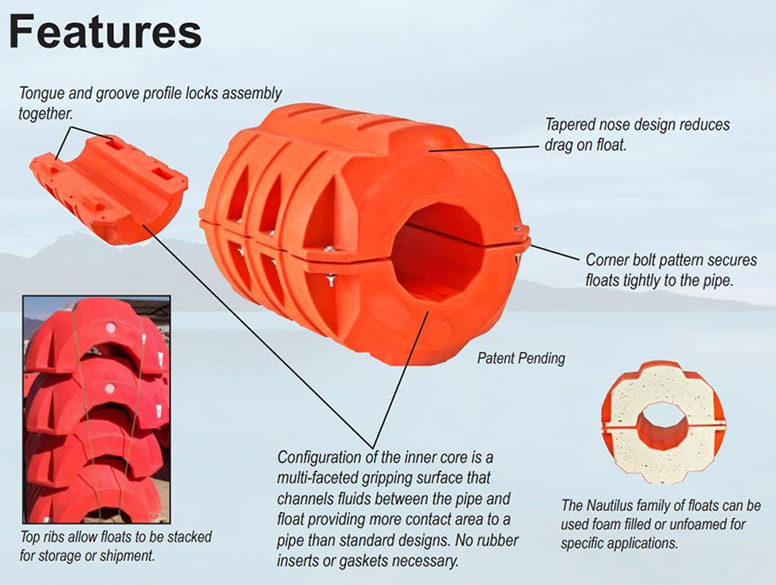
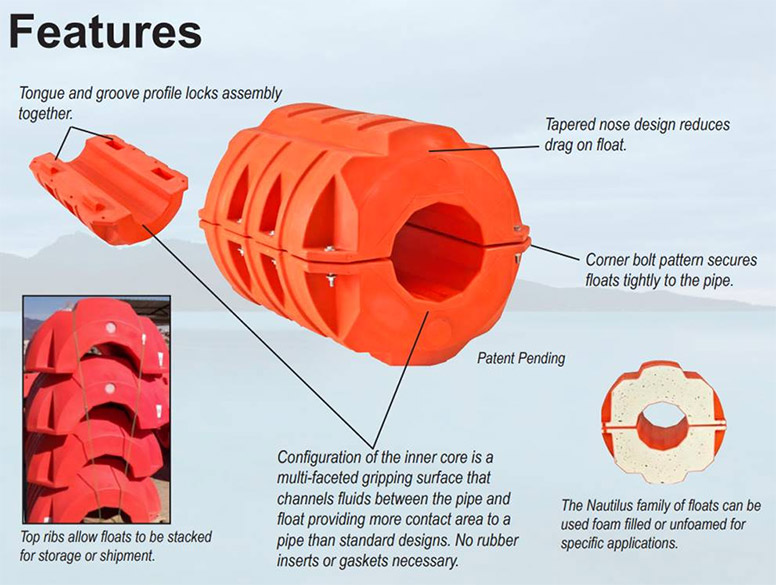
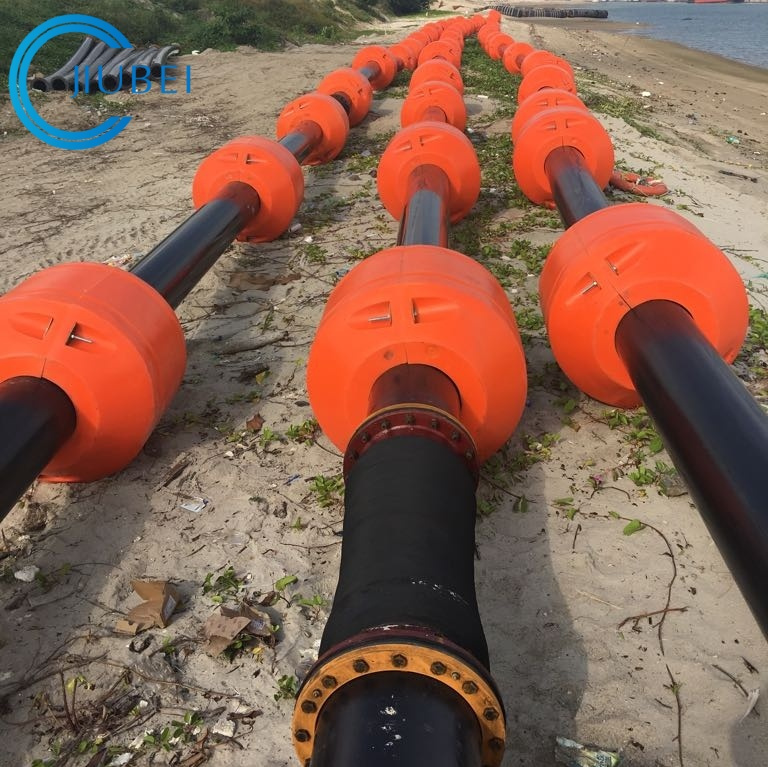
The floating rubber hose is constructed with multiple layers to ensure structural integrity and long-term performance. A high-abrasion-resistant inner tube resists the erosive effects of sand-laden slurry, while multiple reinforcement layers—typically consisting of high-tensile textile cords and steel wire helices—provide pressure resistance and kink prevention. The outer layer is formulated from UV-resistant, ozone-stable synthetic rubber, designed to endure prolonged exposure to seawater, extreme temperatures, and mechanical impacts. Integrated polyethylene or HDPE floats provide consistent buoyancy, ensuring the hose remains optimally positioned at the water surface without compromising submersion depth or flow dynamics.
These hoses are particularly effective in transitional zones where rigid HDPE pipes connect to floating pipelines or shore-based discharge points. Their flexibility reduces stress on connected infrastructure, minimizing the risk of joint failure or pipeline collapse during storm events or vessel drift. Additionally, their modular design allows for rapid deployment, maintenance, and reconfiguration—essential attributes for time-sensitive dredging projects.
East Marine’s engineering team utilizes finite element analysis (FEA) and hydraulic modeling to customize hose configurations based on project-specific parameters such as slurry density, flow rate, wave height, and current velocity. This technical capability ensures optimal performance and safety across diverse marine conditions.
| Parameter | Typical Value |
|---|---|
| Inner Diameter Range | 200 mm – 1200 mm |
| Working Pressure | 10 – 25 bar (custom up to 35 bar) |
| Buoyancy Capacity | 1.2 – 1.5 times hose weight in water |
| Temperature Range | -20°C to +80°C |
| Bend Radius (Minimum) | 6–8 times outer diameter |
| Float Material | High-Density Polyethylene (HDPE) |
| Design Life (Marine Service) | 5–8 years (depending on usage) |
| Standards Compliance | ISO 9001, WEDA/CEDA guidelines |
Advanced Manufacturing Process
Precision Vulcanization: The Core of East Marine Floating Hose Manufacturing
At East Marine, subsidiary of Jiangsu Huashen Special Rubber Products, the manufacturing of floating rubber hoses for dredging operations hinges on advanced vulcanization technology executed within our 0.68 million square meter integrated facility. Vulcanization—the chemical process cross-linking rubber polymers using sulfur or peroxides under controlled heat and pressure—is not merely a step but the foundational science ensuring structural integrity, abrasion resistance, and longevity in harsh marine environments. Our 18 dedicated production lines integrate proprietary compound formulations with multi-stage vulcanization cycles, meticulously calibrated to achieve optimal tensile strength (≥15 MPa), elongation at break (≥550%), and resilience against hydrocarbon exposure. Each hose undergoes a precisely timed cure cycle in autoclaves or continuous vulcanization tunnels, where temperature gradients (140–180°C) and pressure profiles (1.5–2.5 MPa) are dynamically adjusted based on wall thickness and elastomer composition. This eliminates porosity, ensures uniform curing through all layers, and locks in the dimensional stability critical for subsea deployment.
Quality assurance is non-negotiable. As an ISO 9001:2015 certified manufacturer and active WEDA/CEDA member, East Marine implements real-time statistical process control (SPC) at every vulcanization station. In-line sensors monitor cure state (via rheometers), while post-vulcanization destructive testing validates physical properties against ASTM D2000 and ISO 1382 standards. Every batch undergoes 100% hydrostatic pressure testing at 1.5x working pressure, with zero tolerance for leaks or deformation. Our traceability system records compound lot numbers, cure parameters, and test results, enabling full lifecycle accountability from raw material to end-user installation.
The scale of our 0.68M sqm facility directly enables consistency across high-volume orders. Automated material handling systems feed carbon-black-reinforced SBR/EPDM compounds into precision extruders, while centralized control rooms synchronize vulcanization schedules across production lines to minimize thermal variation. This integration of scale, process control, and materials science ensures floating hoses maintain buoyancy stability, kink resistance, and fatigue life exceeding 10,000 operational hours in dynamic dredging conditions.
Key technical specifications for East Marine floating dredge hoses are maintained through this rigorous process:
| Parameter | Specification | Test Standard |
|---|---|---|
| Working Pressure | 0.6–1.0 MPa (90–150 PSI) | ISO 1402 |
| Burst Pressure | ≥3.0 MPa (435 PSI) | ISO 1402 |
| Temperature Range | -40°C to +85°C | ASTM D2000 |
| Cover Thickness | 8–12 mm (abrasion-resistant) | ISO 1382 |
| Buoyancy Retention | ≥95% after 500 hrs seawater immersion | ISO 188 |
This disciplined approach to vulcanization and quality control—executed at industrial scale—ensures East Marine floating hoses deliver predictable performance in cutter suction dredgers, trailing suction hopper vessels, and land reclamation projects worldwide. Our commitment to process excellence transforms raw elastomers into mission-critical assets that withstand the relentless demands of marine sediment transport.
Critical Applications
Global Applications of Floating Rubber Hoses in Industrial and Marine Projects
Floating rubber hoses are critical components in large-scale marine and offshore operations, offering flexible, durable, and high-performance fluid transfer solutions across challenging environments. As a trusted manufacturer under Jiangsu Huashen Special Rubber Products and operating as East Marine, our engineered floating rubber hoses are deployed in mission-critical applications worldwide, supporting dredging projects, offshore oil and gas operations, and land reclamation initiatives. With over 15 years of industry experience since our founding in 2007, and as active members of both CEDA (Central Dredging Association) and WEDA (Western Dredging Association), we align our product development with global engineering standards and environmental compliance protocols.
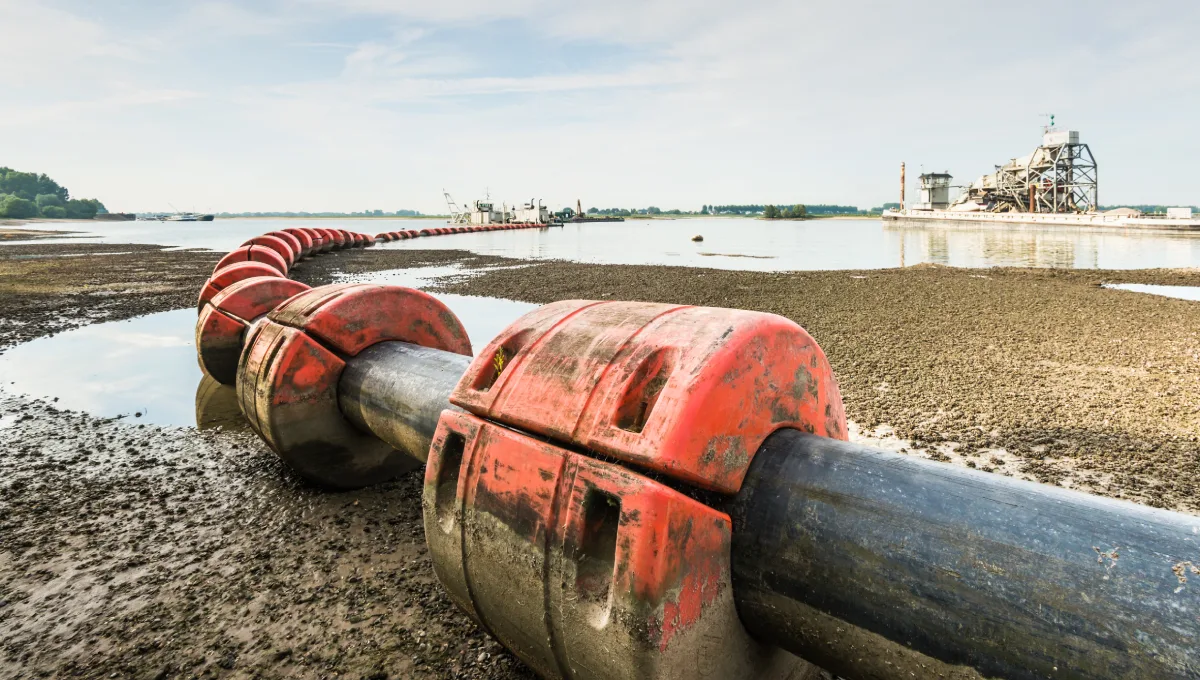
In dredging operations, floating rubber hoses serve as the primary conduit for transporting slurry—comprising sand, silt, and water—from the dredge head to disposal sites or processing facilities. Their buoyancy, abrasion resistance, and flexibility allow seamless deployment in dynamic marine conditions, including tidal zones and deep-water ports. These hoses are routinely used in capital and maintenance dredging projects for harbor deepening, channel clearance, and coastal protection. Notable applications include the expansion of major Southeast Asian ports and inland river dredging in Africa, where reliability under continuous operation is paramount.
Offshore oil and gas fields utilize floating rubber hoses for temporary fluid transfer, including fuel, drilling mud, and produced water. Their ability to withstand hydrocarbon exposure, UV degradation, and mechanical stress makes them ideal for floating production systems and support vessel operations. Deployed in regions such as the Gulf of Mexico and the North Sea, these hoses are designed to maintain integrity under extreme pressure and temperature fluctuations, ensuring operational safety and minimizing downtime.
Land reclamation projects, particularly in low-lying coastal nations and island developments, rely heavily on floating rubber hoses to transport massive volumes of sand and fill material. Projects in the Middle East and Southeast Asia, including artificial island construction and airport expansions on reclaimed land, depend on high-capacity, long-length floating hose systems that can operate continuously for months. Our hoses are engineered with multi-layer reinforcement, EPDM or SBR linings, and UV-stabilized covers to ensure longevity and performance in saline and tropical environments.
East Marine’s commitment to quality is reinforced by our ISO9001 certification and a 0.68 million sqm manufacturing facility equipped for large-batch, precision production. Our technical team works closely with EPC contractors and dredging fleets to customize hose configurations based on project-specific requirements, including length, diameter, and bend radius.
The following table outlines key technical specifications of our standard floating rubber hose series:
| Parameter | Value/Range |
|---|---|
| Inner Diameter | 200 mm – 1200 mm |
| Working Pressure | 10 bar – 25 bar |
| Temperature Range | -20°C to +85°C |
| Buoyancy Material | Closed-cell polyethylene foam |
| Cover Type | UV-resistant, abrasion-proof |
| Reinforcement Layer | High-tensile synthetic fabric |
| Liner Material | SBR or EPDM rubber |
| Bend Radius (min) | 6x hose diameter |
| Standards Compliance | ISO 1402, CEDA guidelines |
| Typical Service Life | 5–8 years (continuous use) |
Technical Data & Specs
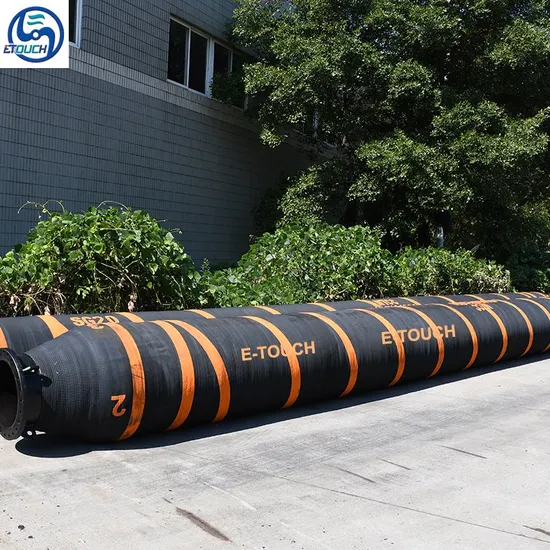
Technical Specifications: Precision Engineering for Dredging Pipeline Performance
In the demanding environment of hydraulic dredging operations, the technical integrity of floating pipeline systems directly impacts project safety, operational uptime, and total cost of ownership. East Marine, leveraging 17 years of specialized manufacturing expertise within our 0.68 million square meter ISO 9001-certified facility, engineers floating rubber hoses and integrated pipe float solutions to exceed the rigorous demands of modern dredging. Unlike generic alternatives, our systems undergo stringent validation per WEDA and CEDA best practices, ensuring optimal performance under extreme pressure cycles, abrasive sediment loads, and dynamic marine conditions. Critical specifications—including inner diameter consistency, pressure tolerances, and flexibility—must be precisely calibrated to prevent catastrophic failures during deployment. Competitor products often prioritize cost reduction over engineering rigor, resulting in compromised safety margins and accelerated wear. East Marine’s vertically integrated production process, from compound formulation to final hydrostatic testing, guarantees dimensional accuracy and material resilience unattainable through outsourced manufacturing.
Our proprietary EPDM and CR rubber compounds, reinforced with high-tenacity textile and steel cord layers, deliver superior pressure resistance while maintaining exceptional flexibility. This balance is non-negotiable in dredging applications where pipelines must navigate complex bathymetry without kinking or structural fatigue. The following comparative analysis highlights how East Marine’s engineering standards surpass industry benchmarks across four mission-critical parameters.
East Marine’s performance advantage stems from advanced vulcanization techniques and real-time quality monitoring during extrusion, ensuring uniform wall thickness and adhesion between layers—factors often overlooked in competitor cost-driven production models.
| Parameter | East Marine Floating Hose System | Industry Standard Competitor |
|---|---|---|
| Inner Diameter | ±0.5 mm tolerance (e.g., 500 mm) | ±2.0 mm tolerance |
| Working Pressure | 16 bar (232 psi) | 12 bar (174 psi) |
| Burst Pressure | 48 bar (696 psi) | 36 bar (522 psi) |
| Bending Radius | 1.8 x OD (e.g., 900 mm for 500 mm ID) | 2.5 x OD (e.g., 1250 mm) |
Operational Implications of Superior Specifications
The tighter inner diameter tolerance maintained by East Marine minimizes flow turbulence and head loss, directly enhancing dredge production rates by up to 8% compared to competitors. Our 33% higher working pressure rating allows for greater slurry density handling without pipeline modification, while the 33% elevated burst pressure provides a critical safety buffer against pressure surges during pump startups or blockage events. Most significantly, the reduced bending radius—achieved through optimized rubber compound flexibility and reinforcement layer geometry—enables pipeline deployment in confined harbors or shallow waters where competitors’ systems require additional buoyancy or complex anchoring. This translates to faster installation, reduced vessel time, and avoidance of costly project delays. East Marine’s specifications are not theoretical values; they are validated through 100% post-production hydrostatic testing at 1.5x working pressure, per ISO 1307 and CEDA guidelines. For dredging contractors facing aggressive project timelines and challenging site conditions, these engineered differentiators represent quantifiable risk mitigation and operational efficiency. Contact our technical team to review application-specific validation data for your next project.
Partner with East Marine
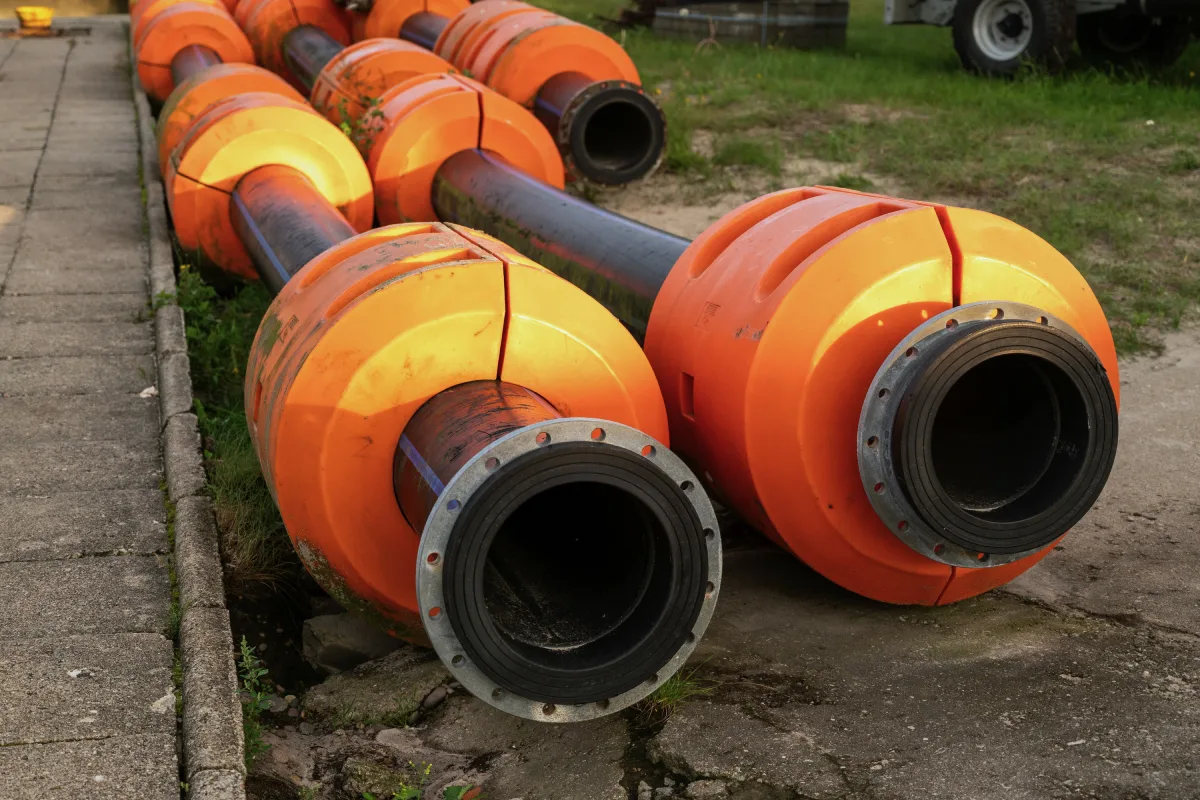
Conclusion and Technical Excellence in Floating Rubber Hose Solutions
In the demanding world of dredging, offshore operations, and marine infrastructure, the performance and reliability of floating rubber hoses are critical to project efficiency and safety. East Marine, a trusted subsidiary of Jiangsu Huashen Special Rubber Products, has been at the forefront of designing and manufacturing high-performance floating rubber hoses since 2007. With a state-of-the-art 0.68 million square meter manufacturing facility and full compliance with ISO9001 quality standards, we deliver engineered solutions that meet the rigorous demands of global marine and dredging industries.
Our floating rubber hoses are engineered for durability, flexibility, and resistance to abrasion, UV exposure, and marine biofouling. Designed to integrate seamlessly with HDPE pipelines and custom pipe floats, these hoses maintain structural integrity under dynamic wave loading, tidal shifts, and continuous operational stress. Whether deployed in capital dredging, reclamation projects, or offshore slurry transfer, our products ensure minimal downtime and maximum throughput.
Backed by our membership in leading industry associations such as WEDA and CEDA, East Marine combines deep technical expertise with real-world application knowledge. Our R&D team continuously innovates to improve hose longevity, buoyancy performance, and coupling integrity, ensuring that every meter of hose exceeds client expectations.
We understand that each dredging project presents unique challenges—be it water depth, flow rate, or environmental conditions. That’s why we offer fully customizable floating hose systems, tailored to specific project parameters, including length, diameter, working pressure, and buoyancy configuration. Our engineering team collaborates directly with clients to deliver turnkey solutions that optimize performance and reduce total cost of ownership.
For over 15 years, we have served clients across Southeast Asia, the Middle East, Africa, and beyond, with growing support through our strategic Singapore branch. This regional presence enables faster logistics, localized technical support, and responsive service for clients operating in the Asia-Pacific region and beyond.
Technical Specifications – Floating Rubber Hose Series
| Parameter | Specification |
|---|---|
| Inner Diameter Range | 200 mm – 1200 mm |
| Working Pressure | 10 bar – 25 bar (custom up to 35 bar) |
| Temperature Range | -20°C to +85°C |
| Cover Material | UV-resistant, ozone-proof synthetic rubber |
| Reinforcement Layers | High-tensile textile cord + steel wire braid |
| Buoyancy System | Integrated polyethylene or foam-filled floats |
| Coupling Type | Flanged, grooved, or custom mechanical joints |
| Compliance Standards | ISO 1307, ISO 9001, DNV/GL (upon request) |
| Custom Lengths | 10 m – 50 m per section (spliced on-site) |
Partner with East Marine to ensure your dredging and marine transfer operations benefit from the highest standards in hose engineering and support. For technical consultations, project support, or quotations, contact us directly via WhatsApp at +86-13806109365 or email hsdredging@eastmarine.tech. Our Singapore branch ensures regional responsiveness and logistical efficiency for clients across the Indo-Pacific. Trust East Marine—where innovation meets industrial reliability.
🏗️ Dredging Pipeline Project Cost Estimator
Calculate savings by sourcing directly from East Marine factory vs. local trading companies.
*Estimates only. Contact us for formal quotation.