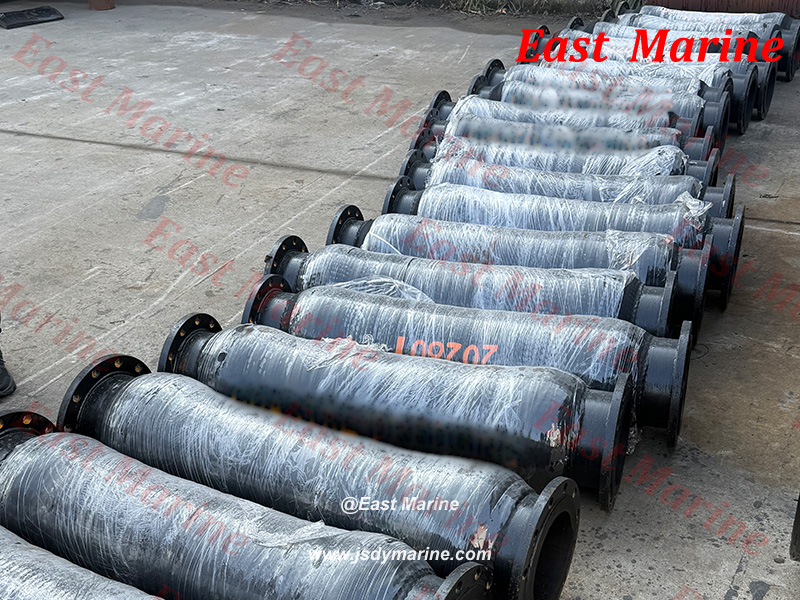
Will floating rubber hoses always stay afloat? This is one of the questions we hear most often as a supplier of floating rubber hoses. The short answer is: not under all conditions. Behind that simple question lies a fascinating balance of engineering, buoyancy, and real-world operating environments.
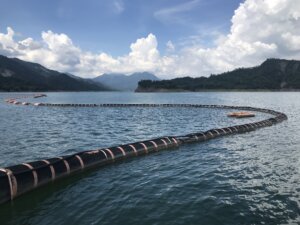
Why Do Floating Rubber Hoses Float?
First, let’s understand why floating rubber hoses can stay on the water surface in the first place.
These hoses are specially designed with materials and structural layers that provide buoyancy. A typical floating hose structure includes:
- Inner rubber lining
- Reinforcement layers (such as fabric cord layers and steel wire reinforcement)
- Buoyancy layer
- Outer rubber cover
The buoyancy layer is usually made from closed-cell foam materials that do not absorb water, such as foamed PE or polyurethane foam. This layer is the key to keeping the hose afloat.
Some hoses also use hollow structural designs to achieve flotation. This self-floating capability is especially valuable in applications like dredging operations.
Why Don’t Floating Hoses Always Stay Afloat?
In dredging projects, floating dredge hoses are used to transport slurry, sand, mud, and debris excavated from the seabed or riverbed. Because they float, they are easier to deploy, recover, and manage, greatly improving operational efficiency.
However, there are situations where even floating hoses may lose buoyancy or partially sink. Several critical factors affect their floating performance:
1. Density of the Conveyed Medium
This is the most important factor.
Whether a hose floats depends on the balance between:
- The total weight of the hose plus the material inside it
- The buoyant force generated by the displaced water
If the conveyed medium has a very high density, such as concentrated slurry or heavy mineral mixtures, the combined average density may exceed that of water. In this case, the hose can sink even if it has an excellent flotation design.
2. Integrity of the Hose Structure
The outer rubber cover protects the buoyancy layer inside.
If the hose is damaged by abrasion, impact, or tearing, water may penetrate the flotation layer or hollow chamber. Once water enters the buoyancy section, the hose can permanently lose flotation capability and eventually sink.
This is why regular inspection of the outer cover is extremely important.
3. Environmental Conditions
Harsh marine environments can place enormous stress on floating hoses.
Strong currents, heavy waves, and storms create additional hydrodynamic loads that can pull, submerge, or displace the hose system. Even when the hose has sufficient buoyancy, extreme weather conditions may temporarily force sections underwater.
4. Additional Weight from Armored Structures
In demanding applications involving coral reefs, weathered rock, or highly abrasive materials, armored self-floating hoses are often used.
These hoses contain internal steel rings or steel wire armor layers to improve wear resistance and withstand higher operating pressures. Although the armor increases the hose weight, engineers compensate by increasing the buoyancy layer volume to maintain flotation.
Still, if the transported medium becomes excessively dense, sinking risks remain.
Common Types of Floating Hoses
Today’s market mainly offers the following floating hose types:
Standard Self-Floating Dredge Rubber Hose
Designed with integrated foam flotation layers, these hoses are commonly used for conventional slurry and sand transportation.
Armored Self-Floating Hose
Built with additional steel rings or wire armor reinforcement, these hoses are specially designed for transporting highly abrasive and sharp materials such as coral fragments and weathered rock.
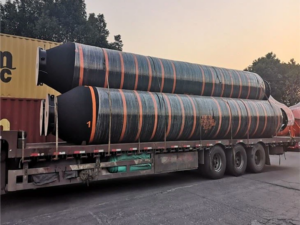
How to Keep Floating Hoses Safe and Buoyant Longer
Proper maintenance and operation are essential for maximizing hose lifespan and maintaining reliable flotation performance.
Regular Inspection
This is the most critical step.
According to industry standards, hoses should be inspected regularly for:
- Cracks
- Punctures
- Abrasion
- Localized swelling
Any damage to the outer cover should be repaired immediately to prevent water ingress.
Avoid Overloading
Always operate within the hose’s rated working pressure and recommended conveying conditions. Long-term transportation of extremely dense materials can accelerate hose fatigue and increase sinking risks.
Proper Storage
When not in use, hoses should be stored in cool, dry environments away from direct sunlight and corrosive chemicals.
Prepare for Severe Weather
Before typhoons, storms, or rough sea conditions, it is recommended to retrieve or secure the hose system and, when necessary, add auxiliary floats for additional support.
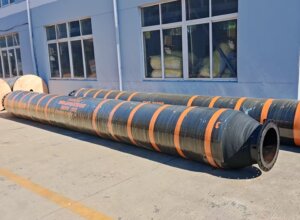
Conclusion
Floating rubber hoses are designed to float, but they are not “unsinkable.”
Their buoyancy depends on multiple factors, including conveyed material density, structural integrity, and environmental conditions. Proper hose selection, routine maintenance, and compliant operation are the keys to ensuring these “marine workhorses” continue performing safely and efficiently.
If you are looking for high-quality and reliable floating rubber hoses, whether standard dredging hoses or heavy-duty armored floating hoses, we are always ready to provide professional advice and customized solutions tailored to your project needs. Feel free to contact us anytime to discuss your requirements!